
 +382 60 099359


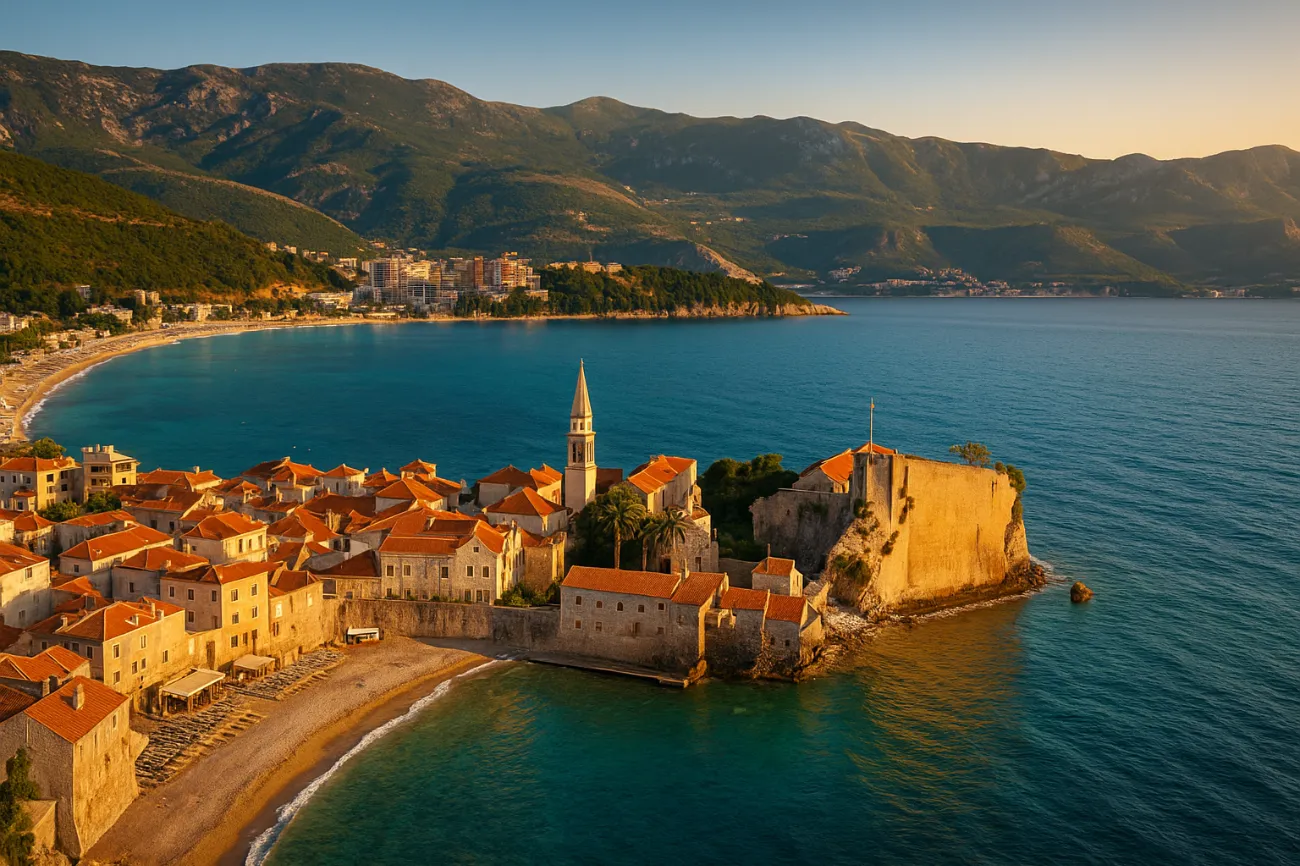

Introduction: A Full Guide to Budva — Lifestyle, Beaches, Infrastructure, and Real Estate
Budva—often called Montenegro’s unofficial “tourism capital”—is the heart of the Budva Riviera, where the Venetian ambience of the Old Town meets the energy and comfort of a modern Adriatic resort. In this brief overview, we outline the essentials: where Budva is located, what its climate is like, and why private buyers and investors continue to show such steady interest in real estate in Budva. Below is a concise preview of what you will find in the full guide.
- General information about Budva: its location on the Adriatic, climate, the Budva Riviera, and a short look at Budva’s history.
- Lifestyle and atmosphere: seasonality, what life in Budva feels like in summer and winter, the cost of living, and what to know before relocating.
- Beaches and leisure: the best beaches in Budva, the swimming season, and the local style of seaside recreation.
- Infrastructure: transportation, how to get to Budva, the closest airport, as well as healthcare and schooling options.
- Real estate and investment: property prices in 2025, rental returns, and legal considerations for foreign buyers.
- Law and taxes: registering property in Montenegro, regulations for foreign ownership, and the taxes applicable in Budva.
- Practical guidance: a buyer’s checklist, due-diligence steps, budgeting, and additional costs to keep in mind.
Budva on the Adriatic: Essential Facts About the City
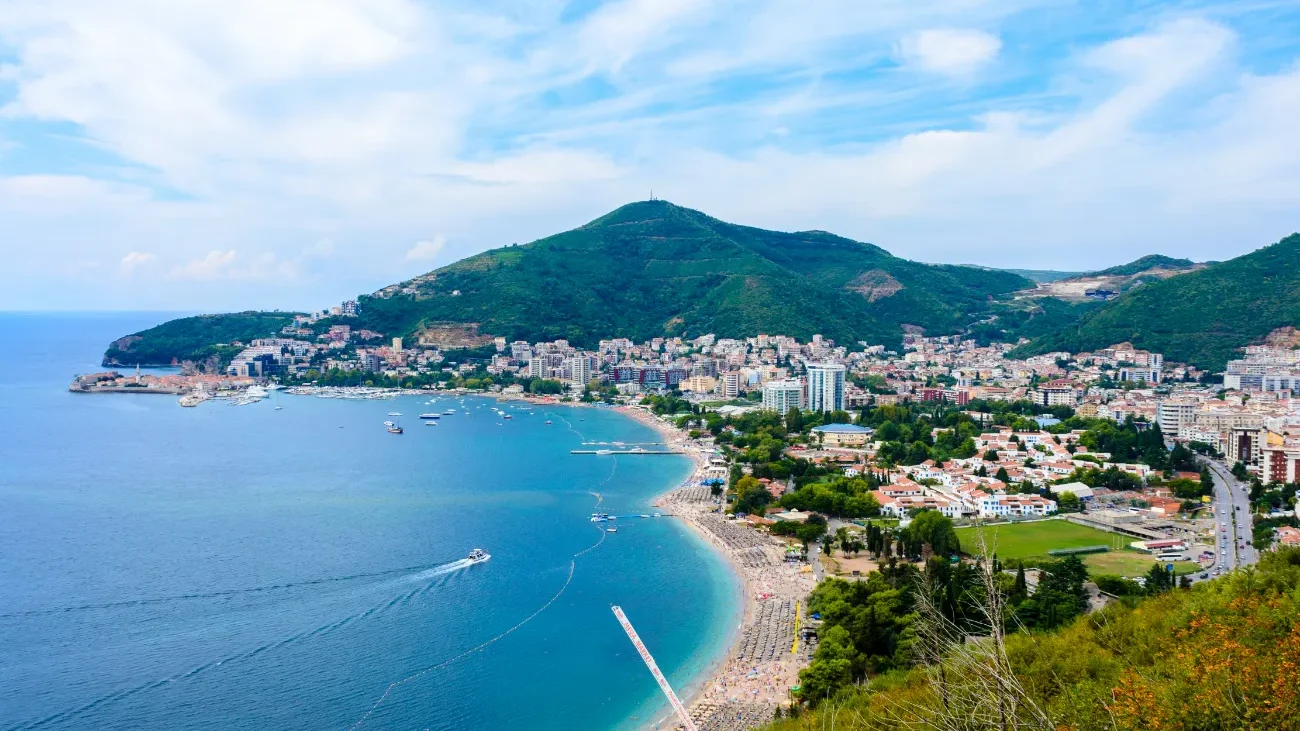
Budva, Montenegro is a vibrant Adriatic hub and the country’s unofficial “tourism capital.” It sits at the heart of the Budva Riviera, a 35-kilometer stretch of resorts where the medieval charm of the Old Town blends seamlessly with a modern waterfront, marina, and an active service economy. Below is a structured overview covering Budva’s location, climate, historical profile, and the defining role of tourism.
Location and Climate
Where Budva is located: on the central Adriatic coast of Montenegro, positioned between the Bay of Kotor and the town of Bar. The city is linked by the Adriatic Highway to the country’s major transport routes and to both international airports—Tivat and Podgorica.
| Coordinates | 42.28° N, 18.84° E (central Montenegrin coast) |
| Distances | Tivat Airport: ~20–25 km; Podgorica Airport: ~65 km; Kotor: ~23 km; Bar: ~35 km |
| Budva’s climate | Mediterranean: mild winters, warm dry summers, 250+ sunny days per year |
| Temperatures | July: +28…+31°C (sea +24…+26°C); January: +7…+9°C |
| Coastline | ~21 km of beaches and coves in Budva and surrounding areas |
Key point: Budva’s Adriatic setting offers stable coastal weather, year-round tourism activity, and convenient international access, with two airports within a 65 km radius.
Up-to-date information on entry regulations and tourism policies is published by the Government of Montenegro, while local news, urban-planning decisions, and municipal regulations are available through the Municipality of Budva.
History and Cultural Heritage
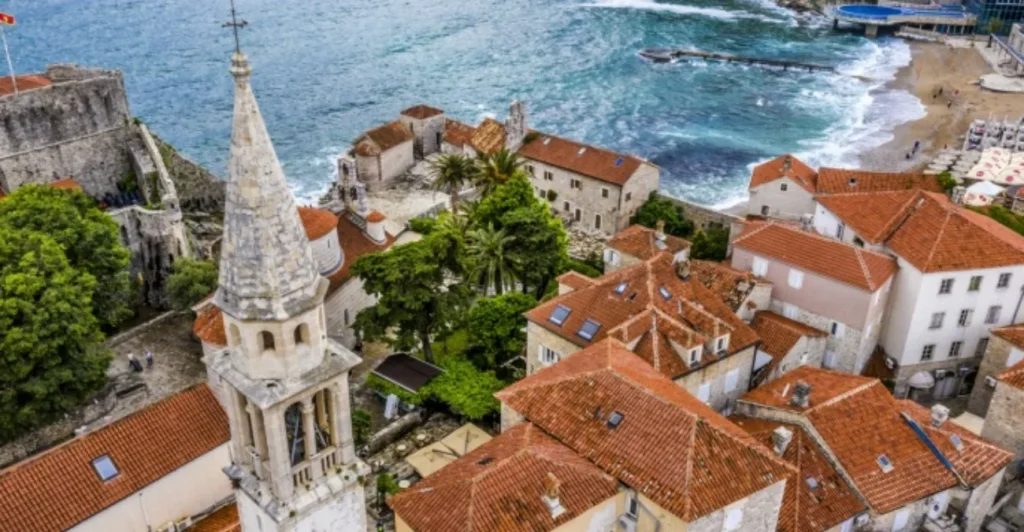
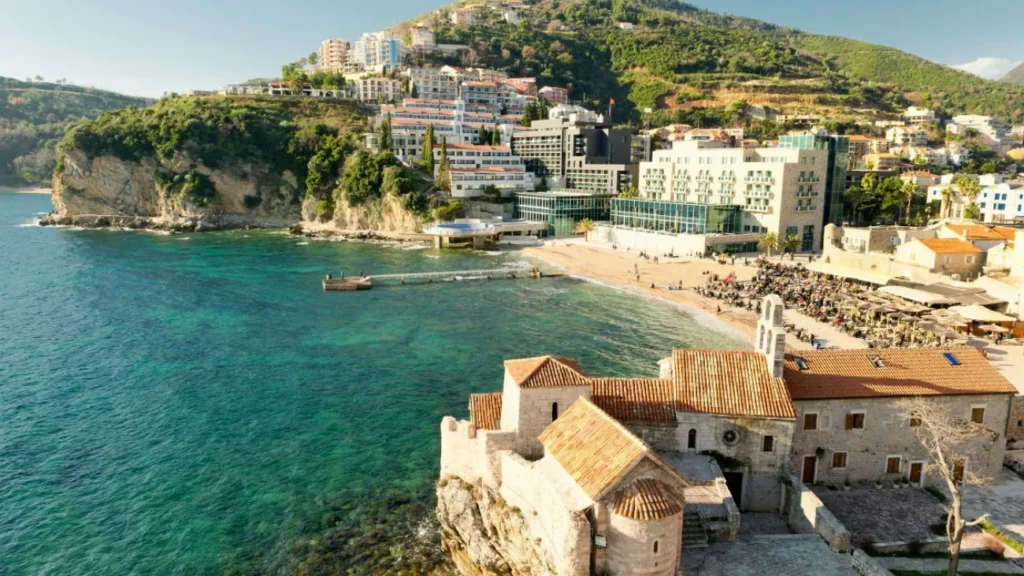
Budva’s history spans more than 2,500 years. The Old Town, surrounded by medieval fortification walls, preserves a rich blend of Venetian and Byzantine architecture—narrow lanes, intimate squares, churches, and sea-facing bastions. After the 1979 earthquake, the historic center underwent a comprehensive restoration and today serves as the emblematic landmark of the Riviera. Its proximity significantly influences property values in the surrounding walkable zones.
Important: Homes near the Old Town or on the seafront traditionally command a premium price and generate higher rental income during peak season.
Demographic and economic indicators for all Montenegrin municipalities, including Budva, are regularly reported by the Montenegro Statistical Office (MONSTAT).
Tourism and the Local Economy
Despite its relatively small population (around 17,500 residents), Budva expands many times over during the high season due to the influx of tourists and seasonal workers. The city consistently posts some of the country’s highest numbers of overnight stays by international visitors, and hospitality, dining, retail, and short-term rentals form the backbone of local economic activity.
- Peak seasonality: June–September, with an extended “velvet” season in May and October when the weather allows.
- Main tourist flows: the waterfront promenade and Slovenska Plaža, the Old Town, Mogren, Jaz, Bečići, and the Sveti Stefan/Miločer area.
- Infrastructure ecosystem: marina, pedestrian promenades, 3–5* hotels, serviced apartments, entertainment venues, and coworking spaces.
Conclusion: Budva is a mature resort economy with consistently high demand for short-term rentals and tourist services, which supports property liquidity and fuels investor interest throughout the year.
In short, Budva offers an advantageous combination: proximity to two international airports, a mild Mediterranean climate, deep historical and cultural heritage, and a well-established tourism economy. This profile makes it a logical entry point both for seaside living and for real estate investment strategies centered on short-term rentals and long-term asset preservation.
Lifestyle and Atmosphere in Budva
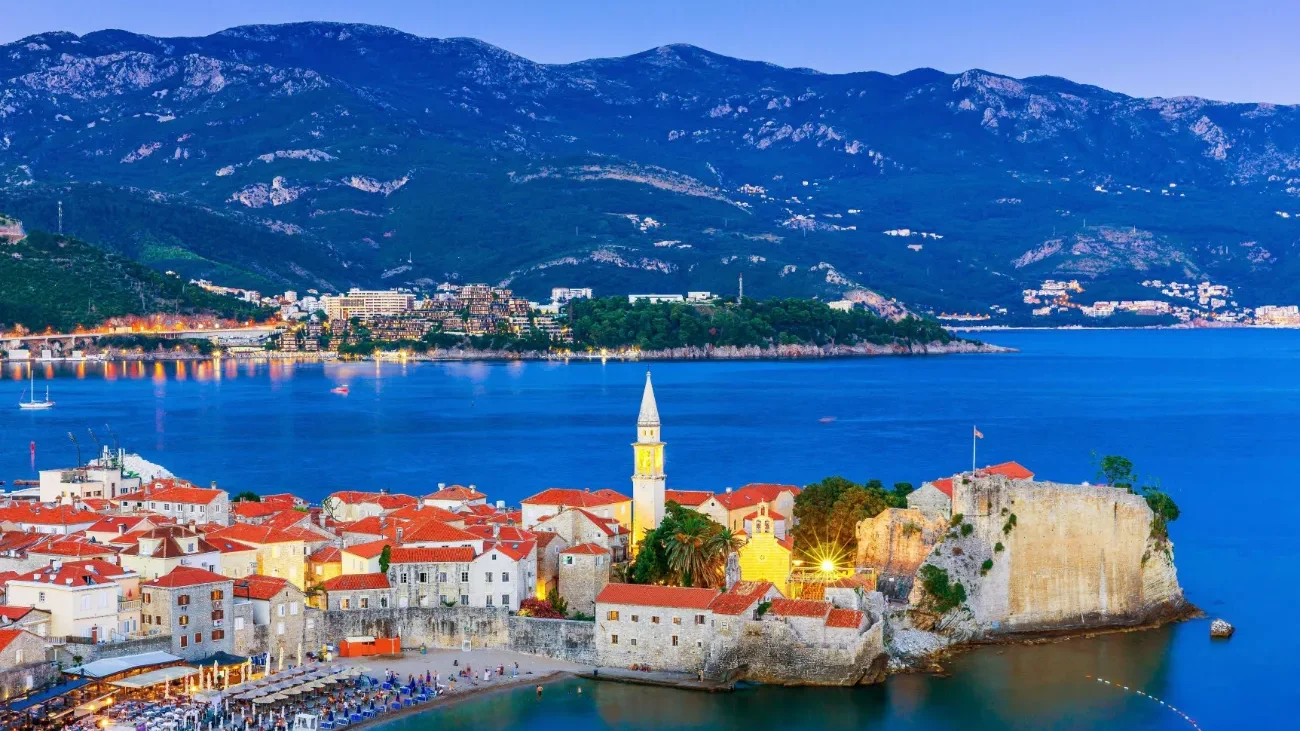
Life in Budva blends the rhythm of a seaside resort with a well-developed service ecosystem and a comfortable urban environment. For anyone considering a move to Budva, the city offers a clear and appealing model: lively promenades and events in summer, and a calm, well-balanced daily routine in winter—ideal for work, family life, and long-term living. Below is a structured look at the key dimensions of life here: everyday rhythms, culture, leisure, community, and the cost of living in Budva (price ranges shown in USD).
Budva is a mature resort destination: energetic and event-rich during the season, measured and businesslike in the off-season. This balance makes it well suited for combining a seaside lifestyle with productive work—including the model of remote work in Budva.
Daily Rhythm and Urban Environment
- During the day: the waterfront, Old Town, parks, and beach promenades form a single walkable public space with cafés, bakeries, and essential services nearby. Most daily errands can be done on foot.
- In the evening: restaurants and terraces overlooking the marina, small concerts, and seasonal market areas create a social, vibrant atmosphere. Tourist zones tend to be lively, while residential districts remain peaceful.
- In winter: the pace slows down. Some venues close for the season, but core services, gyms, and supermarkets operate reliably. For administrative matters and city updates, refer to the Municipality of Budva.
Key note: “Budva in winter” means fewer tourists, more parking, quiet seaside promenades ideal for morning runs, and significantly lower rental prices.
Culture and Events
Budva is not only about beaches—it also maintains an active cultural calendar. The Old Town hosts open-air theater productions, city celebrations, summer festivals, and intimate exhibitions. Municipal cultural programs and announcements are published by the Municipality of Budva.
Demographic and economic data for the municipality are available through the Montenegro Statistical Office (MONSTAT).
Conclusion: although the cultural and business calendar peaks in summer, core cultural venues and programs maintain activity throughout the year.
Entertainment and Nightlife
- In summer: a cluster of bars and clubs forms along the waterfront, open-air stages operate nightly, and the Old Town becomes the center of gastronomy and outdoor events.
- Noise distribution: the main noise load is concentrated in tourist areas and along the beachfront; hillside residential neighborhoods remain comfortable even during peak months.
Community, Languages, and Integration
- Expats in Montenegro: Budva has a notably international community—entrepreneurs and professionals from across Europe and the CIS. English and Russian are widely understood in the service sector.
- Residence rules: current requirements for temporary residence, address registration, documentation, and processing times are published by the Montenegrin Ministry of Internal Affairs.
Practical tip: if you plan to stay long-term, prepare your residence permit documents in advance. Processing times often fluctuate with school and university holiday periods.
Cost of Living in Budva (Price Guide for 2025, USD)
The figures below represent averages; actual prices vary by season, location, and service level.
| Expense Category | Approx. Cost (USD) |
| 1-bedroom rental, city center (June–September) | ~1,200–2,500/month or ~90–180/night |
| 1-bedroom rental, off-season | ~550–800/month |
| Utilities (50–60 m² apartment) | ~70–120/month (higher in winter due to heating) |
| Fiber-optic internet (100–300 Mbps) | ~20–30/month |
| Mobile plan + data (SIM) | ~8–12/month |
| Coworking desk | ~12–20/day or ~120–180/month |
| Lunch at a café/bistro | ~10–15 |
| Dinner at a restaurant (per person) | ~18–35 |
| Coffee (espresso/cappuccino) | ~2–3 |
| Taxi: Tivat Airport → Budva | ~25–40 (varies by vehicle class and season) |
| Gym / fitness membership | ~30–45/month |
| Grocery basket (2 people) | ~300–450/month |
Safety and Seasonality
- Safety: Budva is a calm and generally safe city, with low levels of street crime; standard precautions apply in tourist areas during peak season.
- Seasonality: June–September are peak tourist months; May and October offer a “velvet” shoulder season; November–March brings the lowest rental prices and the most relaxed pace.
Pros and Cons of Living in Budva
- Pros: mild climate and seaside environment; strong gastronomy and services; walkable infrastructure; proximity to nature; wide choice of rental options; easy balance between office work and remote work.
- Cons: pronounced price and crowd seasonality; limited parking during the peak months; noise in tourist zones in summer; narrow, historic street grid in the Old Town.
Bottom line: for anyone weighing the “pros and cons of living in Budva,” the city offers a clear profile: a vibrant resort in summer and a quiet coastal town in winter. When planning a move or long-term rental, rely on official resources such as the Municipality of Budva, MONSTAT, and the Ministry of Internal Affairs of Montenegro.
Beaches and Coastal Recreation in Budva
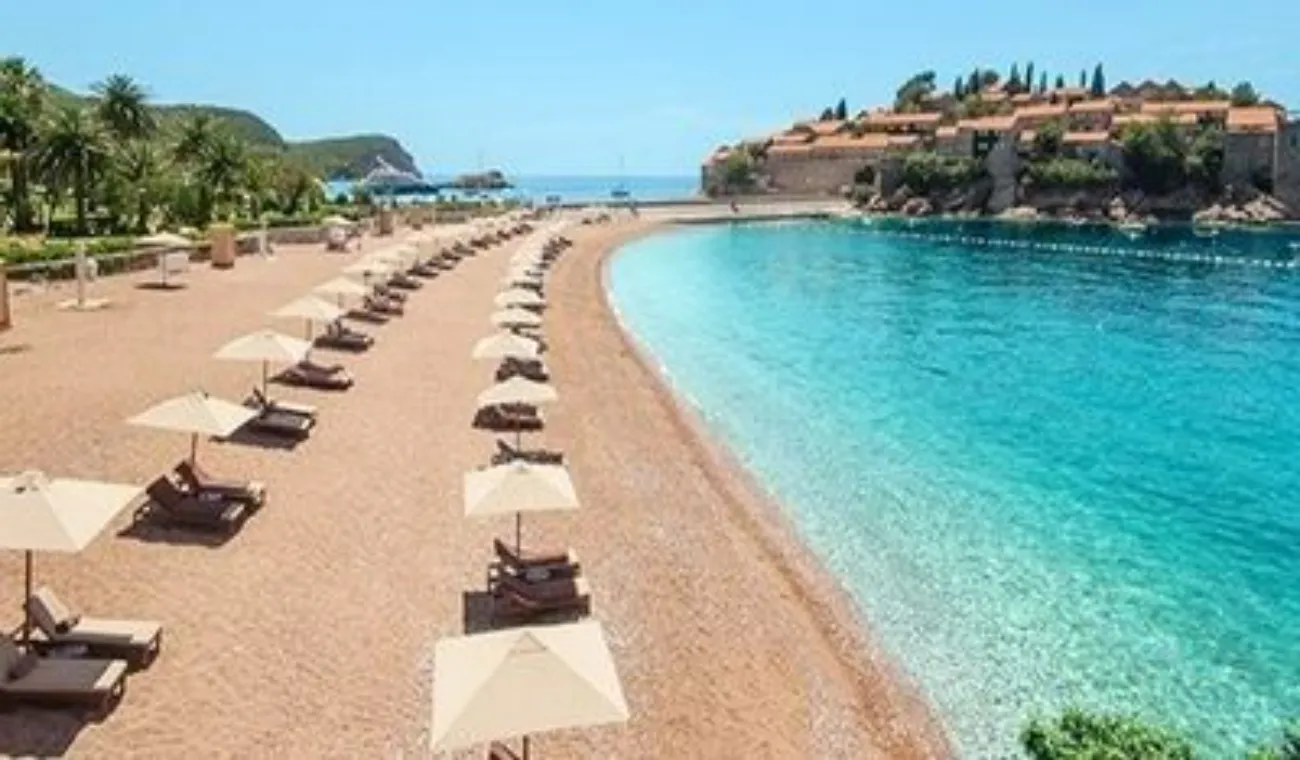
Budva’s beaches are the signature asset of the Budva Riviera: within the municipal area there are roughly 21 kilometers of coastline and more than 30 organized swimming zones—from bustling urban promenades to secluded coves. The style of recreation varies widely: family-friendly areas with gentle entry into the sea, livelier youth-oriented sections with music and amenities, and “premium” beachfront segments near Sveti Stefan and Miločer.
Essential: the Budva swimming season generally runs from May to October, with July–August as the peak. Water-quality updates and weather forecasts are published by the Montenegrin Hydrometeorological Service. During the season, lifeguard services and a standard beach-flag safety system operate on all major beaches.
Best Beaches in Budva
- Slovenska Plaža — the main city beach (≈1.6 km), lined with a promenade, cafés, sports zones, and rental stands. Well suited for families and long seaside walks. Sunbed + umbrella: ~$12–22/day.
- Mogren I & II — two coves nestled against rocky cliffs, accessed via a scenic footpath from the Old Town. Known for dramatic views and limited space. Sunbed + umbrella: ~$15–25/day.
- Richard’s Head and Pizana — compact city beaches at the foot of the Old Town walls; prized for their central location. Sunbed + umbrella: ~$15–28/day.
- Jaz — a long, wide beach 4–5 km west of the center; ideal for active recreation and surfing on windy days. Parking is more abundant than in town. Sunbed + umbrella: ~$10–18/day.
- Bečići — a spacious semi-sandy/micro-pebble beach east of Budva; home to large hotels and SPA resorts, with a smooth, gradual entry into the water. Sunbed + umbrella: ~$12–22/day.
- Sveti Stefan & Miločer — the Riviera’s premium cluster: photogenic coves, manicured promenades, and landscaped gardens. Access to the island is restricted, but public beach areas remain open. Premium rows: ~$30–70/day.
Navigation: current maps of public beaches, rules for waterfront use, and parking regulations are published by the Municipality of Budva.
Quick Comparison of Key Beaches
| Beach | Surface | Profile | Best for | Price Guide, $ |
| Slovenska Plaža | Pebble / sand mix | Central, promenade, sports | Families, walks | ~12–22/day |
| Mogren I–II | Sand / fine pebble | Scenic coves | Couples, photo spots | ~15–25/day |
| Richard’s Head, Pizana | Pebble | At Old Town walls | Urban beachgoers | ~15–28/day |
| Jaz | Pebble / sand | Long, spacious | Active leisure | ~10–18/day |
| Bečići | Semi-sandy | Hotels, smooth entry | Families | ~12–22/day |
| Sveti Stefan / Miločer | Sand / pebble | Premium zones | Tranquil relaxation | ~30–70/day |
Swimming Season and Weather
- Season: May–October; peak sunshine and warmest water occur from July to September.
- Water temperature: typically ~+21…+26°C in summer; forecasts and storm warnings are available from the Hydrometeorological Service.
- Safety: lifeguard stations operate on primary beaches during peak season; always follow the flag system (red = no swimming, yellow = caution, green = allowed).
Important: official notices about waterfront events, temporary closures, and seasonal maintenance are published via the Municipality of Budva; national regulations and seasonal guidelines appear on the Government of Montenegro portal.
Beach Infrastructure and Services (Price Guide, $)
- Sunbeds and umbrellas: municipal beaches — ~$10–18/day; premium front-row sets — ~$20–35/day; high-end zones — up to ~$70/day.
- Parking: near central beaches — ~$2–4/hour; all-day rates at peripheral lots — ~$8–15.
- Showers / changing cabins / lockers: showers — ~$1; locker — ~$3–5/day.
- Food & drinks: water (0.5 L) — ~$1–2; coffee — ~$2–3; salads/snacks — ~$6–12; lunch per person — ~$12–20.
Active Recreation on the Coast
- SUP & kayaking: ~$10–18/hour; sunset tours — ~$25–40 per person.
- Jet-ski rental: ~$50–70 for 15 minutes (varies by location and season).
- Diving: introductory dive — ~$70–120; certification courses available through Budva’s marina dive centers.
- Boat trips: group tours — ~$10–20/person (1–2 hours); private boat — ~$60–120/hour.
Tip: book activities and sunbeds in advance during peak season (July–August). Always monitor forecasts and storm warnings via the official meteorological service.
Practical Recommendations
- Water shoes: useful on pebble beaches, especially for children.
- Shade & sun protection: bring tents/umbrellas for sparsely shaded beaches; use SPF 30–50.
- Peak hours: 11:00–16:00 — highest crowds and highest prices; mornings and late afternoons are more comfortable.
- Transportation: access to Slovenska Plaža and Mogren gets congested in high season—plan to walk from parking zones or choose alternatives like Jaz or Bečići.
- Official rules: all information on beach maintenance, city improvement projects, and temporary restrictions is published on the municipality portal; national regulations appear on the Government of Montenegro portal.
City Infrastructure: Transport and Urban Amenities
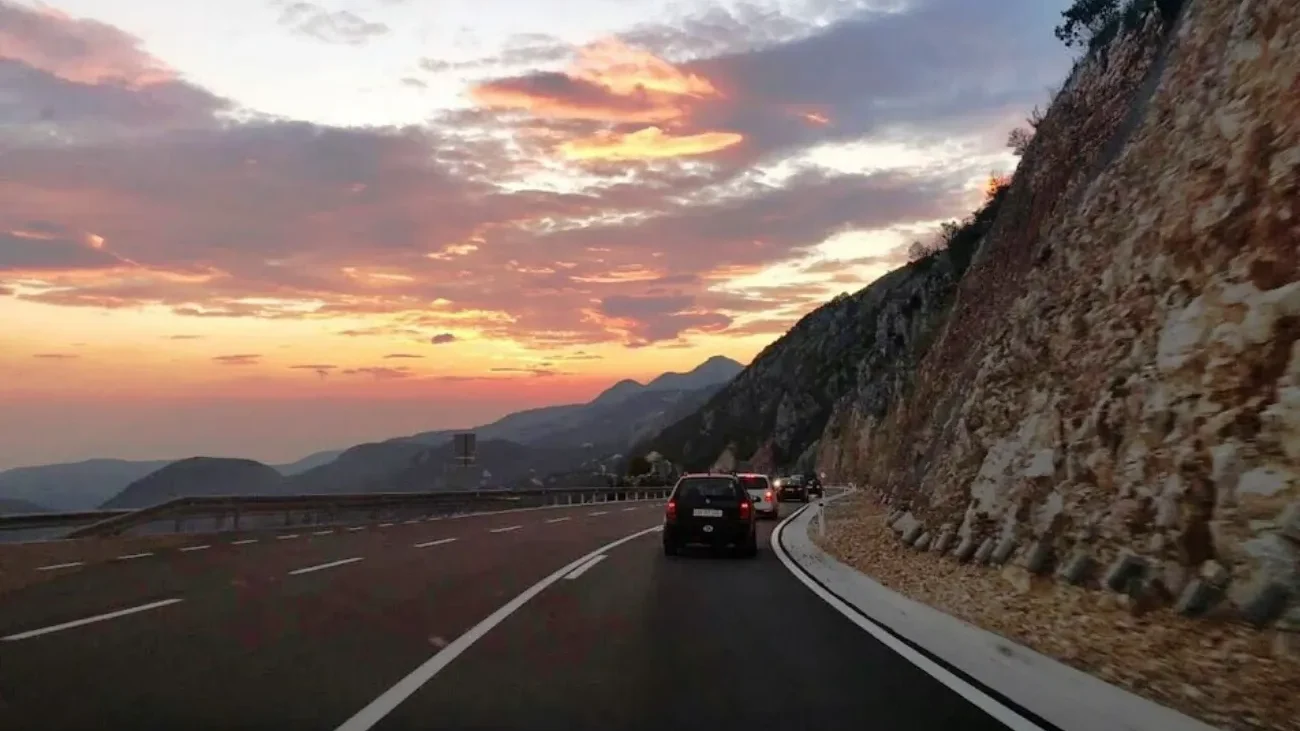
Budva’s infrastructure brings together a convenient coastal transport network, an expanding utility and digital backbone, and a full range of social services—from healthcare and education to sports and public administration. Below is a concise overview of how to get to Budva, how local transport and parking work, what medical and educational facilities are available, where to connect to the internet, and the average cost of essential services (prices shown in USD).
Key point: Budva is connected to the Tivat and Podgorica airports, served by intercity buses and local taxis/transfers, and continues to upgrade its roads, drainage systems, and public spaces under the direction of the Municipality of Budva. National transport projects are overseen by the Montenegrin Ministry of Capital Investments.
Transport Accessibility: Getting to Budva
- Airports near Budva: Tivat (≈20–25 km, 30–40 minutes along the Adriatic Highway); Podgorica (≈65 km, 60–80 minutes via Cetinje). Taxi/transfer from Tivat: ~$25–45; from Podgorica: ~$70–100 (vehicle class, season).
- Roads: Budva lies on the coastal corridor connecting Bar–Budva–Kotor. Strategic projects and transport regulations are published by the Ministry of Capital Investments.
- Intercity buses: regular routes operate to Tivat, Kotor, Bar, and Podgorica. Examples: Budva → Kotor — ~$4–6; Budva → Podgorica — ~$10–14; baggage — ~$1–2.
Public Transport and Taxis
- Local routes: minibuses run along the Riviera (Budva–Bečići–Rafailovići–Sveti Stefan). A short ride costs ~$2–3.
- Taxis: ~$4–8 for trips within the center/waterfront area; waiting time and night tariffs are added by meter. Transfers to Jaz or Petrovac: ~$10–25.
- Car/scooter rental: cars — ~$35–70/day depending on season; scooters — ~$20–35/day. Parking conditions are outlined below.
- Parking zones: municipal lots and street parking cost ~$1–2/hour; full-day rates at peripheral lots run ~$8–15. Maps and regulations are available on the Municipality of Budva website.
- Seasonal restrictions: in July–August, temporary closures may occur near the waterfront and the Old Town due to events; watch for municipal announcements.
- Navigation: major roads and junctions are signposted in Montenegrin/Serbian and English; the Old Town is largely pedestrian with restricted vehicle access.
Distance and Travel-Time Overview
| Route | Distance | By car | By bus | Approx. cost, $ |
| Budva → Tivat Airport | ≈20–25 km | 30–40 min | 40–60 min (with wait/connection) | Taxi 25–45; bus 4–6 |
| Budva → Kotor | ≈23 km | 35–50 min | 40–70 min | Bus 4–6 |
| Budva → Podgorica (airport) | ≈65 km | 60–80 min | 80–110 min | Taxi 70–100; bus 10–14 |
| Budva → Bar | ≈35 km | 45–60 min | 60–90 min | Bus 5–8 |
Important: during peak season, allow extra time for traffic near Slovenska Plaža and the junctions leading toward Mogren/Jaz. Municipal notices about roadworks and closures are posted on budva.me.
Utilities and Digital Infrastructure
- Electricity, water, heating: core utilities are stable; in the off-season, properties with good insulation and inverter air-conditioning reduce heating costs.
- Internet (FTTH/fiber): 100–300 Mbps plans — ~$20–30/month; router — ~$30–60 upfront. Coworking spaces suitable for remote work start at ~$120–180/month for a dedicated desk.
- Mobile service: prepaid data packages of 15–30 GB — ~$8–12/month; 4G coverage is reliable along the entire coast.
- Utility bills: a 50–60 m² apartment averages ~$70–120/month (higher in winter due to heating). Condominium management fees: ~$0.2–0.5/m² per month.
Social Services: Healthcare and Education
- Healthcare: the city has a public clinic and several private medical centers; hospital-level care is provided in Kotor or Podgorica. National healthcare standards and service organization are detailed on the Ministry of Health portal.
- Emergency services: ambulance — 124; police — 122; fire service — 123.
- Education: municipal kindergartens and schools operate year-round; international programs (English-language instruction) are available in nearby Tivat. Private kindergarten: ~$150–300/month; extracurriculars/sports: ~$25–50 per session.
Resident tip: address registration and access to public services are handled through municipal offices and relevant ministries via budva.me and the central portal gov.me.
Urban Environment and Safety
- Promenades and public spaces: upgraded waterfront areas, cycling paths, playgrounds, and sports zones are all within easy reach.
- Cleanliness and maintenance: intensified cleaning schedules operate in the season; in the off-season, routine maintenance and repairs are carried out.
- Safety: Budva has low levels of street crime; in tourist zones during summer, standard precautions apply (personal belongings, parking in secure lots).
Financial Planning Guide (Approximate Costs, USD)
- Flight + transfer: Tivat → Budva taxi ~$25–45; Podgorica → Budva ~$70–100.
- Local mobility: city/suburban bus ~$2–3; taxi within town ~$4–8.
- Parking: ~$1–2/hour in the center; ~$8–15/day in peripheral areas.
- Communication & internet: mobile ~$8–12/month; fiber 100–300 Mbps ~$20–30/month.
Bottom line: Budva’s infrastructure supports comfortable year-round living and a high volume of tourist activity. Proximity to airports, upgraded roads, and a stable digital environment benefit both everyday life and the business operations of property owners.
Real Estate Market in Budva: Price Overview and Key Trends
The Budva real estate market continues to show steady growth, driven by scarce coastal land, consistently strong tourism flows, and ongoing upgrades to the city’s infrastructure. For investors and homebuyers planning to purchase an apartment in Budva, the primary benchmarks remain price per square meter, rental yield, seasonality, and location quality. Below is a structured overview of Budva property prices , along with current trends and practical price indicators (in USD).
Budva is one of Montenegro’s most liquid real estate markets: central and coastal locations show stable, sustained demand supported by strong short-term rental activity and limited land availability within the city.
Market Dynamics and Demand Drivers
- Demand: driven by tourists, expats, and domestic buyers seeking a “second home” by the sea. Demographic and tourism indicators by municipality are published by the Montenegro Statistical Office (MONSTAT).
- Supply: constrained by terrain and urban planning limits; new development continues to shift toward the hillsides and neighboring resorts along the Budva Riviera.
- Infrastructure: upgrades to roads, drainage systems, and the waterfront—managed by the Municipality of Budva—are increasing the appeal of year-round living and seasonal rentals.
- Regulation and macro environment: fiscal policy and government measures are published through the Ministry of Finance of Montenegro.
Property Prices in Budva (Approximate, USD)
Rough ranges are provided for orientation; actual prices vary according to view, proximity to the sea, finish quality, building status, and availability of parking.
| Segment | Location | $ per m² | Purchase Budget, $ | Notes |
| Studios / 1-bedroom units | Center, 700–1,200 m from the sea | 2,100–3,200 | 120,000–220,000 | A highly liquid segment for short-term rentals |
| 1–2 bedrooms with sea view | Babin Do, Center-Hill, Slovenska | 2,800–4,200 | 180,000–420,000 | Premium driven by panoramic views and walkable access |
| Business-class new builds | Promenade / first–second line | 3,300–5,200 | 250,000–650,000+ | Modern complexes with underground parking and services |
| Penthouses | Center / view-rich hillsides | 4,800–8,500 | 500,000–1,500,000+ | Rare inventory; limited market supply |
| Villas / townhouses | Budva hillsides, Bečići, Sveti Stefan | 3,000–7,500 (build cost) | 700,000–3,000,000+ | Price depends on plot, view, and sea access |
Important: first-line properties and direct sea views typically add 10–30% to the price; limited parking availability in the center also influences final asset value.
Rental Market and Yield Benchmarks
- Short-term (June–September): 1-bedroom in the center — ~$90–180/night; 2-bedroom with a view — ~$160–300/night.
- Long-term (off-season): 1-bedroom — ~$550–800/month; 2-bedroom — ~$800–1,300/month.
- Operating expenses: utilities ~ $70–120/month for 50–60 m²; management and cleaning fees typically 15–25% of gross short-term rental income.
Rental yield in Budva: with strong seasonal occupancy and partial “shoulder-season” rentals, gross yields on city apartments often reach 5–7% annually before taxes; premium assets can perform higher with professional management.
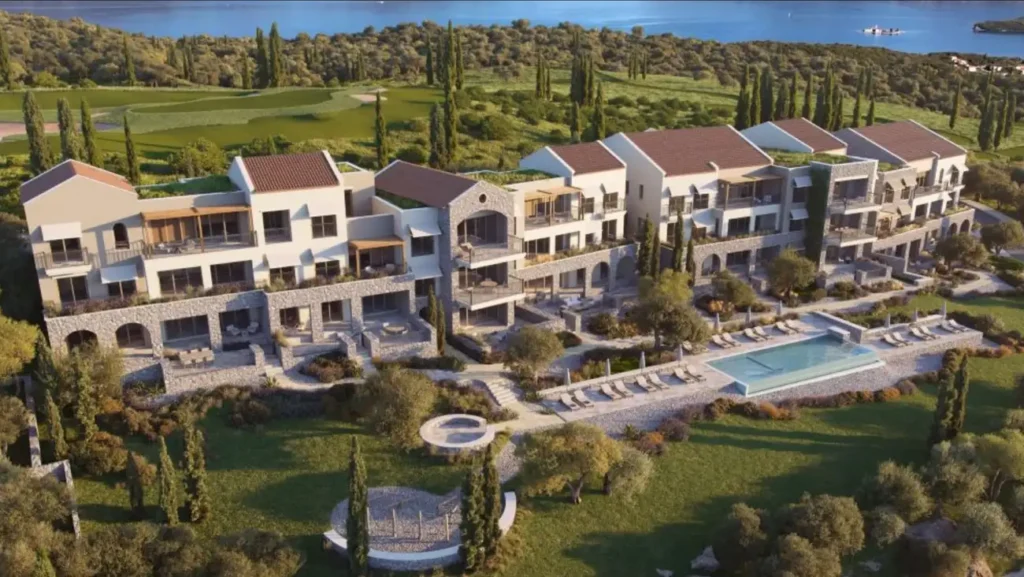
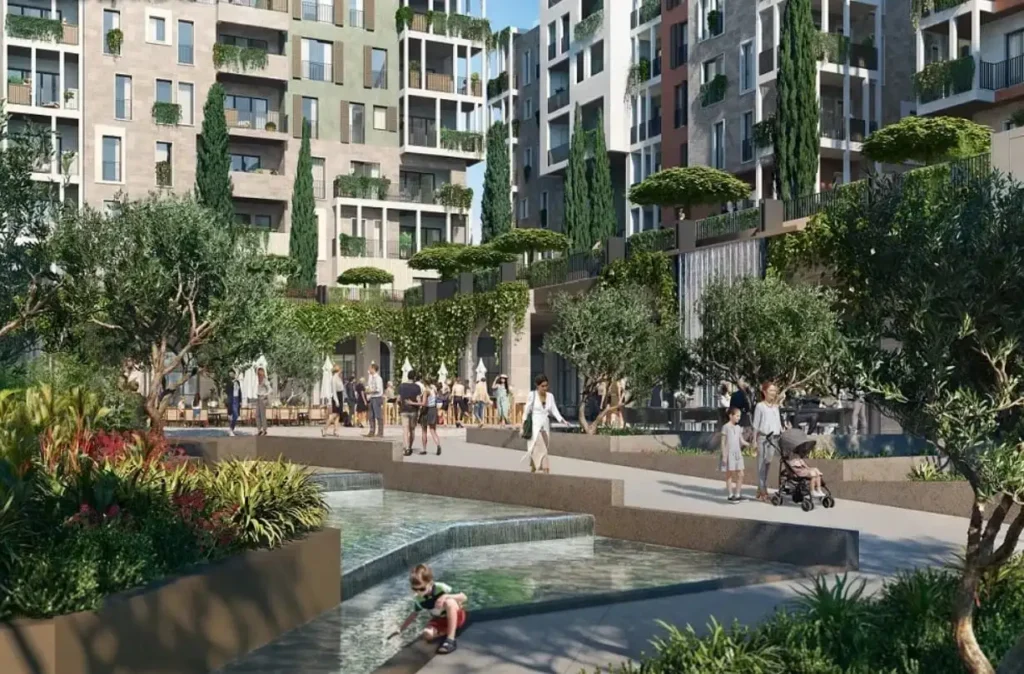
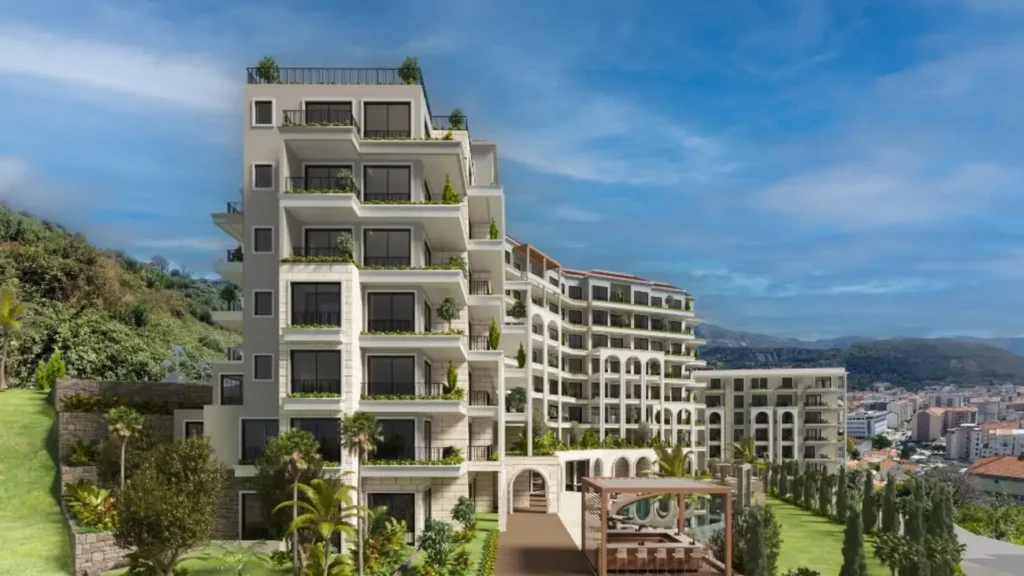
Residential complexes in Montenegro
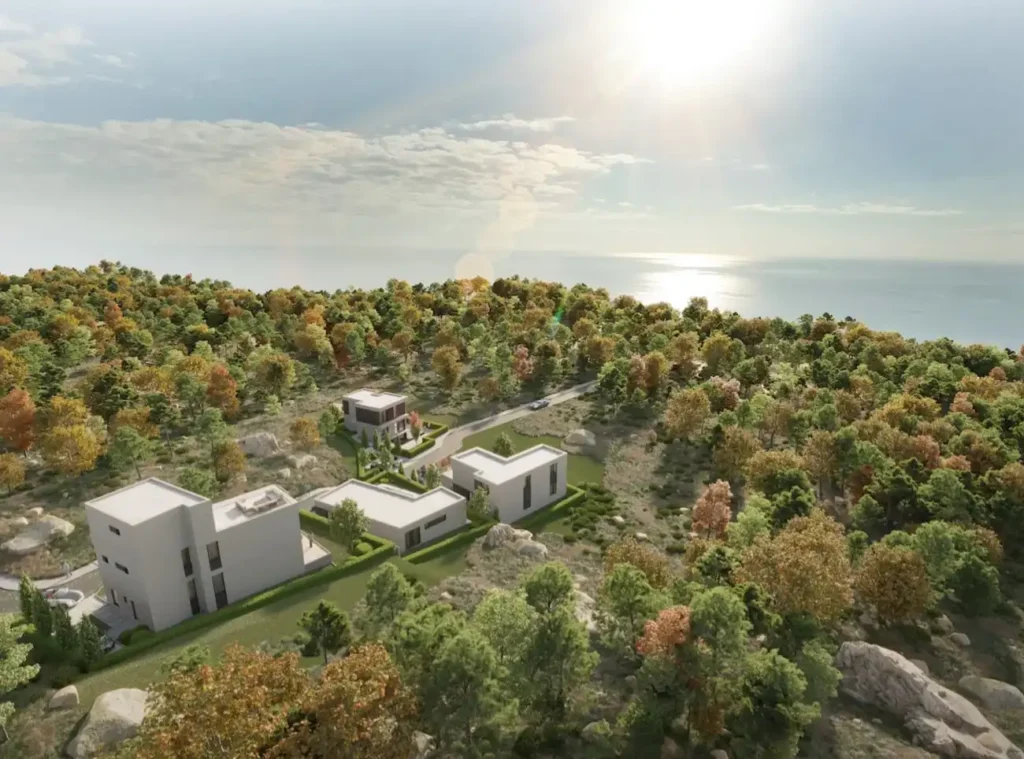

 Budva
Budva от 128м²
Demand by District and Property Type
- Center, Slovenska Plaža, Old Town: highest short-term rental liquidity; parking shortages; high competition among listings.
- Babin Do and the hillsides: view apartments within walking distance of the center; popular among expats and long-term tenants.
- Bečići — Rafailovići: family-oriented area with a wide beach; strong appeal for seasonal rentals.
- Sveti Stefan — Miločer: premium niche with limited, prestigious inventory; focused on capital appreciation and high-end rentals.
Trends and Risk Factors
- Stabilization at a high level: after rapid growth in 2021–2023, prices have consolidated; moderate positive dynamics are expected in coastal zones.
- Infrastructure projects: road, drainage, and waterfront upgrades overseen by the Municipality of Budva continue to support the city’s attractiveness.
- Regulation and taxes: updates to fiscal policy and fees appear on the Ministry of Finance portal—important for monitoring transaction costs and rental regulations.
- Construction costs: price volatility for materials and labor; construction statistics are available via MONSTAT.
For investors: when selecting a strategy (“short-term rental” vs. “long-term rental/personal use”), the decisive factors are location, view, parking availability, and the building’s service infrastructure (reception, security, engineering quality).
Transaction Cost Benchmarks (Approximate, USD)
- Purchase budget: studios from ~$120,000; 1–2 bedrooms in central or sea-view locations ~$180,000–450,000; penthouses ~$500,000–1,500,000+; villas ~$700,000–3,000,000+.
- Ancillary costs: notarization, registration, and certified translations typically total ~1–2% of the purchase price; tax and fiscal rules are detailed on the Ministry of Finance website.
- Financing: mortgage products for non-residents are available on a limited basis; current conditions must be confirmed directly with local banks.
Real estate in Budva remains one of the strongest positions within the broader category of real estate investment in Montenegro: transparent rental operation, predictable demand drivers, and limited high-quality coastal inventory create a solid foundation for capital preservation and long-term value growth.
Legal Aspects of Purchasing Property as a Foreign Buyer
Property purchases by foreign nationals in Montenegro are governed by civil and land laws and must be executed through a notarized sales contract with mandatory registration in the national cadastre. The framework for private international buyers is notably favorable: apartments, houses, commercial spaces, and urban (zoned) land plots are all available for direct acquisition. Restrictions apply primarily to agricultural and forest land outside urban zones, which must typically be purchased through a locally registered company. Below is a structured overview of the purchase process, key requirements, and approximate costs in USD, with references to official sources.
Essential: foreign buyers may acquire and register ownership of urban real estate under the same conditions as Montenegrin citizens. Every transaction must be notarized and submitted to the cadastre via the state system at gov.me.
What Foreigners Can Buy
| Asset Type | Availability for Foreign Individuals | Notes |
| Apartments | Yes | Standard sale contract and cadastre registration |
| Houses / Townhouses | Yes | Land must be within an urbanized (zoned) area |
| Commercial premises | Yes | Possible subsequent registration of a rental or operating business |
| Urbanized land plots | Yes | Subject to local planning regulations |
| Agricultural / forest land outside urban zones | Restricted | Typically purchased via a local legal entity |
Important: always check the zoning category and permitted development conditions in advance through the Municipality of Budva and relevant sections of gov.me.
Transaction Procedure: Steps and Timeframes
- Legal due diligence. Review of the cadastre extract (title sheet), verification of ownership, boundaries, and encumbrances (mortgages, liens, easements). Legal support: ~$1,200–1,500 for full representation (contract drafting, checks, settlement assistance).
- Reservation. A deposit agreed by the parties (typically ~$2,000–5,000 for apartments) and execution of a preliminary contract.
- Notarization. The final contract is executed in Montenegrin, with a sworn court interpreter present for the foreign buyer. Notary fees: ~0.1–0.3% of the sales price, generally ~$300–800 for properties in the $100,000–300,000 range. Translation services: ~$100–250.
- Payment. Usually a bank transfer in euros; a notarial escrow may be used until registration is finalized. International SWIFT transfers may incur ~0.2–0.6% in bank fees.
- Registration of ownership. The notary submits the contract to the cadastre; processing typically takes ~3–10 business days depending on workload.
Transaction assurance: the notary verifies the legal capacity of all parties, validates the title, certifies the contract, and submits the documentation to the cadastre. Official guidelines and procedures are available on the Government of Montenegro portal.
Taxes and Mandatory Fees
- Property transfer tax (resale market): generally 3% of the contractual or assessed value, payable by the buyer within the prescribed deadline. Fiscal policies are published by the Ministry of Finance.
- VAT on new developments: 21%, already included in the developer’s purchase price; the 3% transfer tax does not apply.
- Cadastre and administrative fees: ~$50–150 for ownership registration and issuance of extracts.
- Annual property tax: set by the municipality, typically ranging from 0.1–1% of the assessed value. For planning purposes, ~0.25–0.6% is a realistic average.
Example (apartment priced at $200,000, resale market): transfer tax 3% = $6,000; notary and translation fees ~$500–900; cadastre fees ~$80–120; total estimated one-time costs ~$6,600–7,000 (+ bank fees for international transfers).
Residence Permit (Temporary Stay) Based on Property Ownership
Owners of residential real estate are eligible to apply for a temporary residence permit, typically issued for one year and renewable annually as long as the grounds for residency remain valid. Requirements, documentation, and processing times are outlined by the Montenegrin Ministry of Internal Affairs.
- Basic documentation: passport, proof of ownership (cadastre extract), insurance, proof of income/funds, and local registration documents.
- Processing times: applications usually take several weeks; peak periods may extend timelines. Early submission is recommended.
- Family members: eligible for residence permits through family reunification, subject to meeting requirements.
Important: purchasing property does not grant citizenship. Residency (temporary/permanent) follows separate timelines and criteria detailed by the Ministry of Internal Affairs.
Document Requirements and Translation Rules
- Contract language: the sales agreement is prepared in Montenegrin; a sworn interpreter must attend for the foreign buyer.
- Identification: foreign buyers are assigned a local tax/identification number during or after the transaction.
- Foreign documents: powers of attorney, marital-status certificates, spousal consents, and other documents must carry an apostille/consular legalization and be translated into Montenegrin.
Rental Obligations and Tax Compliance for Property Owners
- Long-term rentals: require a registered lease agreement; rental income tax is typically around 15% (confirm current rates and deadlines on the Ministry of Finance portal).
- Short-term rentals: require guest registration and compliance with tourism reporting rules; oversight is carried out by municipal and tax authorities in Budva.
- Property management: management companies typically charge 15–25% of gross short-term rental revenue; professional reporting helps ensure proper tax compliance.
Bottom line: the process of registering property ownership in Montenegro is transparent and straightforward when formalities are followed: notarized contract, cadastre registration, timely tax payments, and proper migration documentation. Up-to-date legislation and official guidance are available on gov.me, including sections of the Ministry of Finance and the Ministry of Internal Affairs.
Practical Guidance for Property Buyers in Budva
This section brings together the essential steps for purchasing and managing a property in Budva—from legal due diligence and choosing the right neighborhood to transaction logistics, taxes, and rental operations.
Key point: All real estate transactions in Montenegro must be notarized and registered with the cadastre. Verifying title, zoning status, and the technical condition of the property is the foundation of a safe and compliant purchase.
Buying Strategy: Ownership Goals and Property Format
- For personal living: priorities typically include walkable access to amenities, quiet surroundings, parking, energy efficiency, and manageable winter utility costs.
- For rental income: proximity to the waterfront, sea views, presence of a reception or property management service, and flexible layouts (studios and one-bedrooms are the most liquid).
- Format: modern apartment complexes are optimal for short-term rentals; houses and villas require higher capital investment but offer strong long-term appreciation potential in premium locations with rare views or unique plots.
Tip: Define your priorities—view, walking distance, parking, services—and formalize them in a brief. This speeds up the selection process and prevents blind compromises.
Legal and Technical Due Diligence Checklist
- Cadastre extract (title sheet): verify ownership, surface area, and any encumbrances (mortgages, liens, easements).
- Zoning and land-use status: confirm the property/plot is within an urbanized zone and that actual use aligns with development rules (checks and clarifications via the Municipality of Budva).
- New builds: construction permit, occupancy certificate, energy/technical documentation, and proof of land rights held by the developer.
- Resale properties: technical inspection (moisture, electrical system, engineering infrastructure), area verification, and any outstanding utility or HOA debt.
- Rental suitability: confirm guest-registration requirements and tax obligations for short-term rentals (tax norms available via the Ministry of Finance).
Important: discrepancies between permitted use and unapproved alterations can limit rental potential and require costly legalization.
The Transaction: Structure, Payments, and Timeframes
- Preliminary agreement and deposit: typically $2,000–5,000 (or 5–10% of the price) with defined deadlines for notarization and refund conditions.
- Notarization: contract prepared in Montenegrin, with a sworn interpreter for the foreign buyer. Notary fees usually ~$300–800 for properties priced between $100,000 and $300,000.
- Payments: transfers in euros via bank wire; a notarial escrow may be used until ownership is registered. SWIFT fees typically range from ~$300–1,500 depending on bank and transfer amount.
- Registration: submission handled by the notary; standard processing time is 3–10 business days.
Practice tip: Include a payment schedule in the contract, conditions for key handover and parking allocation, a complete inventory of included furniture/appliances, and penalties for delays.
Financial Planning: One-Time and Recurring Costs (USD)
| Item | Estimate | Notes |
| Legal services | $1,200–1,500 | Due diligence, contract, payment coordination |
| Notary + translations | $400–1,000 | Notary tariff + sworn interpreter |
| Transfer tax (resale) | ~3% of price | Current regulations on the Ministry of Finance portal |
| VAT on new builds | Included in price (21%) | No additional 3% transfer tax |
| Bank SWIFT fees | $300–1,500 | Varies by bank and transfer amount |
| Home insurance | $120–250/year | Fire, water damage, liability |
| Utilities | $70–120/month | For a 50–60 m² flat; higher in winter |
| Short-term rental management | 15–25% of revenue | Includes cleaning and guest support |
Budget takeaway: For a $200,000 apartment, plan ~$6,800–7,800 in one-time ancillary costs (lawyer, notary/translations, 3% tax, registration, bank fees) plus a liquidity buffer for the first 3–6 months of ownership.
Seasonality, Neighborhoods, and Noise Profile
- Center / Slovenska Plaža: highest rental liquidity; expect more noise and high parking demand in July–August.
- Babin Do and hillside areas: scenic views and quieter living, though with steeper terrain; popular for long-term rentals.
- Bečići – Rafailovići: family-oriented, gentle entry into the sea, strong seasonal demand.
- Sveti Stefan / Miločer: premium segment with limited supply; focus on capital appreciation and high-end rental yields.
Risks and How to Avoid Them
- Incomplete title or encumbrances: resolved through proper legal checks and obtaining an up-to-date cadastre extract.
- Unapproved alterations or zoning mismatches: review all documentation and consult the Municipality of Budva for potential legalization.
- Overly optimistic rental forecasts: use conservative occupancy assumptions and include 15–25% management costs in your business plan.
- Transfer delays: international payments may take 2–5 business days—set firm deadlines in the contract and allow buffer time.
The 72-hour rule: Send SWIFT transfers at least three business days before notarization, or use notarial escrow to avoid delays in registration.
Residency and Family Planning
- Residence permit via property ownership: property owners may apply for a temporary residence permit (typically one year, renewable). Requirements and documents are listed on the Ministry of Internal Affairs website.
- Family reunification: plan timelines and submission dates in advance, especially during peak seasons.
Conclusion: A structured checklist, verified documentation, and adherence to official regulations—via the Municipality of Budva, the Ministry of Finance, and the Ministry of Internal Affairs—minimize risks and improve the predictability of returns on property in Budva.
Additional Costs When Purchasing Real Estate
Beyond the purchase price itself, buyers should budget for a variety of transactional and ongoing ownership expenses. Below is a structured overview of one-off and annual costs—quoted in USD for convenience—along with links to official sources for checking current rates and regulations: the Montenegrin Ministry of Finance (taxes and fees) and the Municipality of Budva (local charges, tourism fees, municipal services).
Key point: When buying on the resale market, plan for an additional ~4–7% of the purchase price. For new-build properties (where VAT is already included), typical ancillary costs are ~1.5–3%. All payments and taxes are settled in euros; USD amounts below are provided solely for planning convenience.
One-Off Purchase Expenses (Resale Market)
- Transfer tax: generally 3% of the contract/appraised value, paid by the buyer. Always verify current rules and deadlines on the Ministry of Finance website. Example: property priced at $150,000 → tax approx. $4,500.
- Notary fees: contract certification and cadastre submission — typically $300–800 depending on property price and documentation volume.
- Sworn interpreter and certified translations: $100–250 for oral and written translation of the contract and annexes.
- Cadastre and administrative fees: ~$50–150 for ownership registration and official extracts.
- Bank fees (SWIFT): ~$300–1,500, usually 0.2–0.6% of the transfer amount.
- Notarial escrow (if used): ~$150–400.
- Valuation report (for mortgages): ~$200–400 issued by a licensed valuer.
- Powers of attorney and apostilles (for remote transactions): $50–200 in Montenegro plus additional costs in the issuing country.
Important: Confirm payment procedures with the notary and whether an escrow deposit is possible until registration is complete. Tax and procedural guidelines are available on the Ministry of Finance portal.
Buying From a Developer (New Build)
- VAT: the 21% VAT charged by developers is typically included in the contract price; no additional 3% transfer tax applies (confirm with the seller and in the documentation).
- Notary + registration: ~$300–800 for notarization + $50–150 in government/cadastre fees.
- Technical inspection (snagging): engineering review approx. $150–300.
- Utility connections/activations (electricity, water, internet): ~$50–200 one-off, depending on providers; ongoing costs charged per consumption.
Utility Transfers and Service Activation
- Electricity and water: contract transfer or security deposit — ~$20–50 depending on provider.
- Internet/TV: router installation/activation ~$30–60; monthly fee for 100–300 Mbps fiber — ~$20–30.
- Home insurance: ~$120–250 per year (fire, water damage, liability).
Annual Ownership Costs
- Property tax: municipal rate typically ranges from ~0.1–1% of assessed value (most common is 0.25–0.6%). Current decisions are published by the Ministry of Finance and the Municipality of Budva.
- Utilities: ~$70–120/month for a 50–60 m² apartment (higher in winter due to heating/air conditioning).
- Building maintenance / HOA fees: ~$0.2–0.5 per m² per month (cleaning, elevators, lighting, security—depending on building regulations).
- Maintenance reserve: expect ~$200–500/year for minor repairs and servicing.
If You Plan to Rent Out the Property
- Rental income tax: approx. 15% (verify current rates and reporting deadlines on the Ministry of Finance portal).
- Guest registration & tourism tax: must comply with municipal regulations; official notices and service contacts are available at budva.me. Tourism fees are usually charged “per guest/per night” and vary by season.
- Property management company (short-term rentals): 15–25% of gross revenue (guest services, cleaning, key handover).
- Accounting/reporting (if required): ~$200–400/year.
- Furnishing for rentals: furniture, appliances, linens — typically ~$3,000–7,000 for a one-bedroom (economy to mid-range standard).
Regulatory navigation: municipal rules on tourist registration and local fees are published by the Municipality of Budva; tax rates and declaration deadlines are outlined by the Montenegrin Ministry of Finance.
Sample One-Off Cost Calculator
| Item | Estimate | $150,000 Apartment | $200,000 Apartment |
| Transfer tax (3%) | Resale market | $4,500 | $6,000 |
| Notary + registration | Fees | $400–700 | $500–800 |
| Interpreter & translations | Sworn / written | $120–200 | $120–250 |
| SWIFT / bank fees | 0.2–0.6% | $300–900 | $400–1,200 |
| Escrow (optional) | Notarial deposit | $150–300 | $150–300 |
| Total estimate | One-off costs | $5,470–6,600 | $7,170–8,550 |
Final takeaway: For resale properties, expect ~4–6% above the purchase price. For new builds with VAT included, ~1.5–3% is typical. To budget accurately, always confirm current rates and regulations via the Ministry of Finance and monitor official updates on budva.me.
Conclusion: Budva — A Smart Choice for Living and Investing
Budva, Montenegro offers a rare blend of coastal lifestyle and a resilient investment profile. Its premier beaches along the Budva Riviera, mature urban infrastructure, and stable rental demand all contribute to strong asset liquidity and comfortable year-round living. If you are considering real estate in Budva—from city apartments to panoramic penthouses and villas—our team is ready to help you purchase property in Budva.
Get a consultation and receive a personalized selection of properties tailored to your budget and goals.
 Real estate in Georgia
 Real estate in Cyprus
 Real estate in the UAE
 Real estate in Bali
 Real estate in Thailand
 Real estate in Spain
 Real estate in Saudi Arabia
 Real estate in Turkey
 Real estate in Zanzibar
 +382 60 099359
 hello@residence-estate.me
 The Old Bakery Residences, Budva 85310, Montenegro


 Get catalogue of TOP-7 objects