
 +382 60 099359


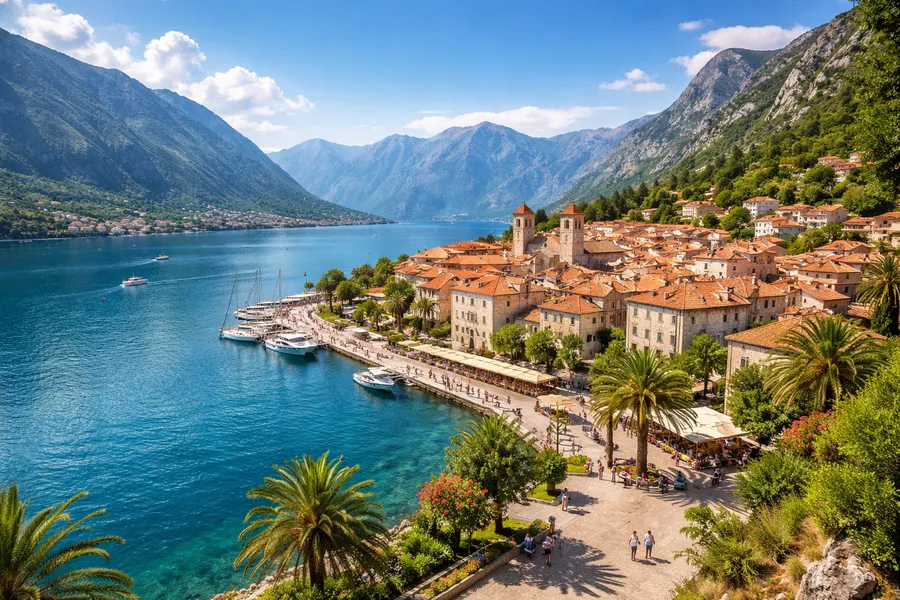

Kotor, Montenegro, is a historic gem nestled in the heart of the Bay of Kotor, renowned for its UNESCO-protected Old Town, well-developed infrastructure, and steady flow of tourism. For those considering relocating to Kotor or making strategic investments in the Kotor real estate market, the city offers an exceptional blend of livable quality, high property liquidity, and a transparent transaction process. Kotor’s appeal lies in its mild Mediterranean climate, direct access to the sea, cultural heritage status, and close proximity to Tivat International Airport. According to official tourism and transport authorities (Montenegro National Tourism Organization; Airports of Montenegro – Tivat), Kotor ranks among the country’s most visited destinations — a fact that directly fuels strong rental demand and investment returns. As a general market reference, waterfront premium apartments typically start from $3,500–$5,500 per m², modern flats in Dobrota range from $2,300–$3,200 per m², while detached homes with bay views are priced from $350,000 up to $900,000 or more.
Key Insight: The combination of a consistent tourist influx and the nearby international airport ensures high seasonal occupancy rates — a factor that significantly enhances the investment appeal of properties along the Bay of Kotor.
Kotor’s Location and How to Get There
Kotor, Montenegro, lies at the innermost point of the Bay of Kotor, part of the Adriatic Sea, on the country’s southwestern coast. Nestled at the foot of Mount Lovćen, the city benefits from natural protection against winds, creating a mild coastal microclimate. Administratively, Kotor is part of the municipality of the same name and enjoys close proximity to key tourist destinations and regional transport hubs.
Key Insight: Kotor is a prime waterfront location with direct access to the Adriatic, just 10–15 minutes from Tivat International Airport and 25–35 minutes from the resort town of Budva. This strategic positioning sustains year-round tourism and business activity.
Geography
- Region: Southwestern Montenegro, Bay of Kotor (Adriatic coast).
- Surroundings: Tivat lies to the south, Budva to the southeast, and Herceg Novi to the west, curving around the bay. To the east, Mount Lovćen forms a dramatic natural amphitheater enclosing the city.
- Maps & Navigation: The official tourism portal offers detailed maps highlighting Kotor’s landmarks, promenade, and access roads to the Old Town (Montenegro National Tourism Organization).
Accessibility and Travel Times
Kotor is easily reached via scenic coastal roads or by air through the nearby Tivat Airport. The table below offers estimated travel times and costs (one way), excluding seasonal traffic delays.
| Route | Distance | Travel Time | Transport | Approx. One-Way Cost |
|---|---|---|---|---|
| Tivat Airport → Kotor | ≈ 8–9 km | 10–20 min | Taxi / Bus | Taxi: $18–30; Bus: $3–5 (Airports of Montenegro – Tivat) |
| Budva → Kotor | ≈ 23–25 km | 25–40 min | Bus / Car | Bus: $4–6; Taxi/Transfer: $35–55 |
| Podgorica (City/Airport) → Kotor | ≈ 85–90 km | 1 hr 40 min – 2 hr 10 min | Bus / Car | Bus: $9–14; Taxi/Transfer: $110–160 |
| Herceg Novi → Kotor | ≈ 45–50 km around the bay | 55–80 min (longer in summer) | Bus / Car | Bus: $5–8; Taxi: $60–90 |
| Local Travel: Dobrota / Muo / Prčanj → Kotor | 3–8 km | 5–20 min | Blue Line buses / Car | Blue Line: $1–2 per trip |
Note: During high season (June–September), coastal traffic and limited parking near the Old Town may increase travel times by 15–40 minutes.
Transport Infrastructure: Air, Road, and Local Transit
- Air Travel: The closest hub is Tivat Airport (TIV), just 8 km from Kotor. In the tourist season, the airport operates direct flights from major European cities and charter services. Current schedules and services are available on the official Airports of Montenegro website.
- Road Network: The coastal highway connects Kotor to Budva, Tivat, and Herceg Novi. The serpentine road over Mount Lovćen leads to Njeguši and Cetinje. National roads are regularly maintained and meet resort-level infrastructure standards, with road markings and night lighting in place.
- Long-Distance Buses: Regular services link Kotor with Podgorica, Bar, Budva, and Tivat Airport (including seasonal transfers). Tickets can be purchased at Kotor’s central bus station or via online platforms. Typical fares range from $0.10–0.20 per km.
- Local and Suburban Lines (Blue Line): These connect Kotor with Dobrota, Muo, Prčanj, and nearby Tivat. Buses run every 15–30 minutes on weekdays. A single ride costs $1–2.
- Taxis & Private Transfers: Operated via metered rates or fixed company pricing. A typical ride from Tivat Airport to Kotor center costs $18–30, depending on time and vehicle class.
- Water Transport: During summer, private boats and water taxis offer bay-side service between Kotor, Dobrota, Prčanj, and more. Prices start from $10–15 for short trips and vary by route and provider.
Tip for Investors and Residents: When visiting the Old Town, plan ahead for parking and restricted vehicle access. Use designated park-and-walk lots and refer to the official Montenegro tourism portal for updated maps and navigation tools.
Advantages of the Location for Living and Business
- Compact Urban Layout: Key services such as the waterfront, medical centers, banks, and retail shops are typically reachable within 5–15 minutes.
- Regional Mobility: Proximity to Tivat Airport makes short business and family trips within the region quick and convenient.
- Tourism-Driven Demand: The consistent influx of seasonal visitors sustains strong rental yields and supports local business turnover (source: NTO Montenegro).
Bottom Line: Kotor’s geography offers a rare balance of seaside living and accessible transport. Whether for daily convenience or long-term investment, the location ensures predictable logistics, reliable tourism flow, and seamless connections to the coast’s major hubs and the capital.
Kotor’s Neighborhoods: A Guide for Living and Investment
The municipality of Kotor encompasses both the historic Old Town and several coastal districts along the Bay of Kotor, offering a diverse range of lifestyle and investment options — from authentic stone apartments in the medieval center to modern waterfront residences in Dobrota and scenic hillside villas in Muo and Prčanj. For an initial orientation, consult the official website of the Kotor municipality and data from the Statistical Office of Montenegro (MONSTAT). Local attractions, promenades, and cultural landmarks are mapped out on the National Tourism Organization of Montenegro portal.
Key decision factor: Match your budget (from $1,800–$2,600/m² in quieter zones to $3,500–$5,500/m² for prime waterfront) with your objectives (residence, short-term or long-term rental) and your tolerance for seasonal traffic and noise levels in the Old Town.
Comparative Overview of Kotor’s Districts
| Neighborhood | Location | Infrastructure | Property Types | Average Price | Best For | Highlights |
|---|---|---|---|---|---|---|
| Old Town (Stari Grad) | Inside fortified walls; 0–5 min walk to marina and promenade | Restaurants, boutiques, museums, cruise port; limited parking | Historic apartments, rare lofts | $3,000–$4,800/m²; elite units up to $6,000/m² | Architecture lovers, short-term rental investors | UNESCO status, festivals, high tourist volume |
| Dobrota | North of Old Town along the waterfront; 5–10 min by car | Seaside cafés, beaches/piers, supermarkets, hotels | Modern apartments, waterfront flats, villas | $2,300–$3,200/m²; first-line: $3,500–$5,500/m² | Families, rental investors, seasonal residents | Walkable promenade, sea views, balanced traffic |
| Muo | South of Old Town, across the bay; 7–12 min by car | Basic shops and cafés; moderate infrastructure | Stone houses, villas, panoramic apartments | $2,000–$3,000/m²; view villas from $450,000+ | Quiet living near the center, view-driven investment | Sweeping views of Kotor’s fortress and marina |
| Prčanj | Across the bay from Kotor; 12–20 min by car | Minimal: small cafés, supermarket, piers | Compact apartments, houses, waterfront cottages | $1,800–$2,600/m²; houses from $300,000+ | Tranquil living, long-term ownership | Historic churches, manicured seafront, fewer tourists |
Note: Properties within the Old Town are subject to heritage preservation laws, including restrictions on facade changes and structural alterations. Verify all zoning and architectural requirements via the municipal portal.
Old Town (Stari Grad)
- Location: The heart of Kotor, enclosed by medieval walls at the base of Mount Lovćen; steps from the marina and waterfront.
- Infrastructure: Museums, galleries, fine dining, and cruise ship docks. Vehicle access is restricted and parking is limited.
- Property Types: Renovated historic buildings, vaulted stone homes, and rare loft-style apartments ideal for rental.
- Prices: $3,000–$4,800/m² for restored properties; exceptional listings can reach $6,000/m².
- Ideal For: Lovers of historic architecture and investors targeting the thriving short-term rental market (confirmed by official tourism data).
- Highlights: UNESCO World Heritage designation, cultural calendar, and peak-season noise levels.
Dobrota
- Location: Coastal zone north of the Old Town; 5–10 minutes by car to the center.
- Infrastructure: Long waterfront promenade, supermarkets, waterfront cafés, private piers, and small pebble beaches. Easy access to Tivat and Budva.
- Property Types: Business-class new developments, boutique buildings, first- and second-line apartments, private villas with gardens.
- Prices: Modern apartments range from $2,300–$3,200/m²; first-line homes: $3,500–$5,500/m²; fully equipped villas from $650,000+.
- Ideal For: Families and rental investors seeking balanced traffic, proximity to schools and city services (source: municipality website).
- Highlights: An excellent balance of lifestyle quality and rental yield; demand remains strong year-round.
Muo
- Location: Southern shore of the bay, directly across from Kotor; 7–12 minutes to the Old Town.
- Infrastructure: Modest but sufficient, with local markets and cafés; quieter than central districts.
- Property Types: Mediterranean-style stone homes, apartments, and villas with panoramic glass fronts and terraces.
- Prices: Apartments: $2,000–$3,000/m²; panoramic villas from $450,000–$950,000+ depending on lot size and finishes.
- Ideal For: Residents seeking calm close to the city or investors focused on panoramic view properties.
- Highlights: Direct views of Kotor’s walls and marina, low-density development.
Prčanj
- Location: Across the bay from Kotor; 12–20 minutes by car to the center.
- Infrastructure: Minimal but functional — supermarket, a few cafés, piers, and quiet swimming spots.
- Property Types: Small-scale apartments, waterfront homes and cottages, low-rise development plots.
- Prices: Apartments: $1,800–$2,600/m²; waterfront homes from $300,000–$700,000+.
- Ideal For: Peaceful retreats, family living, or long-term “buy-and-hold” strategies.
- Highlights: Historic architecture, elegant promenade, and a much lower tourist footprint compared to the city core.
Return on Investment: In peak season, short-term rentals in Dobrota and the Old Town can generate gross yields of ~5–7% annually, provided the property remains consistently occupied. Quieter areas like Muo and Prčanj are typically preferred for long-term living or steady rental returns.
How to Choose the Right Neighborhood: A Practical Checklist
- Purpose: Clarify your goal — primary residence or rental income (short- or long-term).
- Budget: Match your price range to the area: Prčanj/Muo: $1,800–$3,000/m²; Dobrota: $2,300–$5,500/m²; Old Town: $3,000–$6,000/m².
- Parking & Access: Evaluate your daily travel needs and parking availability. Regulations are published on the municipal website.
- Noise & Traffic: Consider peak season traffic and noise levels, especially near the historic center and main coastal road.
- Infrastructure: Check proximity to groceries, schools, and healthcare. Use MONSTAT for verified population and density data by district.
- Liquidity: For investment, prioritize areas with proven tourist demand — confirmed by official tourism statistics.
Bottom line: For families or balanced “live + rent” strategies, Dobrota is ideal. For scenic, tranquil living — opt for Muo or Prčanj. For prestige and maximum tourist exposure — choose the Old Town. Dollar-denominated price bands allow you to tailor your “buying property in Kotor” strategy to your goals with clarity and confidence.
Climate and Lifestyle in Kotor
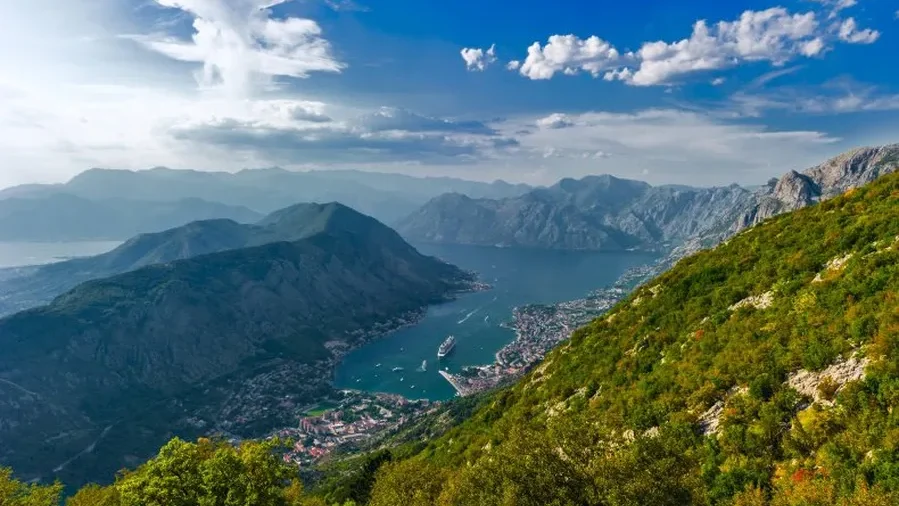
Kotor, Montenegro, is nestled deep within the Bay of Kotor, where the surrounding mountains create a sheltered coastal microclimate characterized by long, warm summers, mild, damp winters, and an early spring. According to long-term observations by the Institute of Hydrometeorology and Seismology of Montenegro (IHMS), Kotor enjoys a Mediterranean climate, marked by abundant sunshine in summer and higher precipitation in winter. These conditions shape the city’s daily rhythm — from an extended swimming season and year-round use of the promenade to a vibrant calendar of summer events, as confirmed by the National Tourism Organization of Montenegro.
Important: The bay’s natural protection from winds minimizes wave activity, extending the season for seaside strolls and allowing for earlier swimming conditions in late spring.
Seasonal Climate Overview
| Season | Avg. Air Temperature (Day/Night) | Sea Temperature | Precipitation (mm/month) | Sunshine (hours/day) | Practical Notes |
|---|---|---|---|---|---|
| Spring (March–May) | 15–22°C / 8–14°C | 14–19°C | 70–110 | 6–8 | Ideal for hiking and cycling; by May, swimming begins on calmer days |
| Summer (June–August) | 27–32°C / 18–23°C | 22–26°C | 30–60 | 9–11 | Peak season: swimming, kayaking, evening events on the promenade |
| Autumn (September–November) | 18–25°C / 12–18°C | 23°C (Sept) → 16°C (Nov) | 110–180 | 5–7 | September offers warm water; rain and fog increase into November |
| Winter (December–February) | 8–13°C / 3–7°C | 13–15°C | 140–200 | 3–5 | Mild and rainy; ideal for walks without tourist crowds |
These indicators reflect typical coastal conditions and align with long-term precipitation and temperature trends published by IHMS Montenegro.
Resident Insight: The swimming season typically runs from late May to early October. For optimal seaside living, the best months are June, September, and early October — when the sea remains around 22–24°C and the promenade is less crowded.
Everyday Life and Seasonality
- Morning by the Bay: Walks and jogs along the waterfront of Kotor and Dobrota; paddleboarding and kayaking often begin by 7:00 a.m. in summer.
- Afternoon: Swimming and short getaways to piers or small pebble beaches. A midday break is common during peak heat in July and August.
- Evening: Outdoor dining, open-air concerts, and street fairs. Cultural events peak in July and August, as listed on the official tourism calendar.
- Winter: Calm and peaceful, ideal for gastronomy, scenic walks to St. John’s Fortress, and excursions to Mount Lovćen on clear days.
Health & Comfort
- Humidity: Elevated humidity is common in the bay area. Good ventilation and dehumidifiers are recommended for homes during the shoulder seasons.
- Sun & UV Exposure: Solar intensity is high in summer; shaded terraces or awnings are advisable when selecting or furnishing a property.
- Noise & Foot Traffic: Tourist crowds peak in July and August. For quieter year-round living, areas like Dobrota, Muo, and Prčanj are more suitable.
Planning Tip: The interplay of mountain terrain and coastal airflows may cause localized fog and heavier autumn/winter rainfall. For real-time storm advisories, check the IHMS official alert page.
Internet & Remote Work
Internet access in Montenegro is provided via both fiber-optic and mobile networks. In Kotor, speeds of 100–300 Mbps are widely available. According to the telecommunications regulator EKIP, providers actively expand bandwidth and coverage in coastal municipalities during the high season.
- Home broadband: $18–30/month for 100–300 Mbps
- Mobile data (10–20 GB): $7–15/month (more seasonal deals available in summer)
- Coworking space (per day): $10–20; monthly: $120–200
Everyday Costs: Local Benchmarks
- Coffee on the promenade: $1.80–2.50 Bistro lunch: $8–12 Mid-range dinner per person: $18–30
- Sunbed + umbrella (daily): $10–20 SUP/kayak rental (1 hour): $8–12 Motorboat (per hour): $40–70
- Gym membership (monthly): $25–45 Yoga/Pilates class: $8–15
- Utilities for a ~60 m² apartment: $80–140/month in shoulder seasons; with active summer A/C: $150–200
Summary for “Living in Kotor”: A mild Mediterranean climate, extended beach season, and a lively cultural calendar shape a steady and enjoyable rhythm of life — from morning walks along the waterfront to evening concerts in the Old Town. This enhances both quality of life and the predictability of seasonal expenses.
Kotor’s Beaches and Waterfront Leisure
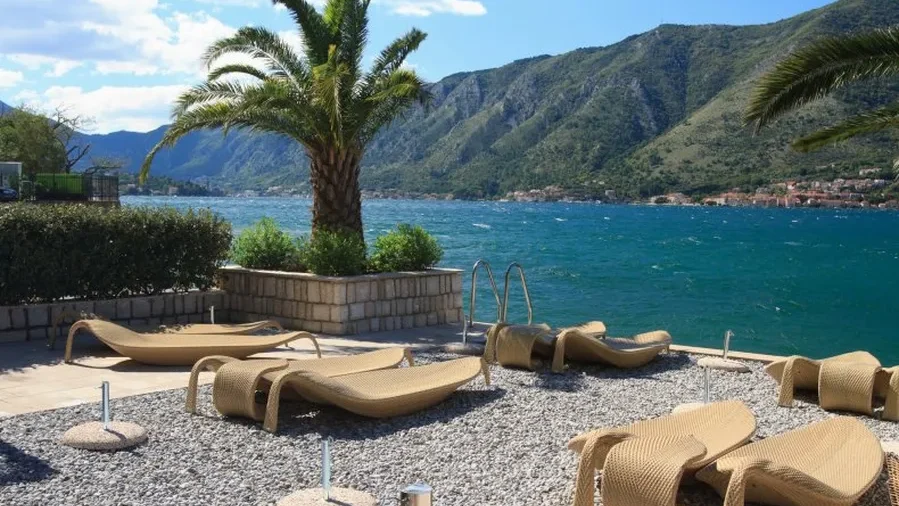
The Bay of Kotor is characterized primarily by small pebble beaches and concrete piers lining its promenades. While expansive sandy beaches are scarce, the bay offers calm, mountain-protected waters, an early start to the swimming season, and walkable access to amenities. According to the Montenegro National Tourism Organization, Kotor and its surroundings offer year-round appeal for waterfront recreation. Local regulations on promenade use and parking are published on the official Kotor municipal website, while the condition and management of coastal zones and seasonal beach operations are overseen by the state coastal authority, Javno preduzeće Morsko dobro.
Note: Beaches in Kotor are predominantly pebble or pier-based. Water shoes are highly recommended. During high season (July–August), early arrival is advised due to limited parking near the promenades.
Top Swimming Spots in Kotor and Around the Bay
| Location | Shore Type | Access / Parking | Amenities | Best For |
|---|---|---|---|---|
| Kotor City Promenade (near Old Town) | Piers, small pebble areas | Pedestrian access; limited parking due to traffic restrictions | Cafés, showers at some piers, SUP rentals | Quick swims after exploring the Old Town |
| Dobrota (long waterfront stretch) | Pebble beach + private/municipal piers | Street parking; easy access | Seafront cafés, sunbeds, kayak rentals | Family-friendly, morning/evening swims |
| Muo | Piers, narrow pebble pockets | Narrow streets; limited parking spots | Small cafés, steps into the water | Quiet dips with panoramic views of Kotor’s walls |
| Prčanj | Pebble beach, piers | Easy access, parking along promenade | Cafés, small sunbed areas | Relaxed swimming, long-distance swims |
| Ljuta | Large pebbles, stone slabs | Limited parking | Minimal infrastructure | Pristine water, snorkeling |
| Orahovac | One of the bay’s longest pebble stretches | Easy access, more parking available | Café/bar, sunbed rentals | Families with children, full beach days |
| Risan | Pebble beach along promenade | Promenade-side parking | Cafés, SUP rentals | Leisurely swims with mountain views |
| Perast | Small pebble sections + piers | Parking at town entrance; walk-in access | Boat taxis to nearby islands | Swimming + boat trips to the islets |
Tip: For a full beach day, consider Orahovac or the quieter stretches of Dobrota. For a quick dip after sightseeing, the piers near the Old Town, Muo, and Prčanj are ideal.
Water Activities & Price Guide
- SUP / Kayak: $8–12 per hour; mornings are calmer with less boat traffic.
- Boat / Water Taxi around the Bay: $30–60/hour for small vessels; shared transfer to Our Lady of the Rocks island: $5–15/person.
- Snorkeling / Half-Day Boat Tour: $25–40/person (group tours).
- Diving (Intro Dive): $60–90; PADI Open Water course: $350–500.
- Sunbed + Umbrella Rental: $10–20/day at organized beaches.
- Private Yacht / Boat Charter (Full Day): $350–800 depending on vessel and route.
Water Safety: Observe swim zone buoys and boating rules. Seasonal beach and navigation regulations are published by Javno preduzeće Morsko dobro.
Practical Tips for Coastal Days
- Seasonality: Peak season is July–August. For quieter swimming and boating, June and September are ideal.
- Gear: Water shoes, rash guards or light wetsuits, and sun protection. Piers may be slippery in the afternoon heat.
- Parking: Plan ahead. Old Town has regulated access and paid zones (check updates on the Kotor municipal portal).
- Water Quality: Monitored seasonally in the bay. Updates and regulations on coastal use are available from Morsko dobro.
- Best for Families with Children: Orahovac, calm sections of Dobrota, and Risan, all offering gentle entry points. Avoid areas near active marinas or port traffic.
Conclusion:Kotor’s beaches are compact, pebble-lined, and dotted with piers offering easy access to the water — all within a walkable coastal zone. The “city + sea” format allows for a high level of comfort and budget-friendly recreation: from $10–20 for sunbed rentals to $30–60/hour for private boat hire. Stay updated on events and routes via the official Montenegro Tourism Portal.
Kotor Real Estate Market: Property Types and Price Trends
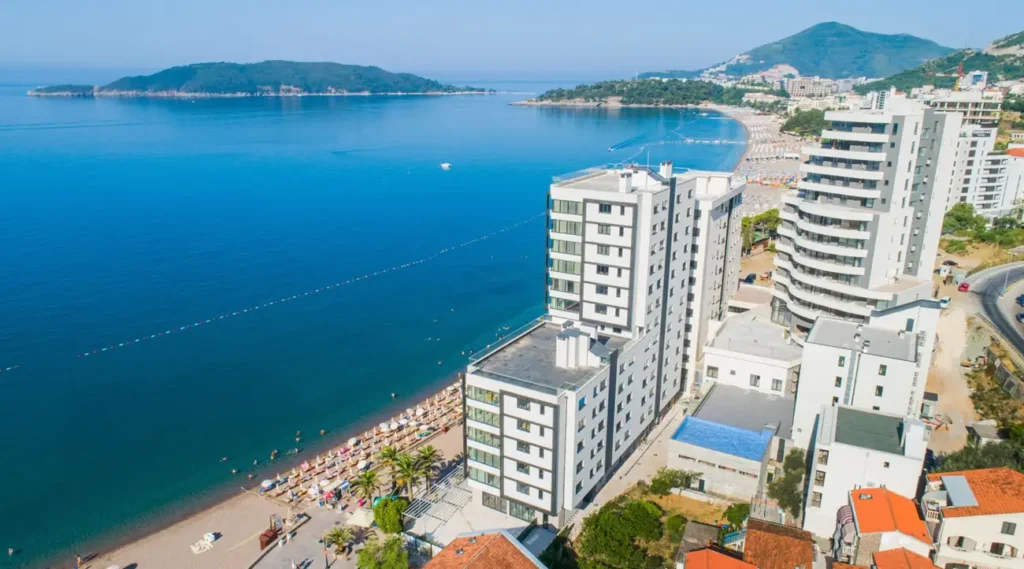

 Rafailovići
 от 52м²
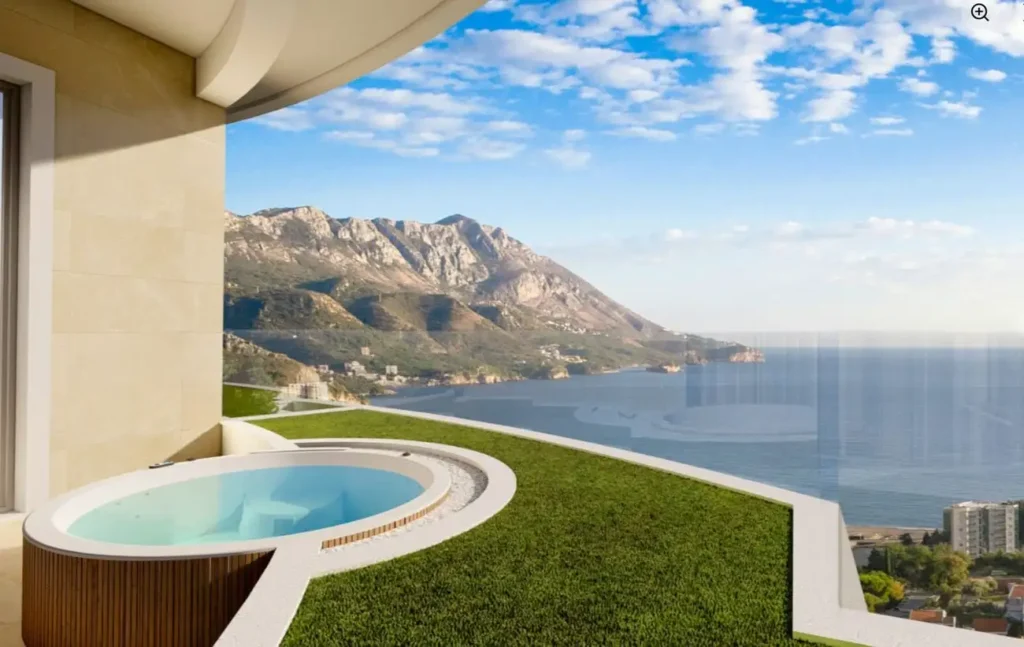
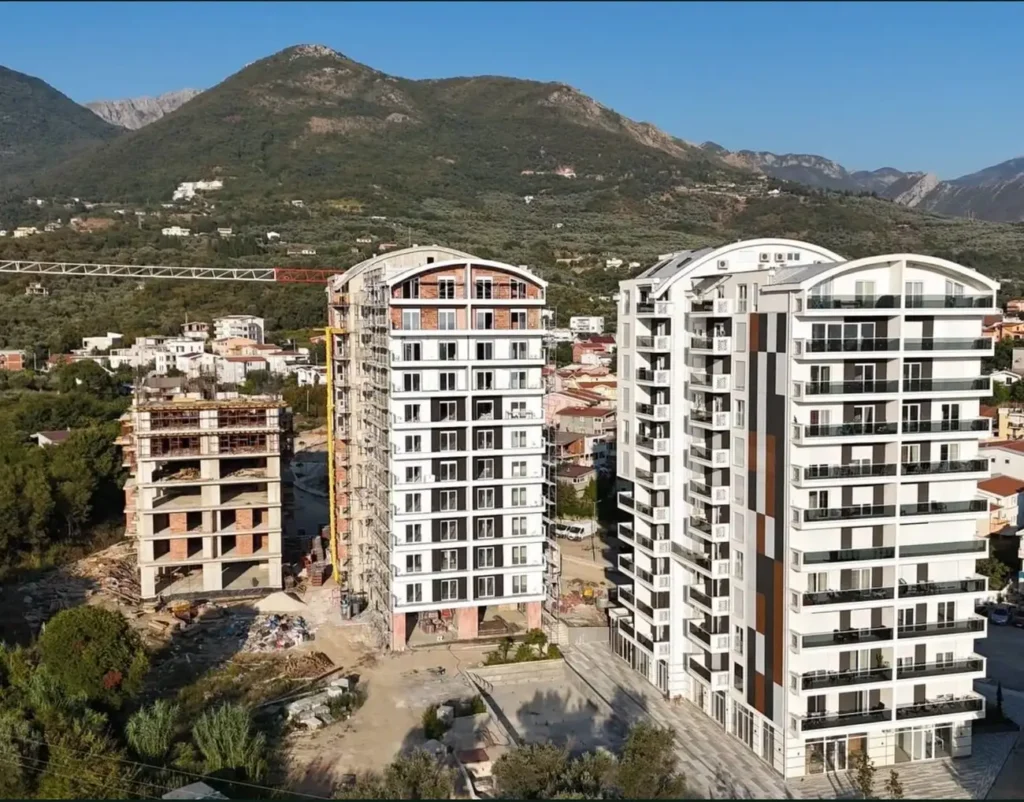
Kotor’s property market is defined by limited inventory and consistently strong demand. The UNESCO-protected heritage setting, coveted waterfront locations, and proximity to Tivat International Airport all contribute to the market’s long-term liquidity — both for short-term rentals and personal use. The area’s tourism appeal is officially recognized by the Montenegro National Tourism Organization, while demographic and development trends are tracked by the Statistical Office of Montenegro (MONSTAT).
Important: Within the historic core and along the waterfront, new developments are extremely limited due to strict preservation and reconstruction regulations. This suppresses supply and maintains stable pricing in the resale market.
Property Types and Price Ranges
| Type / Location | Description | Price Range (USD) | Notes |
|---|---|---|---|
| Kotor Old Town (Apartments) | Historic buildings, renovated interiors, authentic layouts | $3,000–$4,800/m² (up to $6,000/m² for rare units) | High short-term rental potential; limited parking |
| Dobrota (Seafront Apartments) | Modern low-rise buildings, first and second-line units | $2,300–$3,200/m²; waterfront: $3,500–$5,500/m² | Ideal for “live + rent” strategies; walkable promenade |
| Muo (View Apartments / Villas) | Stone houses and contemporary hillside villas | $2,000–$3,000/m²; villas: $450,000–$950,000+ | Panoramic views of the fortress and marina; quiet setting |
| Prčanj (Apartments & Houses) | Low-density zone with access to piers and beaches | $1,800–$2,600/m²; houses: $300,000–$700,000+ | Suited for long-term living and relocation |
| Waterfront Villas (Bay-wide) | Frontline homes, occasionally with private piers | $700,000–$2.5M+ | Rare transactions; strong capital preservation |
| Land with Sea Views | Hillside plots; infrastructure varies by lot | $150–$350/m² (land) | Verify zoning and access with municipality |
Price Summary:Real estate in Kotor is generally more affordable than premium marinas in Tivat or Herceg Novi, but more expensive than inland or viewless zones. The combination of limited new supply and protected status supports pricing stability over a 5–10 year horizon.
Rental Market & Yields: Key Figures for Investors
- Short-term rentals (1–2 BR): In high season (July–August), rates average $110–180/night in the Old Town and Dobrota waterfront, and $80–120/night in Prčanj and Muo. Occupancy rates in peak months typically reach 85–95%.
- Shoulder season (May–June, Sept–Oct): Rates drop by 25–40%, with steady demand near promenades and in Dobrota.
- Long-term rentals: One-bedroom apartments rent for $700–1,100/month, two-bedrooms for $900–1,400/month, depending on location and view.
- Operating costs: Management, cleaning, and booking platforms account for 15–25% of gross income. Utilities for a 60–70 m² apartment range from $100–180/month depending on the season.
- Gross yields: Well-managed, high-demand properties typically yield ~4–7% annually before taxes.
These figures align with official tourism flow data from the Montenegro National Tourism Organization and demographic indicators from MONSTAT.
New Developments: Scarce in Kotor, Where to Look Instead
Due to strict building and preservation rules — detailed on the municipal portal — new developments are rare within Kotor’s historic and coastal zones. If you’re prioritizing modern buildings with parking, elevators, and amenities, consider nearby urban centers with convenient access to Kotor:
- Tivat (15–25 minutes from Kotor): Modern districts near marinas, boutique residences, and mixed-use developments. Pricing ranges from $2,800–$4,500/m² for quality projects; premium marina residences can reach $5,500–$9,000/m². Strategy: live or rent in Tivat, enjoy Kotor for leisure and tourism.
- Budva, Bečići, Rafailovići (30–40 minutes): A wide range of new builds from comfort to business-class. Prices typically range $2,500–$4,000/m², with year-round rental potential supported by both tourism and business activity.
- Herceg Novi & Bay Area (40–60 minutes): High-end residences near marinas and gated villa communities. Top-tier properties are priced at $4,500–$8,000/m².
Practical Strategy: Purchase a new build in a nearby town (for convenience, amenities, and parking), and leverage Kotor as a tourism anchor. Most visitors include Kotor in their itinerary, which helps sustain occupancy and demand even for properties 15–40 minutes away.
What to Check Before Buying in Kotor
- Zoning and preservation restrictions: Alterations to historic buildings — including facades and interiors — must comply with official regulations. Check updates on the municipality’s website.
- Municipal tourism strategy: Seasonal festivals, cruise ship arrivals, and public events directly impact occupancy and rental rates. Track announcements via the Montenegro Tourism Portal.
- Demand/supply indicators: Review population data, housing stock, and tourism flow trends via MONSTAT.
- Parking and access: For Old Town and first-line properties, parking solutions are crucial for both resale value and rental viability.
- Structural condition: For heritage buildings, inspect waterproofing, HVAC systems, and ventilation — the bay’s humidity is higher than average.
Investor Summary:Property in Kotor offers a rare combination of lifestyle quality and capital resilience. If you prioritize fully equipped modern residences, look to Tivat or Budva — but always keep Kotor within your lifestyle or rental radius. Its role as a cultural and tourism hub sustains value and rental appeal throughout the bay.
The Property Purchase Process in Montenegro
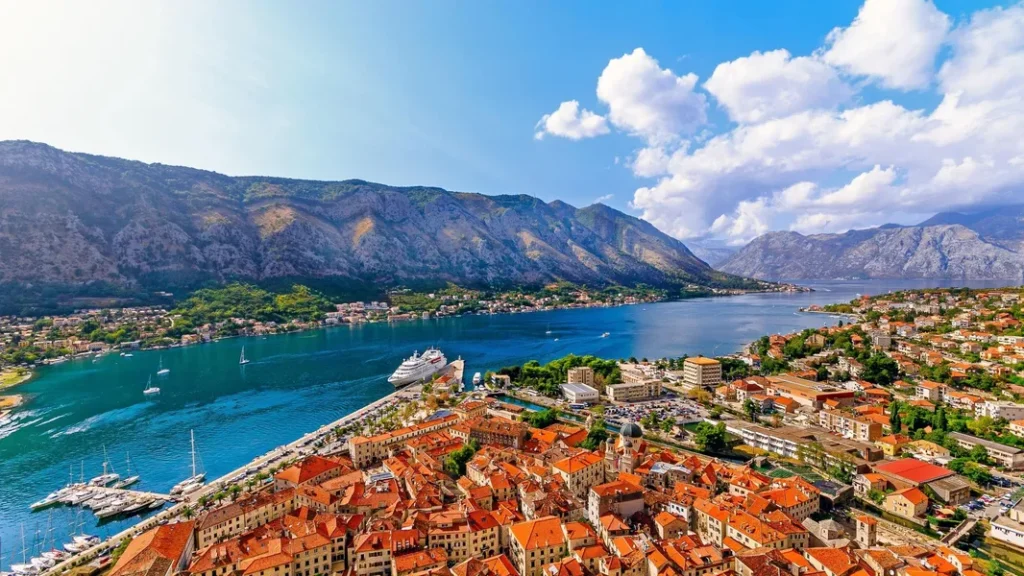
Buying property in Montenegro is a transparent and legally structured process. Transactions are certified by a notary, ownership is registered with the land cadastre, and taxes are administered by the national revenue authority. Foreigners are allowed to purchase property under the same conditions as locals, with the exception of certain categories such as agricultural land and protected cultural heritage sites. Transactions are typically conducted in euros. Below is a step-by-step breakdown — from property selection to title registration — including cost estimates in USD. In Kotor itself, new developments are scarce; if amenities like elevators, underground parking, and concierge services are important to you, consider purchasing in Tivat or Budva (15–40 minutes from Kotor) and enjoy Kotor as a lifestyle destination with steady tourist appeal.
Important: Ownership status and encumbrances must be verified through an extract from the real estate registry (List nepokretnosti), available from the Montenegrin Real Estate Administration. Tax issues and the 3% transfer tax are handled by the Revenue and Customs Administration. Zoning regulations and local development rules for Kotor can be found on the official municipal portal.
Step-by-Step Guide: How to Buy Property in Montenegro
| Step | Action Summary | Timeline | Estimated Cost (USD) |
|---|---|---|---|
| 1. Property Selection and Due Diligence | Request cadastre extract (List nepokretnosti), verify ownership, encumbrances, land use, and permits | 3–7 business days | $600–1,500 (legal audit) + $10–30 (government fees) |
| 2. Preliminary Contract (Predugovor) and Deposit | Fix price and terms, pay 5–10% deposit; optional notary escrow deposit | 1–3 days | Notary: $100–200; Escrow: $300–600 |
| 3. Banking Formalities | Prepare SWIFT transfer in euros, provide proof of funds (AML compliance); optionally open local account | 1–5 business days | Transfer fees: $20–60 |
| 4. Final Contract with Notary | Certify the sale agreement; sworn translator required if buyer doesn’t speak local language | 1 day | Notary: $250–900; Translator: $120–250 |
| 5. Payment to Seller | Wire transfer or release of escrow funds upon contractual conditions | 1–3 days | Bank fees: $20–60 |
| 6. Property Transfer Tax | For resales: 3% of market value (assessed by tax authority). For new builds: VAT included; no 3% tax applied | Tax decision: 15–30 days; payment due within 15 days | Example: $200,000 property → tax ≈ $6,000 |
| 7. Title Registration in Cadastre | Submit contract and receipts; property is recorded and updated extract issued | 5–15 business days | Gov’t fees: $40–120 |
| 8. Handover and Utility Setup | Sign handover act, transfer utilities (water, electricity, internet), purchase insurance | 1–5 days | Utilities: $50–150; Insurance: $80–250/year |
Timing: A typical cash transaction takes approximately 2–6 weeks. Mortgages or developer payment plans can extend the process to 6–10+ weeks depending on the lender or project.
Buyer and Property Documentation
- Buyer’s passport, residential address, and contact details.
- Notarized power of attorney (if acting through a representative).
- Property documents: cadastre extract (List nepokretnosti), technical passport, occupancy permit (for new builds), and confirmation of no outstanding utility debts.
- Proof of funds (may be requested by bank or notary under AML requirements).
- Spousal or co-owner consent — if applicable, required by notary based on legal status.
Registry Checks: Property title and any encumbrances (liens, servitudes) are verified via the Montenegro Land Registry. The 3% tax ruling is issued by the Tax Administration. Kotor’s zoning and heritage regulations are available on the municipal website.
Payments and Transaction Security
- Transaction currency: All payments are made in euros. USD estimates in this article are for comparative purposes only.
- Notary escrow: A secure option where funds are held and released only after title transfer. Typical fee: $300–600.
- Alternatives: Bank letter of credit or phased developer payments (for new builds).
Looking for a New Build? How to Balance Kotor’s Charm with Practicality
- Tivat (15–25 minutes from Kotor): A wide selection of modern complexes with elevators, parking, and security. Prices range from $2,800–4,500/m², with luxury units reaching $9,000/m². Live in comfort while enjoying Kotor’s historic charm and seafront ambiance.
- Budva / Bečići (30–40 minutes): Contemporary developments ranging from mid-range to upscale, often with full infrastructure. Prices: $2,500–4,000/m². Tourists still flock to Kotor, maintaining high rental demand within a 15–40 minute radius.
Investor Tip: The lack of new builds in Kotor isn’t a drawback — it’s a strategic signal. Invest in a modern property nearby, and let Kotor’s unique magnetism — excursions, dining, and the Old Town — support your asset’s occupancy and rental income.
Hidden Pitfalls in the Purchase Process
- Unregistered areas: Terraces, lofts, or extensions may not be recorded in the cadastre — always cross-check official records.
- Encumbrances: Liens, easements, or seizure orders should be verified via registry extracts and mortgage notes.
- Building status: For new builds, confirm the construction permit and occupancy certificate; for heritage properties, check if they fall under Kotor’s preservation zones.
- Parking and access: In the Old Town and waterfront zones, parking is a critical factor for both resale and rental potential.
- Tax and registration timing: Budget for the 3% transfer tax on resales and factor in potential delays in the tax ruling before final registration.
Bottom Line: Purchasing property in Montenegro follows a clear legal framework based on notarized contracts, cadastre registration, and predictable fiscal rules. If you value modern comfort, Tivat or Budva offer practical advantages — while Kotor remains the “Adriatic capital of charm,” anchoring rental demand and long-term appeal.
Case Studies and Buyer Insights: New Developments Near Kotor
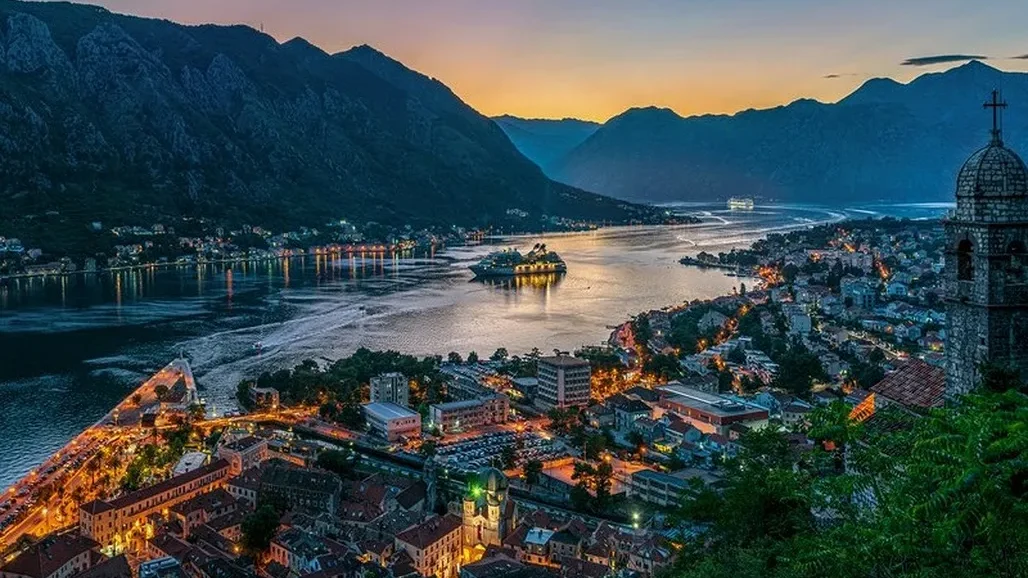
Due to strict development restrictions in Kotor’s historic center and along its waterfront, new construction is limited. A practical approach for investors is to purchase a modern apartment in nearby cities with active development—such as Tivat, Budva, or Herceg Novi—while enjoying Kotor as a cultural and lifestyle hub. Tourists include Kotor in nearly every itinerary, which sustains high rental demand within a 15–40 minute radius of the Old Town. This stable tourist influx is confirmed by official data from the Montenegro National Tourism Organization and macro indicators published by MONSTAT.
Important: When buying from a developer, VAT is typically included in the purchase price, and the 3% property transfer tax is generally not applied. Always verify the latest tax and title rules via the land registry extract and tax authority decisions. Title registration is carried out through the [Montenegro Real Estate and Cadastre Authority](https://www.gov.me/clanak/uprava-za-katastar-i-drzavnu-imovinu).
Case 1 — Tivat: “Live in a Modern Complex, Visit Kotor for the Charm”
- Property: One-bedroom apartment, 49 m², in a new development with underground parking, elevator, and concierge services.
- Purchase Price: $185,000 (≈ $3,775/m²); optional parking space: $22,000.
- Payment Terms: 30% upon signing the preliminary agreement; 70% held in notary escrow until project completion.
- Finishing & Furnishing: Turnkey interior package: $11,000–14,000.
- Rental Income: Peak season: $120–160/night; off-season: $70–100/night. Property managed by a company charging 20% of gross revenue.
- Gross Yield: 5.5–6.5% annually, assuming 85–95% occupancy in July–August. Proximity to both Kotor and Tivat Airport (~8 km) supports consistent demand.
- Distance to Kotor: 15–20 minutes along the scenic coastal road. The Old Town promenade becomes a weekend ritual.
Takeaway: Tivat offers the comfort and convenience of new builds, while Kotor provides a rich cultural backdrop and steady tourist-driven rental demand.
Case 2 — Budva/Bečići: “Seaside Business-Class Living, Kotor Tops Every Tour”
- Property: Two-bedroom apartment, 72 m², in a business-class building with reception, gym, and rooftop terrace.
- Purchase Price: $209,000 (≈ $2,900/m²); underground parking: $18,000.
- Payment Terms: 20/80 or 0% installment plan for up to 12 months; final payment via notary escrow.
- Rental Income: July–August: $130–170/night; shoulder season: $85–120/night. Long-term (Nov–Apr): $900–1,200/month.
- Gross Yield: 5–6% annually with a hybrid rental strategy—short-term in summer, long-term in winter.
- Distance to Kotor: 30–35 minutes. Most guests include Kotor in their excursion plans, boosting occupancy and length of stay.
- Due Diligence: All legal verifications completed via a List nepokretnosti extract: construction and occupancy permits, and confirmation of no liens.
Takeaway: Budva and Bečići offer a wide range of new developments with attractive rental economics. Their proximity to Kotor enhances appeal for both tourists and expats.
Case 3 — Herceg Novi (Kumbor): “Resort-Style Living by the Marina, A Premium Bet”
- Property: 41 m² studio in a resort complex near a marina cluster, featuring a pool, spa, and centralized income management.
- Purchase Price: $260,000 (≈ $6,340/m²); operator-standard furnishing package: $15,000.
- Payment Terms: 10% reservation, 90% on completion. Income distributed through a rental pool; operator retains 20–25% of gross earnings.
- Rental Rates: High season: $180–260/night; off-season: $110–150/night. Gross yield: 4.5–5.5% with strong occupancy.
- Distance to Kotor: 45–55 minutes by road around the bay (shorter via Lepetane–Kamenari ferry). Guests frequently identify Kotor as a “must-see day trip.”
- Legal Status: Sale certified by a notary, title registered in the land cadastre. VAT included; 3% transfer tax not applicable as the purchase was from the developer.
Takeaway: A premium marina-side resort offers stability through an upscale audience and full-service management. The distance from Kotor is offset by the project’s brand value—and Kotor’s enduring pull as the cultural and touristic anchor of the region, as confirmed by the [Montenegrin NTO](https://www.montenegro.travel/ru/places/cities/kotor) and [MONSTAT](https://www.monstat.org/eng/page.php?id=322&pageid=322).
Investor Summary: If your priorities are new construction, parking, elevators, and full-service amenities, it’s smart to buy in Tivat, Budva, or Herceg Novi. Kotor remains close by—its heritage status and high visitor volume naturally support rental occupancy and pricing across the entire bay. Be sure to complete all purchases with proper notarial certification, title registration in the Montenegro cadastre, and a financial model that factors in seasonal demand and management fees.
Conclusion
Kotor offers a rare blend of Mediterranean charm, UNESCO World Heritage appeal, and practical convenience—just 8 km from Tivat International Airport. This unique combination of mild climate, cultural significance, and accessibility creates a compelling balance between quality of life and investment liquidity. With robust infrastructure and a steady year-round flow of tourists, rental demand remains high, while Kotor’s compact layout makes everyday living and logistics refreshingly simple.
For both homeowners and investors, this translates into predictable ownership scenarios—from serene waterfront living to high-demand short-term rentals yielding gross returns of 4–7% annually. The market is primarily resale-driven, with prices ranging from $1,800–$3,200/m² in quieter areas (Prčanj, Muo) to $3,500–$5,500/m² for prime waterfront properties (Dobrota, select addresses in the Old Town). If features like elevators, underground parking, and full-service amenities are essential, it’s smart to explore new developments in nearby hubs such as Tivat, Budva, or Herceg Novi—all within 15–40 minutes of Kotor. Let Kotor be your soul-soothing retreat and a powerful tourism anchor that strengthens occupancy rates and rental returns across the entire bay.
We are a specialized real estate consulting firm in Montenegro. Share your goals with us, and we’ll match you with the ideal residential complex in Tivat, Budva, or Herceg Novi—tailored to your budget and objectives. We’ll calculate projected returns, coordinate legal due diligence, arrange notarial oversight and secure escrow-based transactions, and help you build a seamless strategy to live in a new development while enjoying Kotor as your leisure hub. Submit an inquiry through our contact form or leave your details—we’ll be in touch within 24 hours with 3–5 curated offers, each with detailed cost breakdowns in USD.
 Real estate in Georgia
 Real estate in Cyprus
 Real estate in the UAE
 Real estate in Bali
 Real estate in Thailand
 Real estate in Spain
 Real estate in Saudi Arabia
 Real estate in Turkey
 Real estate in Zanzibar
 +382 60 099359
 hello@residence-estate.me
 The Old Bakery Residences, Budva 85310, Montenegro


 Get catalogue of TOP-7 objects