
 +382 60 099359


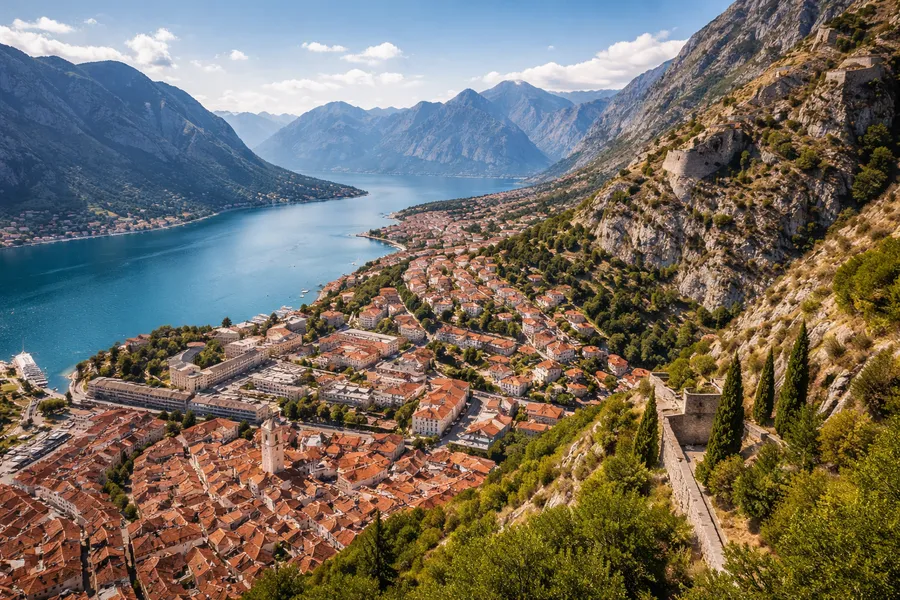

The Old Town of Kotor is a compact medieval labyrinth set along the Adriatic coast, where every narrow street leads to a square crowned with a bell tower, and every archway opens onto ancient city walls overlooking the bay. It is one of the most recognizable UNESCO World Heritage towns in the region and, in essence, an open-air Kotor travel guide: from wandering through Kotor Old Town and hiking the Kotor city walls to climbing up to San Giovanni Fortress and visiting landmarks such as the Cathedral of Saint Tryphon and the Maritime Museum.
If you’re researching the best things to do in Kotor or wondering what to see in Kotor in one day, the Old Town brings together the city’s key attractions and allows you to experience its most important highlights within a single day.
Important: The Old Town of Kotor is a protected cultural monument and part of a UNESCO World Heritage Site. More detailed information is available on the official UNESCO listing page.
Location and How to Get There
Kotor is located in southwestern Montenegro, at the foot of the Lovćen mountain range, deep within the Bay of Kotor. The nearest airport is Tivat (approximately 7–8 km away), followed by Podgorica (~90 km) and Dubrovnik, Croatia (~75 km, plus border crossing). The most convenient starting point for a Kotor walking tour is the seaport and the main gate of the Old Town.
Getting to Kotor (approximate travel time and one-way cost):
- From Tivat Airport:
- Taxi: 15–30 minutes, approximately €20–35
- Bus from Tivat: 20–40 minutes, approximately €3–5
- From Podgorica:
- Intercity bus: 2–2.5 hours, approximately €8–12
- Car/private transfer: 1.5–2 hours, approximately €80–120 per vehicle
- From Dubrovnik (Croatia):
- Bus: 2.5–4 hours including border crossing, approximately €20–30
- Car/private transfer: 2–3 hours, approximately €120–180 per vehicle
- From Budva:
- Bus: 30–50 minutes, approximately €4–6
- Car/taxi: 25–40 minutes, approximately €25–40
During the summer season, allow extra time due to traffic and potential delays at border crossings. For cruise passengers exploring things to do in Kotor from the port, it’s recommended to plan at least 4–6 hours to see the main highlights.
Why Visit Kotor Old Town
Kotor Old Town is one of the best-preserved medieval ensembles along the Adriatic and a designated UNESCO World Heritage Site. For travelers, it brings together the city’s key attractions, the best things to do in Kotor, and must-see places in Montenegro within the compact footprint of its fortified walls.
It’s easy to plan a practical one-day Kotor itinerary here: stroll through the Old Town, hike the city walls up to San Giovanni Fortress, visit the Cathedral of Saint Tryphon and the Maritime Museum, and take in some of the finest panoramic views of the Bay of Kotor.
Important: Kotor Old Town is a protected historical site. Before your visit, it is recommended to check opening hours and any seasonal restrictions on the official website of the National Tourism Organisation of Montenegro (montenegro.travel).
For flight planning and schedules, use the official Airports of Montenegro website.
Up-to-date information on entry requirements, public services, and national news is available on the official Government of Montenegro portal.
Residential complexes in Montenegro
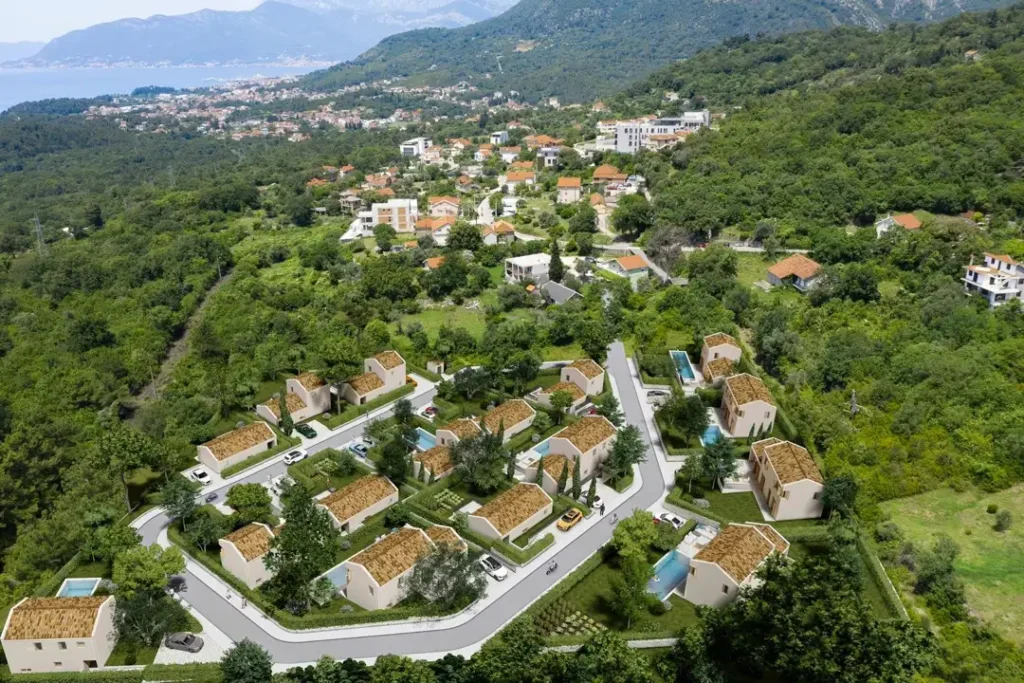

 Tivat
Tivat от 74.24м²


Location and How to Get There
Kotor is situated deep within the Bay of Kotor, at the foot of the Lovćen mountain range, just 7–8 km from Tivat Airport. The Old Town lies directly beside the seaport and the main city gates, making it especially convenient for independent travelers and cruise passengers exploring things to do in Kotor from the port.
Main routes and approximate one-way details:
| Route | Travel Time | Approximate Cost | Notes |
|---|---|---|---|
| Tivat Airport → Kotor (taxi) | 15–30 min | €20–35 | Fastest option; agree on the price in advance |
| Tivat Airport → Kotor (bus) | 20–40 min | €3–5 | Scheduled departures; convenient in the off-season |
| Podgorica → Kotor (intercity bus) | 2–2.5 hrs | €8–12 | Regular services throughout the day |
| Podgorica → Kotor (private transfer/car) | 1.5–2 hrs | €80–120 per vehicle | Ideal for groups of 3–4 people |
| Dubrovnik (Croatia) → Kotor (bus) | 2.5–4 hrs | €20–30 | Includes border crossing time |
| Budva → Kotor (bus) | 30–50 min | €4–6 | Frequent departures; great for a day trip |
During summer and holiday periods, allow an additional 30–60 minutes for traffic and border delays. Cruise travelers should plan at least 4–6 hours to explore the main Kotor attractions.
What to See
- Kotor Old Town: Historic squares such as the Square of the Arms and St. Luke’s Square, arcades, stone façades, and bell towers form the core of any Old Town walking tour.
- Kotor city walls hike: A walk along the medieval walls leading to breathtaking views of the bay—one of the top attractions in Kotor.
- San Giovanni Fortress: The fortress offers the best panoramic viewpoint over the Bay of Kotor and ranks among the most iconic viewpoints in Montenegro.
- Cathedral of Saint Tryphon: The city’s main religious landmark and a key stop in any Kotor sightseeing guide.
- Maritime Museum: Exhibits on seafaring and trade history explain Kotor’s importance as a strategic Adriatic port.
- Hidden gems: Quiet courtyards, small chapels, and narrow alleys near ancient wells—perfect for a more intimate exploration and photography.
- Waterfront and port: Views of cruise ships, medieval towers, and surrounding mountains—frequently featured in travel guides and lists of places to visit in Kotor.
Entrance Fees and Opening Hours
- City walls and San Giovanni Fortress:
- Fee: €8–15 per person (lower in the off-season)
- Hours: generally from sunrise to sunset; subject to weather and seasonal conditions
- Cathedral of Saint Tryphon:
- Fee: €3–4
- Hours: typically 09:00–19:00; partial access may be restricted during services
- Maritime Museum:
- Fee: €4–5
- Hours: usually 09:00–18:00; extended to 19:00–20:00 in summer
- Boat tours (to nearby destinations such as Perast or Our Lady of the Rocks):
- Fee: €10–25 per person
- Schedule: every 20–40 minutes in high season; reduced frequency in the off-season
It is recommended to check current prices and opening hours on official sources such as the National Tourism Organisation of Montenegro, and to confirm weather-related restrictions locally.
Within Kotor Old Town, you can effectively cover both what to do in Kotor Montenegro and what to see in Kotor in one day. Its compact layout, high concentration of landmarks, and convenient logistics make it one of the most efficient and rewarding destinations in the region—where UNESCO heritage, stunning Bay of Kotor viewpoints, and diverse attractions come together seamlessly in a single, well-paced day.
1. Exploring Kotor Old Town
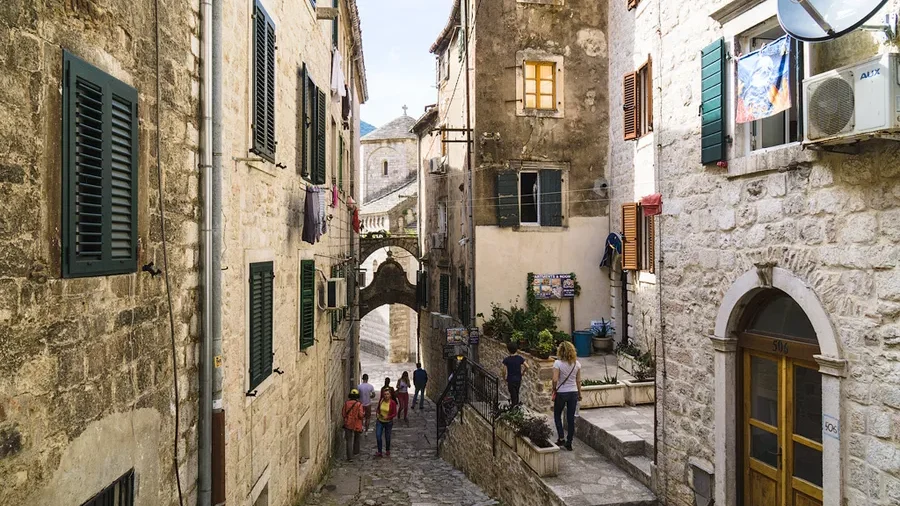
The Old Town of Kotor is a compact medieval quarter protected as a cultural heritage site, where the city’s key attractions and the best things to do in Kotor Old Town are concentrated within just a few hundred meters. A walking tour through its narrow streets, historic squares, and hidden courtyards is the quintessential Kotor experience—ideally beginning at the Sea Gate and ending at the scenic terraces along the city walls.
For up-to-date national regulations and general information, refer to the official Government of Montenegro portal.
Important: Kotor Old Town is open to visitors 24/7, but access to individual sites (museums, churches, city walls) is subject to opening hours and ticketing. For current flight schedules and arrivals, consult the official Airports of Montenegro website. For seasonal updates and official travel recommendations, refer to the National Tourism Organisation of Montenegro — montenegro.travel.
Location and How to Get There
Kotor Old Town is located at the foot of Mount Saint John, directly adjacent to the seaport and the main city entrance—Vrata od Mora (the Sea Gate). This is where both self-guided explorations and organized walking tours typically begin.
- From Tivat Airport: 7–8 km
- Taxi/private transfer: 15–30 minutes, approximately €20–35
- Bus: 20–40 minutes, approximately €3–5
- From Podgorica:
- Intercity bus: 2–2.5 hours, €8–12
- Private transfer/car: 1.5–2 hours, €80–120 per vehicle
- From Budva:
- Bus: 30–50 minutes, €4–6
- Taxi/car: 25–40 minutes, €25–40
- From the cruise port:
- Walking distance to the Sea Gate: 3–5 minutes
During peak season, allow an additional 30–60 minutes for traffic delays. Cruise passengers exploring things to do in Kotor from the port should plan at least 4–6 hours to cover the main attractions.
What to See
The most efficient way to explore Kotor Old Town is to follow a circular route—from the main gate through historic squares and landmarks, finishing near the access points to the city walls. Below is a suggested sequence that aligns with popular searches for things to do in Kotor and places to visit in Kotor.
- Sea Gate (Vrata od Mora) → Square of the Arms (Trg od Oružja):
The main entrance, featuring the Clock Tower and historic loggias—an iconic introduction to the city. - Flour Square (Trg od Brašna) and Stari Grad streets:
Stone façades, arches, and intimate courtyards—classic Old Town charm, perfect for photography. - St. Luke’s Square (Trg od Svetog Luke):
Home to St. Luke’s Church and St. Nicholas Church—an impressive blend of religious architecture from different eras within a single square. - Cathedral of Saint Tryphon:
The city’s principal cathedral and one of its most important landmarks. - Maritime Museum of Kotor:
Offers valuable insight into the region’s maritime trade and navigation history. - City walls (Kotor city walls) and the trailhead to San Giovanni Fortress:
The starting point for the climb to the best panoramic views of the Bay of Kotor.
Walking Distances Within the Old Town
| Segment | Distance | Walking Time | Notes |
|---|---|---|---|
| Sea Gate → Square of the Arms | 150–200 m | 3–5 min | Starting point for most tours |
| Square of the Arms → St. Luke’s Square | 250–300 m | 5–7 min | Narrow streets and small arcades |
| St. Luke’s Square → Cathedral of Saint Tryphon | 200–250 m | 4–6 min | Route through historic quarters |
| Cathedral → Maritime Museum | 150–200 m | 3–5 min | Short walk |
| Maritime Museum → City walls entrance | 300–400 m | 7–10 min | Follow signs “Fortress / San Giovanni” |
Tip: Start your walk before 10:00 AM or after 5:00 PM. This helps you avoid peak heat and tour group crowds, while also allowing for cleaner, crowd-free photos of the squares and historic façades.
Entrance Fees and Opening Hours
- Old Town (walking):
- Free of charge
- Open 24/7
- City walls and San Giovanni Fortress:
- €8–15 per person (seasonal variation)
- Typically open from sunrise to sunset; subject to weather conditions
- Cathedral of Saint Tryphon:
- €3–4
- Approximately 09:00–19:00 (partial interior access may be restricted during services)
- Maritime Museum of Kotor:
- €4–5
- Typically 09:00–18:00; extended hours until 19:00–20:00 in summer
- Guided Old Town tours (group):
- €10–20 per person for 1–1.5 hours
- Available daily, with more frequent departures in high season; usually start at the Sea Gate
Important: Opening hours and prices are subject to seasonal adjustments. Always check official updates via government and affiliated resources: Government of Montenegro, Airports of Montenegro, and the National Tourism Organisation — montenegro.travel.
A walk through Kotor Old Town fits seamlessly into any Kotor itinerary and effectively covers the core search intents—what to do in Kotor Montenegro, best things to do in Kotor Old Town, and top things to do in Kotor Montenegro. Within a single, well-paced loop, you can experience historic architecture, museums, atmospheric squares, and access to the best viewpoints over the bay—all without rushing.
2. Climbing the Kotor City Walls
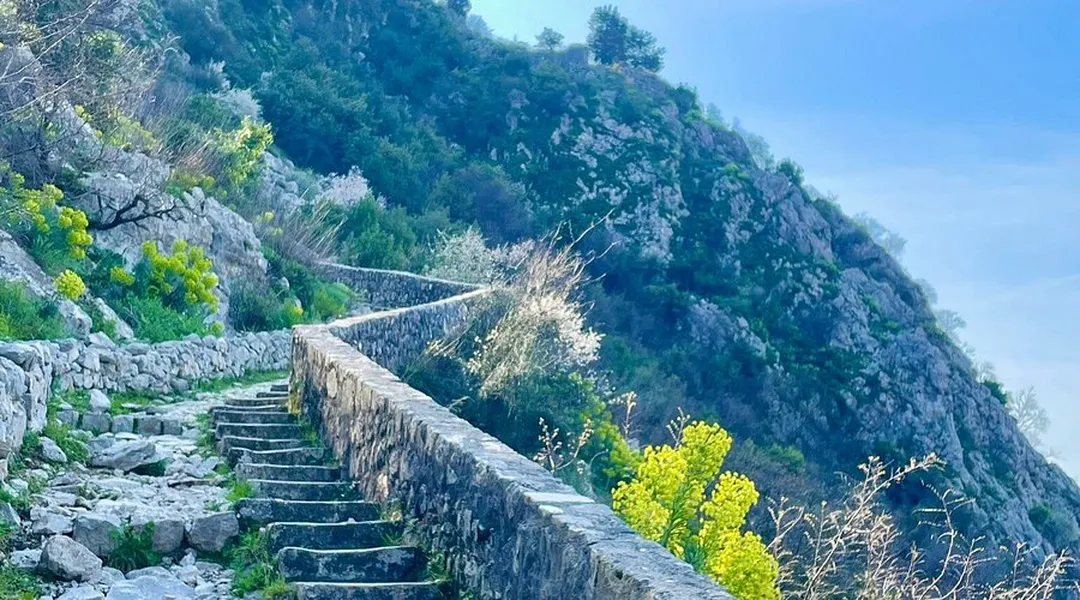
The Kotor city walls hike is one of the top things to do in Kotor, Montenegro. The route follows the medieval fortifications up to San Giovanni Fortress, offering some of the most breathtaking panoramic views of the Bay of Kotor. The trail is clearly marked, and access is provided through official entry points within Kotor Old Town.
For up-to-date seasonal recommendations and visitor guidelines, consult the official portals of the National Tourism Organisation of Montenegro — montenegro.travel — and the Government of Montenegro.
Important: This is a protected cultural heritage site. Use only official entrances and keep your ticket with you until you complete the route.
In cases of extreme heat or strong winds, access may be restricted by local authorities. Check for current updates on official resources — montenegro.travel.
Location and How to Get There
The official access points to the trail are located inside Kotor Old Town, just a 3–7 minute walk from the Sea Gate (Vrata od Mora). Signage marked “Fortress / San Giovanni” can be found near St. Luke’s Square and the Cathedral of Saint Tryphon.
Cruise passengers can begin the climb immediately after disembarking, while independent travelers can navigate easily from the main squares within the Old Town.
- From Tivat Airport → Kotor Old Town:
- Taxi/private transfer: 15–30 minutes, €20–35
- Bus: 20–40 minutes, €3–5
- From Budva → Kotor (bus station near Old Town gates):
- Bus: 30–50 minutes, €4–6
- From Podgorica → Kotor:
- Intercity bus: 2–2.5 hours, €8–12
During peak season, allow an additional 30–60 minutes for travel due to coastal traffic and cruise-related congestion.
Access Points Within the Old Town
| Starting Point | Landmark Inside Old Town | Time to Ticket Office / Trail Start | Notes |
|---|---|---|---|
| Sea Gate (port) | St. Luke’s Square | 5–7 min walk | Most common route for walking tours |
| Square of the Arms | “Fortress / San Giovanni” signs | 5–10 min walk | Easy navigation, high tourist traffic |
What You’ll See
- Medieval walls and bastions:
Preserved sections of the historic fortifications, complete with embrasures and scenic viewpoints—ideal for panoramic photography. - Church of Our Lady of Remedy:
A small but iconic chapel on the hillside, often used as a resting point during the climb. - Panoramic viewpoints:
Some of the best viewpoints in Kotor, offering sweeping views of the harbor, the Old Town’s red rooftops, and the surrounding mountain amphitheater leading toward Lovćen. - San Giovanni Fortress:
The final and most rewarding point of the ascent, featuring ruins of defensive structures and open platforms with flagpoles overlooking the bay. - Historical features along the route:
Water cisterns, stone retaining walls, and remnants of fortifications—illustrating the defensive system of the Adriatic coast.
Tip: Start your climb before 9:00 AM or after 5:00 PM to avoid peak heat and tour groups. Lighting conditions will also be more favorable for photography.
Entrance Fees and Practical Information
- Access to the walls and fortress:
- Fee: €8–15 per person (lower in the off-season, higher during peak periods)
- Hours: typically from sunrise to sunset; last entry is usually about 60 minutes before closing
- Payment: cash in euros is recommended, as card payments are not always accepted
- Water and refreshments:
- Bottled water in Old Town shops: €1–2 (0.5–1 L)
- Drinks from seasonal vendors along the trail: €3–5
- Guided tours (optional):
- Group tours: €10–20 per person (1–1.5 hours)
- Private guide: €50–100 per group, depending on season and language
Safety: Proper footwear with grip, a hat, and 1–1.5 liters of water per person are essential in warm weather. Handrails are not present throughout the route, and some steps can be slippery. Avoid climbing in rain or strong winds. Seasonal safety recommendations are available at montenegro.travel.
Approximate Climb Parameters
- Elevation gain: ~250–280 meters
- Distance (one way): ~1.2–1.7 km along steps and trails
- Duration: 35–60 minutes uphill, 25–45 minutes downhill (average fitness level)
Reminder: Unauthorized shortcuts, climbing over barriers, or bypassing official entrances is prohibited. Follow posted signs and staff instructions. Official notices regarding restrictions and cultural heritage protection are published on gov.me.
Climbing the Kotor city walls is a defining element of any Kotor sightseeing guide. In a single route, you experience the historical context of the fortifications, access some of the best viewpoints in Kotor, and capture the iconic postcard view of the bay. For the best experience, start early, check weather conditions in advance, and allow time for unhurried stops at the panoramic terraces along the way.
3. San Giovanni Fortress — The Best Viewpoint in Kotor
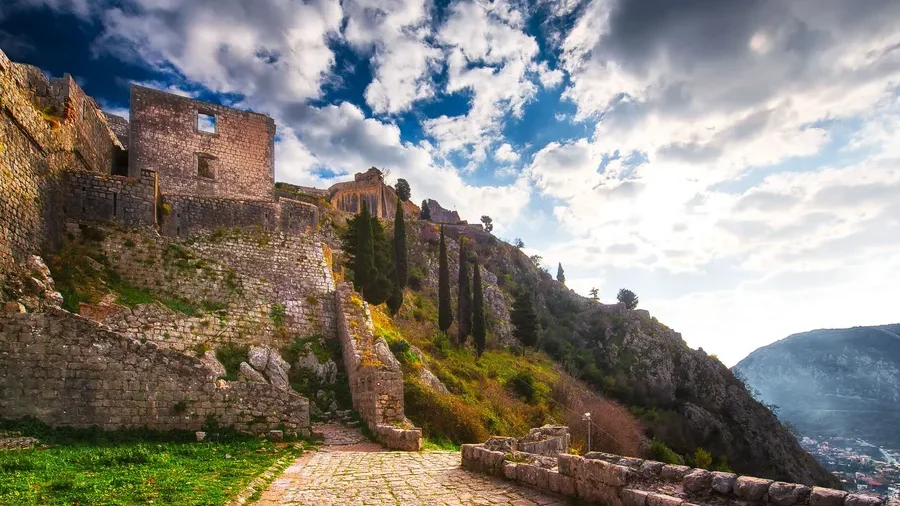
San Giovanni Fortress is the final destination along the medieval city walls and one of the top attractions in Kotor, Montenegro. From here, you are rewarded with a postcard-perfect panorama of the Bay of Kotor: the terracotta rooftops of the Old Town, the harbor with cruise ships, and the dramatic amphitheater of the Lovćen mountains.
To prepare for your visit and check for any seasonal restrictions, refer to the official tourism portal of Montenegro — the National Tourism Organisation (montenegro.travel) — as well as the official government portal for news and announcements.
Important: The fortress and city walls are protected cultural heritage sites. Access the climb only via official entrances within the Old Town, and keep your ticket with you until you complete the route.
Location and How to Get There
The fortress is positioned above the northeastern section of Kotor Old Town, at the highest point of the defensive system. Official trails begin inside the Old Town, clearly marked with “Fortress / San Giovanni” signage. From the Sea Gate and central squares, it takes approximately 5–10 minutes on foot to reach the ticket office and the start of the steps.
- From the port (cruise terminal) → Sea Gate → Fortress/San Giovanni signs:
5–12 minutes to the ticket office - From the Cathedral of Saint Tryphon → streets leading to the northeastern wall:
7–10 minutes to the ticket office - From St. Luke’s Square → marked trails toward the hillside:
5–8 minutes to the ticket office
Recommendation: Begin your ascent before 9:00 AM or after 5:00 PM to avoid heat and peak tourist crowds. During high season, short-term weather-related restrictions may apply—check updates on montenegro.travel and gov.me.
Access Points Within the Old Town
| Starting Point | Landmark | Time to Ticket Office | Notes |
|---|---|---|---|
| Sea Gate | Square of the Arms → Fortress signage | 5–7 min | Classic route for the Kotor city walls hike |
| Cathedral of Saint Tryphon | Northeastern wall | 7–10 min | Convenient after visiting the cathedral |
| St. Luke’s Square | Marked trails | 5–8 min | Less crowded option |
What to See
- Our Lady of Remedy Chapel:
A distinctive architectural landmark on the hillside and a convenient resting point midway through the climb. - Bastions and wall terraces:
Openings and embrasures offer framed views of the harbor and Old Town rooftops—among the best viewpoints in Kotor for panoramic shots without heavy crowds. - San Giovanni Fortress summit:
The final tier features ruins of casemates, a flagpole, and a viewing platform with sweeping 270-degree views over the bay and surrounding mountains. - Historic defensive elements:
Water cisterns, limestone retaining walls, and stepped passages form a living “encyclopedia” of medieval Adriatic fortifications.
Photography Reference Points
| Location | Elevation | View | Best Time |
|---|---|---|---|
| Lower bastion terraces | ~50–80 m | Old Town rooftops and port | Morning (soft light) |
| Our Lady of Remedy | ~100–120 m | Zigzagging walls, harbor, lagoon | Before 10:00 / after 17:00 |
| Fortress summit | ~250–280 m | 270° panorama of the Bay of Kotor | Sunset and blue hour |
Photography tip: A wide-angle lens (24–28 mm equivalent) combined with a polarizing filter will help enhance stone textures and bring out the depth of the sky over the bay.
Entrance Fees and Opening Hours
- Climbing access (official entrances):
- Fee: €8–15 per person (lower in the off-season, higher in peak months)
- Hours: approximately sunrise to sunset; last entry is typically about 60 minutes before closing
- Payment: cash in euros is recommended, as card terminals may be unreliable
- Time and physical effort:
- Average ascent time: 35–60 minutes up, 25–45 minutes down (moderate fitness level)
- Elevation gain: ~250–280 meters; includes approximately 1,300–1,400 steps along stone paths
- Additional expenses:
- Water: €1–2 in Old Town shops; €3–5 from seasonal vendors along the route
- Guided tours: €10–20 per person (group); €50–100 per group (private guide), depending on season and language
Safety: Wear closed, sturdy footwear, a hat, and carry 1–1.5 liters of water per person. Avoid the climb in rain or strong winds. Real-time advisories are published on montenegro.travel and gov.me.
San Giovanni Fortress is a key highlight for anyone searching what to see in Kotor in one day and ranks among the must-see places in Kotor, Montenegro. The climb combines the historical narrative of the city’s fortifications with the most spectacular vantage points over the bay. For the best experience, plan your ascent either early in the morning or during the golden hour before sunset—when both the views and the lighting are at their finest.
4. Cathedral of Saint Tryphon — The Iconic View of Kotor
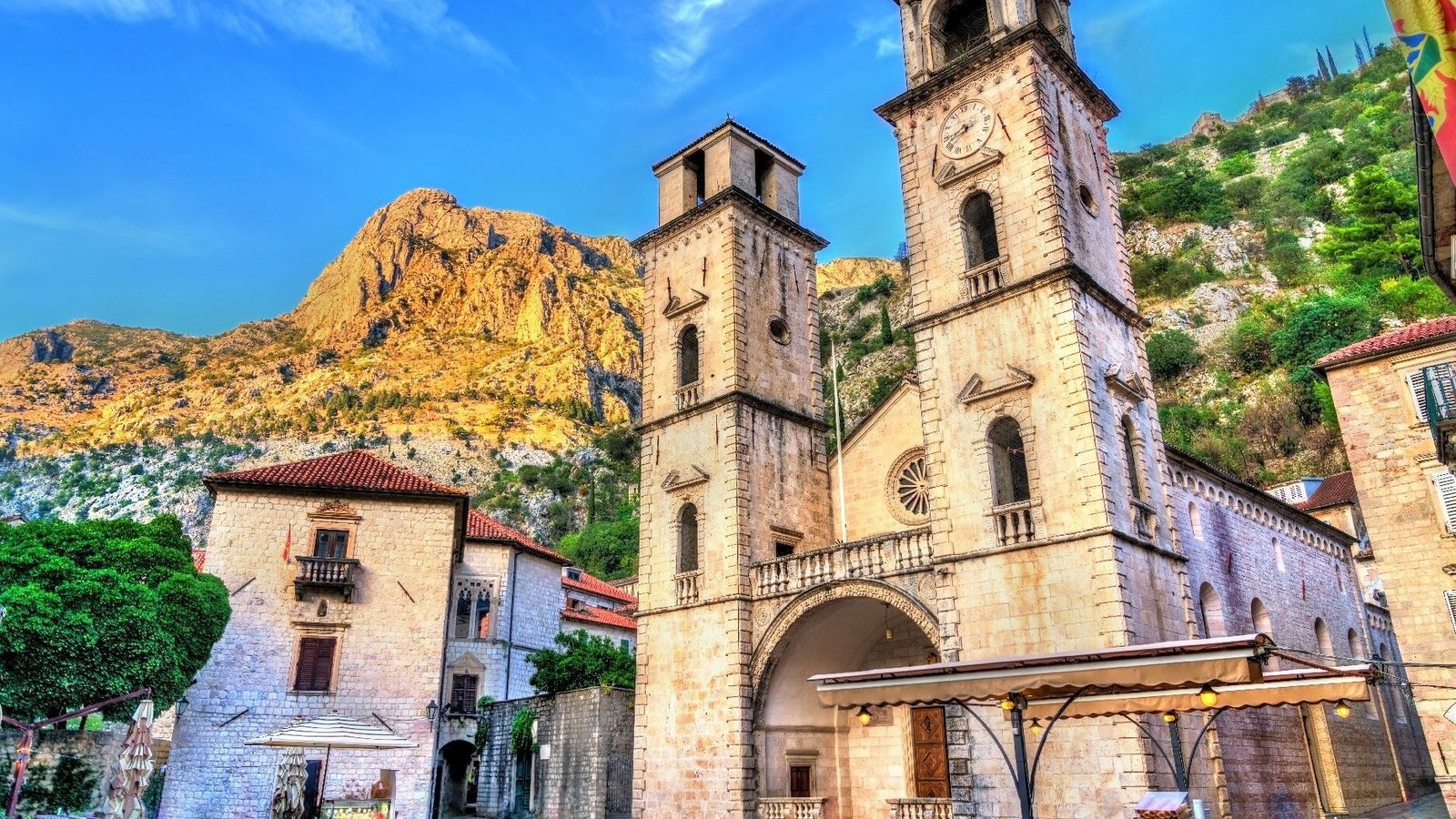
The Cathedral of Saint Tryphon (Kotor Cathedral of Saint Tryphon) is the principal religious landmark and architectural symbol of Kotor Old Town, as well as one of the city’s key attractions. Built in 1166 and reconstructed after multiple earthquakes, it combines a Romanesque foundation with Gothic elements and Baroque bell towers.
For many visitors, it represents the very heart of the best things to do in Kotor Old Town. The square in front of the cathedral offers one of the most recognizable “postcard” views of the city—its twin towers framed against the fortress walls and the mountains rising above the bay.
Important: The cathedral is an active Catholic church and part of Kotor’s protected medieval heritage complex. Before visiting, it is recommended to check for seasonal restrictions and announcements on official resources — the National Tourism Organisation of Montenegro and the Government of Montenegro.
Location and How to Get There
The cathedral is located in the heart of the Old Town, on St. Tryphon Square (Trg Sv. Tripuna), just a 4–6 minute walk from the Sea Gate (Vrata od Mora). Navigation within the historic center is intuitive: from the main entrance, simply follow signs toward Trg Sv. Tripuna.
- From the port (cruise terminal) → Sea Gate → St. Tryphon Square:
5–8 minutes on foot - From Kotor bus station → Old Town main gate:
12–18 minutes on foot - From Tivat Airport:
- Taxi/private transfer: 15–30 minutes, approximately €20–35, plus a 5–8 minute walk to the cathedral
- Bus: 20–40 minutes (€3–5) to Kotor bus station, followed by a short walk
During peak season, the Old Town experiences heavy flows of cruise groups. Plan your visit before 10:00 AM or after 5:00 PM to explore the interior without crowds.
What to See
- Façade and twin towers:
A rare Adriatic composition combining Romanesque structure with Baroque upper sections—one of the defining visual icons of Kotor. - Interior spaces:
A three-nave layout featuring chapels, fragments of 14th-century frescoes, stone capitals, and decorative rosettes. - Treasury and reliquary collection:
Silver reliquaries and votive offerings associated with the cult of Saint Tryphon, offering valuable insight into Kotor’s role in the medieval Adriatic. - Altars and stone carvings:
Fine examples of the fusion of Romanesque and Baroque artistic traditions typical of the region. - Cathedral square:
Widely considered the “best view of Kotor” within the urban setting—capturing the cathedral towers framed by fortress walls and mountain backdrops. A must-see location for photography.
Quick Viewing Guide
| Feature | Key Highlights | What to Look For | Recommended Time |
|---|---|---|---|
| Façade and towers | Blend of Romanesque and Baroque | Portal, arcades, coats of arms | Morning / after 5 PM (soft light) |
| Main nave | Historic layout | Capitals, fresco fragments | 15–20 minutes |
| Treasury | Reliquaries, liturgical objects | Kotor goldsmith craftsmanship | 15–25 minutes |
| Cathedral square | Iconic photo spot | Towers + fortress/mountains | Sunset / blue hour |
Note: Visitor access to the bell tower is generally restricted. The best city views are from the square and surrounding streets, while full panoramic views of the bay can be enjoyed from San Giovanni Fortress.
Entrance Fees and Opening Hours
- Cathedral and museum areas:
- Fee: €3–4 per person
- Hours: approximately 09:00–19:00 (shorter in winter); access to certain areas may be restricted during services
- Payment: cash in euros is recommended, as card terminals may not always be reliable
- Guided visits:
- Group tours (on request): €10–20 per person for 45–60 minutes, including an overview of the exhibits
- Private guide: €50–90 per group, depending on language and season
- Additional expenses:
- Candles/donations: €1–3
- Printed materials (booklets/guides): €2–5
Important: Opening hours and pricing may vary depending on the season and the church calendar. Always verify current information on montenegro.travel and gov.me.
The Cathedral of Saint Tryphon is an essential stop in any Kotor travel guide and ranks among the top attractions in Kotor, Montenegro. Include it in your one-day Kotor itinerary: exploring the façade, interior, and treasury can comfortably be done in 40–60 minutes, leaving time to capture photos of the square—where you’ll find one of the most iconic “best views of Kotor” within the city itself.
5. Maritime Museum of Kotor — Understanding the City Beyond the Views
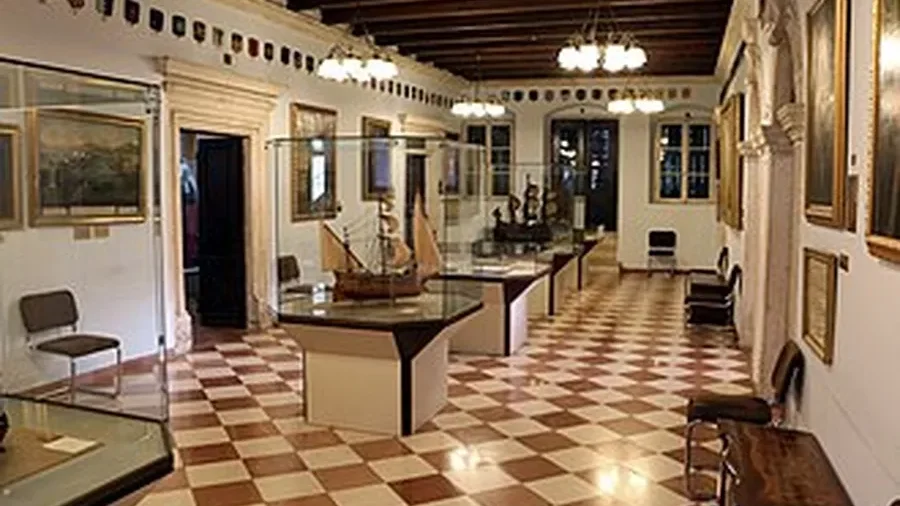
The Maritime Museum of Kotor is a key cultural landmark in the historic core of Kotor Old Town. Housed in the Baroque Grgurina Palace, its exhibition traces the maritime history of the Bay of Kotor—from nautical charts and navigation manuals to detailed ship models and the ceremonial uniforms of the Bokelj Navy.
It is an essential stop for travelers planning the best things to do in Kotor and looking for meaningful cultural experiences within a single walkable route. For seasonal updates and national travel recommendations, refer to the official tourism portal of Montenegro — the National Tourism Organisation — and the government information portal.
Important: The museum is located within the protected medieval zone of Kotor, a designated cultural heritage site. Before visiting, check current opening hours and any special conditions on montenegro.travel and gov.me.
Location and How to Get There
The museum is located in the Baroque Grgurina Palace (Palata Grgurina) within the Old Town, just a 4–6 minute walk from the Sea Gate (Vrata od Mora). Navigation is straightforward: from the main entrance to Kotor Old Town, follow signs marked “Museum / Maritime Museum” through the Square of the Arms and surrounding streets.
- From the port (cruise terminal) → Sea Gate → Maritime Museum:
5–8 minutes on foot - From Kotor bus station → Old Town main gate → museum:
12–18 minutes on foot - From Tivat Airport:
- Taxi/private transfer: 15–30 minutes, approximately €20–35, followed by a 5–8 minute walk
- Bus to Kotor: 20–40 minutes (€3–5), followed by a short walk using Old Town signage
Access Overview
| Route | Travel Time | Approximate Cost | Notes |
|---|---|---|---|
| Port → Maritime Museum | 5–8 min walk | €0 | Direct access into Old Town |
| Bus station → Sea Gate → museum | 12–18 min walk | €0 | Convenient for independent travelers |
| Tivat Airport → Kotor (taxi) | 15–30 min | €20–35 | Fast and direct |
| Tivat Airport → Kotor (bus) | 20–40 min | €3–5 | Budget-friendly option |
Timing tip: Visit right at opening or after 4:30 PM to avoid peak tour groups and explore the exhibits at a comfortable pace.
What to See
The museum offers a coherent narrative of the region’s maritime heritage, making it a natural complement to a Kotor itinerary alongside the Cathedral of Saint Tryphon and the city walls hike.
- Grgurina Palace interiors:
Baroque architectural details, including stucco work, stone masonry, and a grand staircase. - Ship models and navigation instruments:
Frigates and brigs from the 18th–19th centuries, alongside sextants, compasses, and navigational tools. - Bokelj Navy (Bokeljska mornarica):
Uniforms, banners, photographs, and archival materials from one of the oldest maritime brotherhoods in the Adriatic. - Maps, charts, and archives:
Rare Adriatic maps, ship logs, and correspondence from shipowners. - Naval section:
Weapons, shipboard equipment, and maritime artifacts highlighting the defensive history of the region. - Portrait gallery:
Shipowners, captains, and benefactors—offering a personal dimension to Kotor’s maritime legacy.
Exhibition Guide
| Section | Key Exhibits | Suggested Time | Notes |
|---|---|---|---|
| Bay of Kotor maritime history | Ship models, portraits | 15–20 min | Introduction to regional context |
| Navigation and cartography | Sextants, compasses, maps | 15–25 min | Engaging for families and enthusiasts |
| Bokelj Navy | Uniforms, banners, documents | 10–15 min | Cultural heritage highlight |
| Naval history | Weapons, service artifacts | 10–15 min | Focus on defensive history |
Note: The museum itself is not a viewpoint. However, after your visit, take a 2–3 minute walk to the waterfront near the Sea Gate—this is where you’ll find one of the best urban views of Kotor, with historic façades and the line of the city walls.
Entrance Fees and Opening Hours
- Tickets:
- Adults: €4–5
- Children/concessions: €2–3
- Family ticket (2+2): €10–12
- Additional options:
- Booklets/guides: €2–5
- Audio guide or guided tour (on request): €10–20 per person (group); €50–90 per group (private guide)
- Opening hours:
- Typically: 09:00–18:00
- Summer: extended hours until 19:00–20:00
- Winter/holidays: reduced schedule; occasional closures possible
- Payment: cash in euros is recommended, as card terminals may not always be reliable
Important: Opening hours and pricing may vary depending on the season and museum schedule. Always verify updates on montenegro.travel and official announcements on gov.me.
The Maritime Museum is a natural addition to any Kotor travel guide and lists of places to visit in Kotor. It adds historical depth to the experience of exploring the Old Town and climbing to San Giovanni Fortress.
An optimal one-day itinerary might look like this: a morning visit to the museum → Cathedral of Saint Tryphon → an evening climb to the city walls at sunset. This combination gives you both cultural insight and that iconic “best view of Kotor.”
How to See Kotor in One Day
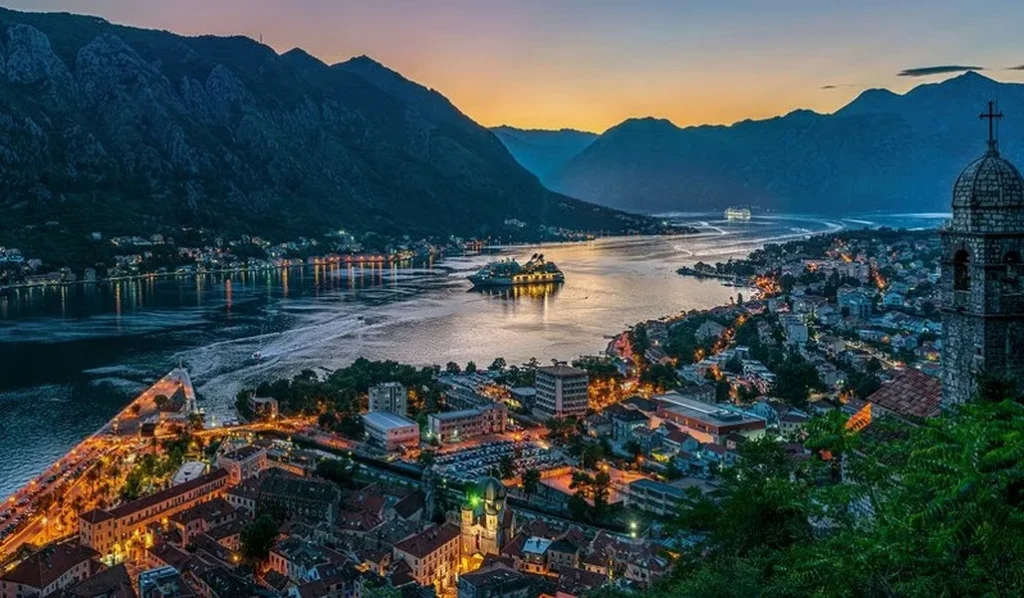
One day in Kotor is enough to cover the city’s key highlights: a walk through Kotor Old Town, visits to the Cathedral of Saint Tryphon and the Maritime Museum, and a climb along the city walls to San Giovanni Fortress. Together, this creates a compact yet complete “what to see in Kotor in one day” experience, featuring the best viewpoints over the Bay of Kotor.
Below is a streamlined Kotor itinerary with time slots, approximate costs in euros, and practical logistics.
Important: Plan an early start (before 9:00 AM) and aim for the “golden hour” at sunset for viewpoints—this will help you avoid heat and crowds while capturing the best photos.
Getting There and Where to Start
The ideal starting point is the Sea Gate (Vrata od Mora). Cruise passengers can reach it within 3–5 minutes on foot from the terminal. Independent travelers will find it most convenient to fly into Tivat and continue to the Old Town by taxi or bus.
- Flight schedules and airport information: official Airports of Montenegro website — montenegroairports.com
- Seasonal travel tips and tourism updates: National Tourism Organisation of Montenegro — montenegro.travel
- Official announcements and potential restrictions: Government of Montenegro — gov.me
Approximate one-way travel time and cost:
- Tivat Airport → Kotor: taxi 15–30 minutes (€20–35); bus 20–40 minutes (€3–5)
- Budva → Kotor: bus 30–50 minutes (€4–6)
- Podgorica → Kotor: bus 2–2.5 hours (€8–12)
- Cruise port → Sea Gate: 3–5 minutes on foot (€0)
Note: In summer, allow an additional 30–60 minutes for travel due to traffic and cruise-related congestion.
Hourly Itinerary (What to See in Kotor in One Day)
| Time | Location | Activity | Approx. € | Notes |
|---|---|---|---|---|
| 08:30–09:00 | Sea Gate → Square of the Arms | Start Kotor walking tour | €0 | Facades, Clock Tower photos |
| 09:00–09:40 | Cathedral of Saint Tryphon | Explore interiors and treasury | €3–4 | Best visited at opening |
| 09:45–10:30 | Maritime Museum | Visit Grgurina Palace exhibition | €4–5 | Ship models, navigation artifacts |
| 10:40–12:00 | Old Town | Wander narrow streets and courtyards | €0 | Classic “medieval town of Kotor” shots |
| 12:00–13:30 | Waterfront | Lunch and rest | €10–20 | Average per person |
| Optional 13:45–15:30 | Perast / Our Lady of the Rocks | Short boat trip | €10–25 | One of the best day trips from Kotor (weather permitting) |
| 16:30–18:30 | City walls → San Giovanni Fortress | Kotor city walls hike | €8–15 | Final “best viewpoint in Kotor” |
| After 19:00 | Waterfront / squares | Dinner and evening photos | €12–25 | Blue hour over the bay |
For shorter visits (4–6 hours, typical for cruise stops): Old Town → cathedral → museum → partial wall climb → waterfront — an efficient way to cover the must-see places in Kotor without rushing.
One-Day Budget (per person)
- Entrance fees:
- City walls/fortress: €8–15
- Cathedral: €3–4
- Maritime Museum: €4–5
→ Total: €15–24 - Food:
- Lunch: €10–20
- Dinner: €12–25
→ Total: €22–45 - Transport (if needed):
- Tivat–Kotor bus: €3–5
- Taxi: €20–35 (one way)
- Optional boat trip (Perast / Our Lady of the Rocks): €10–25
→ Total: €37–69 without the boat trip; €47–94 with the boat trip
Important: Payments along the trail and in some museums may be cash-only in euros. It’s advisable to carry sufficient cash.
Key Opening Hours (Seasonal)
- City walls / fortress:
Approx. sunrise to sunset; last entry about 60 minutes before closing - Cathedral of Saint Tryphon:
Typically 09:00–19:00; access to certain areas may be restricted during services - Maritime Museum:
09:00–18:00; extended to 19:00–20:00 in summer - Boat tours in the bay:
Every 20–40 minutes in high season; reduced frequency in the off-season depending on weather
It is recommended to check current opening hours and any restrictions before your visit on montenegro.travel and gov.me. For flight planning, refer to montenegroairports.com.
Practical Tips (Kotor Montenegro Travel Tips)
- Clothing and water: Wear sturdy closed shoes with grip, a hat, and carry 1–1.5 liters of water per person during warm weather.
- Best time for photos: Squares are best photographed in the morning or after 5:00 PM; panoramic views of the bay are ideal at sunset.
- Navigation: Inside Kotor Old Town, follow signs for “Cathedral / Museum / Fortress.”
- Crowds: Visit the cathedral and museum at opening time; start the climb before 9:00 AM or after 4:30 PM.
- Time buffer: Allow an extra 15–20 minutes for ticket lines and photo stops at viewpoints.
- Heat alternative: In high temperatures, consider a partial climb—up to the Our Lady of Remedy chapel, where you’ll already find excellent viewpoints.
This one-day Kotor itinerary allows you to combine history, culture, and panoramic viewpoints into a well-balanced experience—delivering the essence of the city without unnecessary rushing.
When Is the Best Time to Visit Kotor
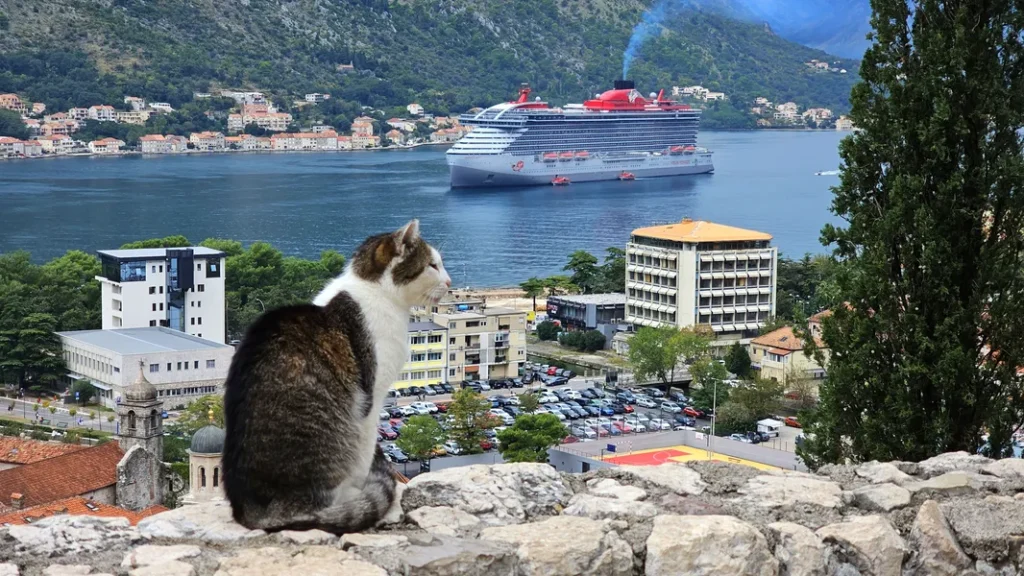
The ideal time to visit Kotor depends on your priorities: beach relaxation, panoramic views of the Bay of Kotor, peaceful walks through Kotor Old Town, or a vibrant calendar of events. The Adriatic climate is generally mild, with hot, dry summers and wetter winters.
When planning your trip, it’s advisable to consult official seasonal updates and announcements: flight schedules are available on the Airports of Montenegro website, tourism recommendations and events can be found on the National Tourism Organisation of Montenegro portal, and government notices are published on the Government of Montenegro website.
Important: The best balance of weather, prices, and fewer crowds is typically found in late April–May and September–early October. During these months, it’s comfortable to explore the Old Town and hike up to San Giovanni Fortress, while accommodation prices remain lower than in peak season.
Summer vs. Shoulder Season
- Summer (June–August)
- Weather: daytime temperatures of 27–33°C; sea temperature 23–27°C; minimal rainfall
- Pros: ideal conditions for swimming, lively evening festivals, extended opening hours for museums and tours
- Cons: high demand and accommodation prices (+20–40% compared to shoulder season), heavy cruise traffic, intense heat during the climb along the city walls
- For photography: sunset at San Giovanni Fortress offers a classic golden hour with soft light and clear visibility
- Shoulder Season (April–May, September–October)
- Weather: daytime temperatures of 18–26°C; sea temperature ~18–20°C in May and 22–24°C in September
- Pros: fewer crowds, comfortable conditions for exploring Kotor attractions, moderate prices for accommodation and services
- Cons: some boat routes and events may operate on a reduced schedule
- For photography: clean morning façades in the Old Town without crowds, crisp panoramic views of the bay
Tip: In summer, the temperature on the stone steps of the city walls often feels significantly hotter than the actual air temperature. Plan your climb before 9:00 AM or after 5:00 PM.
Winter: Quiet Atmosphere and Lower Costs
- Winter (November–March)
- Weather: daytime temperatures of 8–14°C; higher likelihood of rain (peak precipitation in November–December)
- Pros: minimal tourist traffic, accommodation prices reduced by 30–50%, relaxed museum visits
- Cons: shorter opening hours for attractions, some tours unavailable, possible weather-related restrictions on climbing to the fortress
- Travel style: best suited for a quiet city break focused on museums, gastronomy, and short waterfront walks
Morning or Sunset — When Is It Most Beautiful?
- Kotor Old Town
- Morning: soft light for photographing the façades of the Square of the Arms and the Cathedral of Saint Tryphon; fewer tour groups
- Evening: the “blue hour” highlights the texture of the stone architecture, with a pleasant atmosphere for cafés in the squares
- San Giovanni Fortress
- Sunrise: a calm ascent, clear horizons, and backlighting over the bay
- Sunset: the most popular time for capturing the best viewpoints in Kotor; allow 35–60 minutes for the climb and plan accordingly
Important: Sunset times vary significantly—around 16:20–16:40 in winter and up to 20:30–21:00 in summer. Adjust your timing to avoid descending in the dark.
Seasonal Costs (Approximate, per Person)
| Expense | High Season (June–August) | Shoulder Season (Apr–May, Sep–Oct) | Low Season (Nov–Mar) |
|---|---|---|---|
| Hotel 3–4★ in Old Town (per night) | €90–160 | €65–110 | €45–80 |
| Apartments (per night) | €70–120 | €50–85 | €35–65 |
| Car rental (per day) | €35–60 | €25–45 | €20–40 |
| Taxi Tivat → Kotor (one way) | €25–35 | €20–30 | €20–30 |
| Boat to Perast / Our Lady of the Rocks | €15–25 | €10–20 | On request / weather-dependent |
| City walls / fortress entrance | €10–15 | €8–12 | May be waived if ticket offices are closed |
| Lunch in a café | €12–22 | €10–18 | €10–16 |
Note: For up-to-date flight schedules and seasonal transport information, check the Airports of Montenegro website. Tourism updates and seasonal recommendations are available via the National Tourism Organisation, while official notices are published on the Government of Montenegro portal.
Practical Recommendations (Kotor Montenegro Travel Tips)
- Booking: In July–August, reserve accommodation 6–10 weeks in advance; in shoulder season, 2–4 weeks is usually sufficient.
- Start time: For the fortress climb, begin before 9:00 AM or after 5:00 PM; bring 1–1.5 liters of water and wear proper footwear.
- One-day itinerary: A compact 8–10 hour route includes Kotor Old Town, the Cathedral of Saint Tryphon, the Maritime Museum, and a climb along the city walls to San Giovanni Fortress.
- Weather and safety: During rainy periods, temporary restrictions on the trail are possible—check official announcements on the Government portal and seasonal guidance on the national tourism website.
- Cruise days: On days with cruise arrivals, plan key visits early in the morning or later in the evening to avoid peak crowds.
Choosing the right time to visit Kotor can significantly enhance your experience—whether you’re seeking vibrant summer energy or the quieter charm of the shoulder seasons, the city offers a compelling balance of history, scenery, and atmosphere year-round.
Why Kotor Is Not Just a Tourist Destination, but a Place to Live
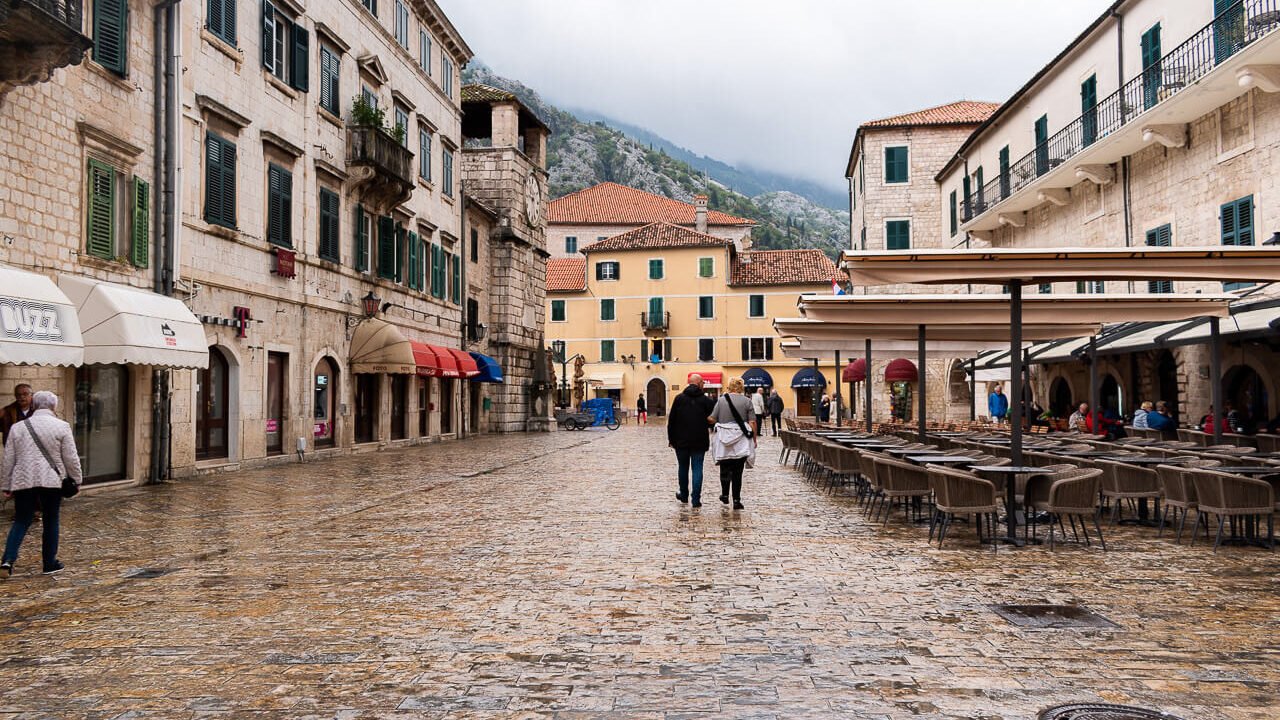
Kotor attracts not only as a UNESCO-listed site and a hub of top Kotor attractions, but also as a comfortable place for year-round living. The Adriatic climate is mild, the infrastructure is compact, airport access is convenient, and the overall pace of life in the bay is calm and balanced.
Within a 5–25 minute radius, you’ll find schools, healthcare facilities, supermarkets, farmers’ markets, low-rise residential developments, and waterfront promenades ideal for daily walks. Just outside the Old Town, modern residential complexes are actively being developed—offering a practical alternative to historic properties, which often come with restoration restrictions.
Important: New developments within the Old Town walls are virtually nonexistent due to its protected heritage status. Most properties are located in nearby areas such as Dobrota, Muo, Prčanj, Škaljari, Orahovac, Morinj, and toward Tivat.
For travel logistics and flight planning, use the official Airports of Montenegro website. Government regulations, services, and official notices are available on the Government of Montenegro portal. Seasonal lifestyle and coastal living insights can be found on the national tourism portal.
Location and Accessibility
Kotor is situated deep within the Bay of Kotor, approximately 7–8 km from Tivat Airport and around 90 km from Podgorica. Coastal connections to Budva and Tivat are short and convenient, making everyday travel and access to services straightforward.
- Tivat Airport → Kotor:
15–30 minutes by car/taxi (€20–35); bus 20–40 minutes (€3–5) - Podgorica → Kotor:
Bus 2–2.5 hours (€8–12); car/transfer 1.5–2 hours - Budva → Kotor:
Bus 30–50 minutes (€4–6); car 25–40 minutes - Old Town → residential areas (Dobrota / Muo / Prčanj / Škaljari):
5–15 minutes by car; 15–40 minutes on foot depending on location
Note: In summer and on cruise ship days, allow an additional 30–60 minutes due to traffic and increased visitor flow.
Where to Live: Key Areas and New Developments
Below is an overview of residential areas and types of new developments worth considering for relocation. The table helps align property types, budgets, and accessibility.
| Location (10–25 min from Old Town) | Development Type | New Build Price Range (€/m²) | Accessibility & Infrastructure |
|---|---|---|---|
| Dobrota | Low-rise complexes, sea-view terraces | 2,800–4,200 | 5–10 min to center; waterfront, supermarkets, schools within 10–15 min |
| Muo | Boutique residences, waterfront apartments | 2,700–4,000 | Quiet area; 5–8 min to Old Town by car; local markets and cafés |
| Prčanj / Stoliv | Boutique low-rise projects (2–4 floors) | 2,600–3,800 | Waterfront, beaches; 10–15 min to center |
| Škaljari | Urban apartments, townhouses | 2,400–3,500 | Walkable to Old Town (15–25 min); schools and supermarkets nearby |
| Orahovac / Morinj | Residential complexes with pools, serviced apartments | 2,300–3,600 | 20–25 min to Kotor; quieter, greener; beach access |
| Tivat (Donja Lastva / Luštica) | Premium residences, resort-style communities | 4,000–7,000+ | 5–15 min to airport; restaurants, marinas, high demand |
Important: Strict restoration regulations apply within the Old Town. New developments are concentrated outside the walls, offering better energy efficiency, elevators, parking, and modern infrastructure.
Costs and Ownership Expenses
Indicative costs for purchasing and owning property (per unit):
- New developments:
- Price: see ranges above (typically €2,400–4,200 per m² near Kotor Bay; premium properties are higher)
- VAT: usually included in the price when buying from a developer (confirm in the contract)
- Secondary market:
- Property transfer tax: typically 3% of the contract value
- Additional transaction costs:
- Notary: approximately €150–600 (depending on property value and scope)
- Title registration/cadastre: approximately €20–60
- Translations/apostilles (if required): €20–40 per page
- Agency commission: typically 3–5% (subject to agreement)
- Monthly ownership costs:
- Utilities (electricity, water, waste): €70–140/month for a 45–70 m² apartment (seasonal variation)
- HOA/service fees in residential complexes: €0.8–2.5 per m²/month (depending on amenities such as pools or reception)
- Internet: €15–25/month
Tip: Foreign property owners may be eligible for temporary residence permits (residency by ownership). Requirements and procedures should be confirmed via the Government of Montenegro portal. This is not legal advice; regulations may change.
The result is a rare combination of daily comfort and long-term investment value—something not easily found along the European coastline.
Residential complexes in Montenegro



Kotor has a way of captivating you from the very first step. The narrow streets of the Old Town, the sound of bells ringing near the Cathedral of Saint Tryphon, the rich maritime history preserved in the halls of the Maritime Museum, and the final ascent to San Giovanni Fortress with its iconic “postcard” view over the Bay of Kotor—all come together into a memorable experience.
In just one day, you can cover the essential things to do in Kotor: explore Kotor Old Town, step inside the cathedral’s treasury, discover the seafaring heritage of the Adriatic, and watch the sunset from the city walls—arguably the best moment to capture photos from Kotor’s most breathtaking viewpoints.
And if Kotor truly wins you over, the story doesn’t end with tourism. Beyond the sightseeing routes, the city offers a different dimension: peaceful waterfront neighborhoods, modern residential developments near the Old Town, quick access to Tivat Airport, and straightforward connectivity along the coast. All of this makes Kotor not just a weekend destination, but a comfortable place to live and a compelling location for investment.
Leave a request on our website, and we’ll help you find the right property in Kotor and the surrounding areas tailored to your goals. We organize both online and in-person viewings, conduct full developer and document checks, and guide you through the entire transaction from start to finish.
 Real estate in Georgia
 Real estate in Cyprus
 Real estate in the UAE
 Real estate in Bali
 Real estate in Thailand
 Real estate in Spain
 Real estate in Saudi Arabia
 Real estate in Turkey
 Real estate in Zanzibar
 +382 60 099359
 hello@residence-estate.me
 The Old Bakery Residences, Budva 85310, Montenegro



 Get catalogue of TOP-7 objects