
 +382 60 099359




Parking is limited in summer and costs €2–3/hour at municipal lots. Buses between Budva and Petrovac/Bar run regularly, with tickets priced at €2–3. A taxi from Sveti Stefan to Budva costs €8–12 during the day. Seasonal car rentals range from €35–70/day.
Sveti Stefan, Montenegro — Where It Is and Why Everyone’s Talking About It
Sveti Stefan is the most iconic landmark of the Budva Riviera — a small, fortified islet-peninsula in the Adriatic Sea, connected to the mainland by a narrow sand-and-pebble causeway. Once a humble fishing village, today it’s a symbol of Montenegro featured on postcards and in tourism campaigns. Transformed into a luxury resort, Sveti Stefan attracts travelers, investors, and anyone dreaming of life by the sea.
Quick fact: Sveti Stefan is part of the Budva Municipality, located just 6–7 kilometers southeast of Budva and approximately a 30–40-minute drive from Tivat Airport.
Geography and Location
Sveti Stefan sits on the central stretch of Montenegro’s Adriatic coastline. The islet is connected to the mainland by a pedestrian-only causeway, flanked by two beaches — a public beach and the exclusive shoreline of a luxury hotel. Coordinates: 42.256° N, 18.891° E.
Here’s a quick guide to travel distances and logistics:
| Departure Point | Distance / Travel Time | Transportation Options | Approximate Cost |
|---|---|---|---|
| Budva (city center) | 6–7 km / 10–15 minutes | Car, taxi, or bus via E80/E65 highway | Taxi: €8–12; Bus: €2–3 |
| Tivat Airport (TIV) | 28–30 km / 35–45 minutes | Car/taxi via Budva | Taxi: €35–60 (in season) |
| Podgorica Airport (TGD) | 55–60 km / 1–1.5 hours | Car/taxi via Cetinje or coastal route | Taxi: €70–110 |
Navigation tip: Updated maps and coastal guidance are available via the Montenegro National Tourism Organization. It’s highly recommended to check routes and parking availability ahead of time, especially during the high season.
From Fortress Village to Luxury Island Resort
The history of Sveti Stefan dates back to the Middle Ages, when it was established as a fortified settlement by the Paštrovići — a local clan defending the coastline from pirate and Ottoman incursions. Until the mid-20th century, the islet remained a quiet fishing community.
In the 1950s and ’60s, during Yugoslavia’s tourism boom, the village underwent a dramatic transformation into a one-of-a-kind “island hotel.” Dozens of stone houses were carefully restored and repurposed to host high-profile guests.
In the 21st century, the complex was modernized again through a partnership with a global hotel operator. Today, resort management, public access policies, and beach regulations are jointly overseen by the property owners and Montenegrin authorities — with key decisions guided by the Ministry of Economic Development and Tourism.
Important: Access to the island and hotel-affiliated beach is subject to change based on the resort’s operational model and government agreements. Always check the latest public access guidelines on official platforms before your visit.
Why Sveti Stefan Remains a Global Hotspot
Today, Sveti Stefan represents a rare blend of historic architecture, fragrant pine groves of the adjacent Miločer Park, and sweeping views of the Adriatic coastline. The destination is a favorite for photo shoots and international events. Visitors come for its curated pebble beaches and scenic promenades.
Key details for visitors:
- Beaches: The left side of the causeway is traditionally public; the right side belongs to the luxury hotel (access rules may vary). During peak season, two loungers and an umbrella on the public beach typically cost €20–40 per day. In the hotel’s exclusive “royal” zones, prices range from €80–150 per set.
- Parking: Parking is limited in the village during summer. Paid municipal lots are available, generally costing €2–3 per hour.
- Scenic viewpoints: The best photo angles are from the seaside promenade through Miločer Park and from the lookout points on the Budva approach road.
In summary: Sveti Stefan is far more than a postcard-perfect island — it’s a nationally significant heritage resort. With its premium location, stunning natural surroundings, and tightly controlled development, it remains a year-round magnet for tourists and investors alike.
What It’s Like to Live in Sveti Stefan: Climate, Seasonality, and Local Atmosphere

Sveti Stefan is a small coastal resort town within the Budva municipality, known for its mild Mediterranean climate, pronounced seasonality, and a serene, almost intimate atmosphere outside the summer months. It’s best suited for those who value peace and quiet by the sea and are comfortable with limited infrastructure in winter—balanced against high demand and elevated costs during peak tourist season.
Good to know: Sveti Stefan is part of the Budva Municipality, and most essential services—banks, medical clinics, large supermarkets, and children’s activities—are located in Budva proper, about 6–7 km away. Residents typically commute there for day-to-day needs.
Climate and Seasonal Variations
Sveti Stefan enjoys a classic Mediterranean climate with mild, rainy winters and dry, sunny summers. According to the Montenegrin Hydrometeorological Institute, the Budva coast receives approximately 230–250 days of sunshine per year, with the wettest months typically being November and December. Sea breezes are common in summer, while winter may bring bursts of cold north winds (bora) or warm southern gusts (jugo).
- Average daytime temperatures: January +10–12°C; July–August +29–33°C
- Sea temperatures: May ~+19–20°C, August ~+25–27°C, November ~+18°C, February ~+14–15°C
- Rainfall: Highest in November–December; summer months are largely dry
| Season | Weather & Sea | Local Life | 1-Bedroom Rental (Monthly) |
|---|---|---|---|
| April–May | +18–24°C; sea +17–20°C | Season begins, cafes start to open | €700–1,200 |
| June–August | +27–33°C; sea +23–27°C | Peak tourism, heavy traffic | €2,000–4,000 |
| September–October | +22–27°C; sea +22–24°C | “Velvet” season, pleasant and quiet | €1,000–2,000 |
| November–March | +8–15°C; sea +14–16°C | Quiet, many services closed | €600–1,000 |
Climate takeaway: Sveti Stefan offers 7–8 months of outdoor comfort for seaside walks and sports. Winters are mild but damp, with occasional heavy rains and strong winds.
Off-Season Atmosphere and Local Population
According to the Statistical Office of Montenegro (MONSTAT), Sveti Stefan is a small settlement within the Budva municipality, home to just a few hundred permanent residents. The local economy is heavily oriented toward tourism and seasonal services. Outside the summer months, life slows considerably: a few small markets and roadside cafés along the E80/E65 remain open, while many tradespeople focus on off-season maintenance and preparations for the next tourist cycle.
- Groceries and daily costs: A modest monthly grocery basket for two people runs around €300–450; coffee at a café costs €1.50–2; a simple restaurant meal is €12–18 per person.
- Utilities for a 45–60 m² apartment: Winter bills (heating via AC) are about €40–90; internet €20–30; waste disposal €10–15.
- Parking: In summer, municipal parking costs €2–3/hour; in winter, free on-street parking is easier to find.
Bottom line: Outside of summer, Sveti Stefan transforms into a peaceful seaside village. For city-level amenities, residents typically drive or take a bus to Budva—a 10–15 minute trip.
Safety and Peace of Mind
Sveti Stefan is widely regarded as one of the safest areas along the Budva Riviera. Street crime is rare, with the most common seasonal issues being minor theft and traffic congestion during July and August. Public order is maintained by both municipal and national authorities, and infrastructure is overseen by the Budva Municipality.
- Surveillance and patrols are in place along major roads and promenades.
- During peak season, standard precautions are advised: don’t leave belongings unattended on the beach, and use official parking lots.
- Transportation: Taxis and transfers should be booked through licensed providers. Typical fares: Budva €8–12 (daytime), Tivat Airport €35–60.
Safety summary: For year-round living, Sveti Stefan offers a rare combination of tranquility and close proximity to urban services in Budva—provided that basic seasonal precautions are observed.
Beaches of Sveti Stefan: The Best Spots to Swim, Sunbathe, and Unwind

Sveti Stefan is renowned along the Budva Riviera for its soft, rose-hued pebbled shores, crystal-clear waters, and well-maintained promenades. The area is home to some of Montenegro’s finest beaches, including the central causeway beach connecting the islet to the mainland and the lush, park-fringed beaches of Miločer — notably, the famed King’s Beach. For up-to-date visitor information and access regulations, it’s recommended to consult official sources such as the Montenegro National Tourism Organization and the Budva Municipality website.
Important: Access to the hotel-managed portions of the coastline and the island itself may vary depending on operational decisions by the resort and government entities. Updates are published via relevant bodies, including the Ministry of Economic Development and Tourism of Montenegro.
The Central Beach and Aman Sveti Stefan Beach
The central beach flanks both sides of the sandy-pebble isthmus that links the island to the mainland. It’s generally divided into two zones: the northern public section and the southern hotel-managed side, which falls under the domain of the former or current operator. The shoreline is covered in finely polished pebbles in shades of rose and gold, with a gentle slope into the sea and a gradual depth increase—ideal for safe swimming.
- Facilities: Public showers, changing cabins, seasonal cafés and beach bars, sunbed and umbrella rentals, water activities such as SUP and kayaking.
- Access: The public side is freely accessible; the hotel side may have restricted entry, with paid services and exclusive loungers.
- Prices (high season): Two sunbeds and an umbrella on the public beach cost €20–40 per day; premium zones range from €80–150 per day; SUP/kayak rentals €15–30/hour; coffee €2–3; bottled water (0.5L) €1–2.
Comparison of Central Beach Zones:
| Zone | Length & Surface | Access Type | Amenities | Approximate Prices |
|---|---|---|---|---|
| Northern (Public) | ~250–300 m; fine pebbles | Free entry | Showers, loungers, cafés | Sunbeds €20–40; drinks €1–5 |
| Southern (Hotel Zone) | ~200–250 m; fine pebbles | Restricted per hotel policy | Premium loungers, on-site service | Sets €80–150; premium menu items |
Note: Bringing your own towel is generally allowed beyond the first rows of loungers. Access rules and designated areas are posted along the beach; when in doubt, refer to on-site signage and municipal information boards.
Miločer Beach and the King’s Beach
West of the island, nestled within the Miločer parklands, lie two of the region’s most elegant coastal stretches: Miločer Beach (wider and quieter) and the adjacent King’s Beach — a picturesque cove framed by ancient olive and cypress trees. These beaches offer a tranquil setting, enhanced by gentle pebble-sand textures and naturally calm waters due to the coastal formation.
- Access: Park paths are open to the public; the beaches themselves are accessible, though certain zones may feature paid loungers and service.
- Ideal for: Families, morning swims, and scenic photo shoots.
- Prices: Loungers/umbrella sets range from €25–60 depending on proximity to water and service level; coffee €2–3; light meals €10–18.
- Highlights: Natural shade from mature trees, scenic walking trails, and exceptional viewpoints toward the islet.
Miločer’s key advantage: The combination of manicured parkland and calm coves with gentle sea access makes this area exceptionally comfortable for extended beach days and leisurely strolls.
Accessibility for Residents and Visitors
Most beaches in Sveti Stefan are publicly accessible, though select sections are operated by private hospitality providers offering rental equipment, premium zones, and catering. Access rules are regulated jointly by the municipality and resort operators in accordance with national legislation.
- Getting there and parking: Access via the E80/E65 highway; municipal parking lots charge €2–3/hour during peak season. Parking spaces are limited — early arrival (before 9:30 AM) or late afternoon (after 5:00 PM) is advised.
- Public transport: Frequent buses run along the Budva–Petrovac/Bar route, with stops at the village; one-way fare is €2–3.
- Accessibility for guests with reduced mobility: Some parts of the central causeway are relatively level, but full wheelchair access is limited. The pebbled terrain may require assistance.
- Safety: Lifeguards and buoys are present during the high season. Always follow posted safety signs and staff instructions.
Infrastructure and Amenities in Sveti Stefan and Surrounding Areas — What You Need to Know

Sveti Stefan is a boutique seaside resort within the Budva municipality, where daily needs are met through a combination of local conveniences and the more expansive infrastructure of nearby Budva, just a 6–7 minute drive away. The area is ideal for those who value tranquility by the sea and are comfortable planning around seasonal rhythms.
Key point: Residents typically rely on Budva for essential services such as schools, medical clinics, large supermarkets, and government offices. Current contact details and opening hours for municipal departments are available on the Budva Municipality website.
Shops, Cafés, and Restaurants
Sveti Stefan has several small grocery stores, bakeries, an on-site pharmacy (with extended hours during the summer), ATMs, and roadside cafés along the E65/E80 highway operating year-round. In summer, additional restaurants and beach bars open along the coast and within Miločer Park. For hypermarkets, shopping centers, farmers’ markets, and wine boutiques, residents typically head to Budva, where major retail chains and service centers are located at the town’s entrances and along the promenade.
- Groceries and essentials: A basic monthly grocery basket per adult costs around €150–220; coffee €1.50–2.50; set lunch at a trattoria €12–18; seaside seafood dinner €25–45 per person.
- Household services: Laundry/dry cleaning in Budva: wash & dry (5–7 kg) €8–12; suit dry cleaning €6–9.
- Internet & mobile: Fiber-optic broadband (100–300 Mbps) costs €20–35/month; unlimited mobile data plans €12–25/month depending on package.
- Banking: ATMs are available in Sveti Stefan; full-service bank branches are located in Budva. ATM fees depend on your card issuer.
Basic Services Within a 15-Minute Radius:
| Service | Location | Availability (Seasonal/Off-season) | Estimated Cost |
|---|---|---|---|
| Mini-market, bakery | Sveti Stefan | Daily; shorter hours in winter | Bread €0.90–1.20; milk €1.10–1.40 |
| Supermarket/hypermarket | Budva (6–7 km) | Daily; full schedule year-round | Weekly shop for a family €60–110 |
| Pharmacy | Sveti Stefan/Budva | Extended summer hours; limited in winter | Basic meds €3–10 |
| Café/Restaurant | Promenade, Miločer | Full service in summer; partial in winter | Cappuccino €2–3; lunch €12–18 |
| Laundry/Dry Cleaning | Budva | Year-round | Wash & dry 5–7 kg €8–12 |
| Internet (fiber-optic) | Sveti Stefan/Budva | Year-round | €20–35/month (100–300 Mbps) |
Tip for residents: Plan your winter logistics accordingly — many coastal venues close in the off-season, so Budva becomes a reliable year-round fallback for shopping and services.
Education, Healthcare, and Public Services
Preschool and primary/secondary education is available in Budva. Public kindergartens and schools accept children from nearby towns and villages, with transportation provided via private car or school buses. Announcements regarding municipal education and services are posted on the Budva Municipality website.
Healthcare follows Montenegro’s national model: primary care is handled by public health centers (Dom zdravlja), emergency care is available 24/7, and specialists can be seen in regional or private clinics. General policies and contact information are available on the Ministry of Health website.
- Budva Health Center: General practitioners, pediatricians, lab testing, and vaccinations. Emergency care is available 24/7.
- Private clinics in Budva: GP consultation €25–40; pediatrician €25–45; ultrasound €30–60; dental hygiene €35–60.
- Public schools and kindergartens: Instruction in Montenegrin/Serbian; enrollment requires basic documentation and a vaccination certificate.
- Government services: Residential registration, local taxes, and utility administration are handled through Budva municipal departments. Some services are available online.
Practical advice: If relocating with children, submit school/kindergarten applications early (ideally in spring). For specialist medical visits, expect booking delays of 3–10 days during peak season.
Transport Access and Airport Connectivity
Sveti Stefan is located directly on the E65/E80 highway. Travel time to Budva is 10–15 minutes by car; to Tivat Airport about 40 minutes; and to Podgorica Airport 70–90 minutes depending on traffic. The resort is served by regional bus routes connecting Budva, Petrovac, Bar, Sutomore, Kotor, and Tivat. Transportation infrastructure and policy are overseen by the Ministry of Capital Investments of Montenegro.
Transport Overview and Typical Costs:
| Route | Travel Time | Mode | Approximate Cost | Notes |
|---|---|---|---|---|
| Sveti Stefan → Budva | 10–15 min | Car / taxi / bus | Taxi €8–12; Bus €2–3 | Summer peak: expect traffic delays |
| Sveti Stefan → Tivat Airport (TIV) | 35–45 min | Taxi / transfer | €35–60 (seasonal) | Via Budva and the tunnel |
| Sveti Stefan → Podgorica Airport (TGD) | 70–90 min | Taxi / transfer | €70–110 | Via Cetinje or coastal road |
| Sveti Stefan → Bar | 35–45 min | Car / bus | Bus €3–5 | Convenient for trains to Belgrade |
| Seasonal parking near promenade | — | Municipal parking | €2–3/hour | Limited spaces |
| Car rental | — | Budva or airports | €35–70/day (summer) | Ideal for regional day trips |
- Public buses: Run every 20–40 minutes during the day in summer; tickets sold onboard (small change recommended).
- Taxis: Use licensed companies; confirm fares in advance.
- Cycling & walking: Local footpaths are scenic and safe; traffic along the highway is heavy, so use Miločer park trails where possible.
Access summary: Living in Sveti Stefan is most convenient with a “car-first, bus-backup” approach. Plan travel outside of peak hours, and in July–August, allow an extra 15–25 minutes for delays.
Real Estate in Sveti Stefan: Prices, Property Types, and Market Insights
Sveti Stefan is one of the most supply-constrained markets along the Budva Riviera. New developments are rare, and demand for seafront properties remains consistently high. As a result, buyers pay a premium for island views and walking-distance access to Miločer’s beaches. For investors, the area offers a low-inventory market with predictable liquidity and clear seasonal rental yields.
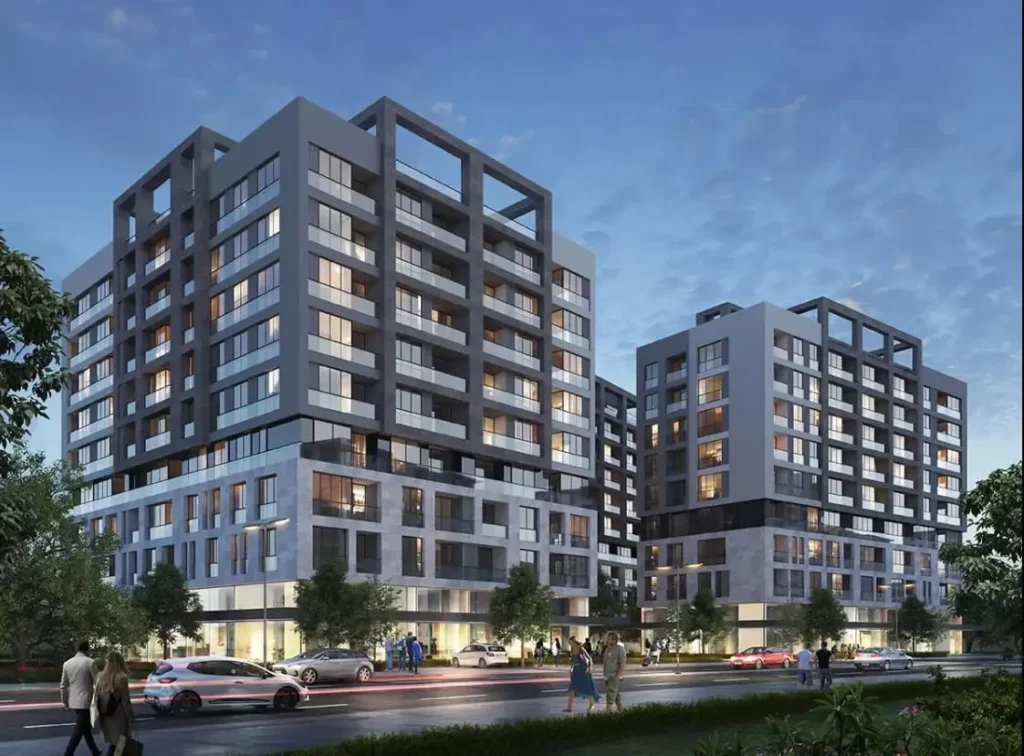

от $214 310
Park Plaza Residence
 Budva
Budva от 24,7м²
Key takeaway: Legal due diligence should include cadastral records (list nepokretnosti), confirmation of compliance with local zoning plans, and properly registered ownership rights for land and parking. The regulatory framework is set by the Ministry of Spatial Planning, Urbanism, and State Property.
Villas, Apartments, and Land Plots: What’s Available
The Sveti Stefan property market is divided into three main categories, each with distinct pricing structures and buyer dynamics:
- Apartments by the Sea or on Hillsides
- Locations: Central Sveti Stefan, the hillside toward Blizikuće, nearby areas like Pržno and Miločer
- Layouts: Studios (30–45 m²), 1–2-bedroom units (45–95 m²), penthouses (100–180 m²)
- Premium features: Island views, terraces (12–25 m²), garages, elevators, and pool access in residential complexes
- Villas and Houses
- Locations: Second line near Miločer, elevated plots above the village, Blizikuće
- Layouts: Homes range from 180–450 m² on lots of 300–1,500 m²; high-end properties include panoramic glazing, infinity pools, and private spa areas
- Due diligence points: Confirm water supply, access roads, retaining wall legality, and parking arrangements
- Land Plots (Urban and Agricultural)
- Urban plots: Permitted for construction under approved PUP/DUP plans; buildable area and height limits strictly regulated
- Agricultural plots: Typically not eligible for dense development; suitable for villa projects if zoning is changed or fits within current allowances
Important: Always request zoning parameters and cadastral documentation before purchasing land. Public regulations are published by the Ministry of Spatial Planning; registrations and taxation are overseen by the Ministry of Finance of Montenegro.
Real Estate Prices in Sveti Stefan
Prices reflect the scarcity of waterfront plots and limited construction volume. Island-facing properties command a 25–45% premium compared to similar homes set back from the shoreline.
| Property Type | Location | Price Range, €/m² | Total Budget, € | Pricing Notes |
|---|---|---|---|---|
| Studio / 1-Bed Apartment | 2nd–3rd line, partial view | €3,200–4,200 | €150,000–260,000 | Elevator, terrace, parking increase value |
| 2-Bed Apartment | Hillside with panorama | €4,000–5,300 | €240,000–450,000 | Premium for sea views and on-site pool |
| Seafront Apartment | Direct island view | €6,000–8,500 | €420,000–€1,000,000+ | Rare inventory, consistently high demand |
| Villa 200–350 m² | Blizikuće / Miločer | €3,800–6,500 | €900,000–2,200,000 | Condition, access, and pool drive pricing |
| Villa 350–600 m² (Premium) | Panoramic views, near sea | €6,500–10,000 | €2,500,000–6,000,000 | Montenegro’s elite market; limited availability |
| Urban Land Plot | Urban zone | €350–1,200 per m² | €140,000–600,000 | Price depends on buildability and road access |
Typical Transaction Costs:
- Notary & certified translator: €350–900 depending on deal complexity
- Title registration & cadastral filings: €40–120
- Legal due diligence: €1,000–2,500
- Property purchase tax:
- Secondary market: 3% of the purchase price
- New construction: VAT (21%) usually included in the price; confirm case-by-case
- Tax guidelines regulated by the Ministry of Finance
- Annual property tax: typically 0.25–1.00% of the assessed value (rate set by local municipality)
Pricing Insight: Entry-level for partial-view apartments starts at €150,000–200,000. For a villa with pool and panoramic views, expect a starting point around €1 million. Seafront homes are rare and retain strong market appeal.
Rental Income Potential and Seasonality
Short-term vacation rentals are the primary income strategy in Sveti Stefan’s “seaside living” segment. High season spans 10–12 weeks, with shoulder periods in May–June and September–October. Off-season demand is limited, but long-term rentals can cover fixed costs.
- Short-term rates (peak season):
- 1-bed apartments near beach: €180–350/night; 2nd line: €120–220/night
- 2-bed panoramic apartments: €250–450/night
- 4–5 bed villas with pools: €900–2,000+/night
- Shoulder season (May, June, Sept): typically 25–40% lower than peak
- Off-season rentals:
- 1-bed apartment: €700–1,200/month
- 2-bed apartment: €1,200–2,000/month
- Occupancy with quality management:
- 120–160 nights/year for seafront apartments
- 90–130 nights/year for premium villas
- Operating costs:
- Management: 20–30% of gross income
- Cleaning per stay: €25–60
- Utilities & internet: €70–120/month
- Annual wear-and-tear: 0.5–1.0% of property value
Taxation and Guest Registration:
- Rental income must be declared and is regulated by the Ministry of Finance
- Guest registration and host requirements are set by the Ministry of Economic Development and Tourism
- Tourist tax (boravišna taksa) is charged per local municipal rates and must be remitted via official channels
Investment Summary: Professionally managed seafront apartments can yield a net return of 4–6% annually. Premium villas generate 3–5% with the added benefits of capital preservation and long-term appreciation potential.
Pros and Cons of Living and Investing in Sveti Stefan

Sveti Stefan is one of the most prestigious destinations on the Budva Riviera—an exclusive enclave defined by limited development, striking Adriatic views, and a highly seasonal yet predictable demand curve. For residents, it offers tranquility by the sea just 10–15 minutes from Budva’s urban conveniences. For investors, it presents a rare opportunity to own waterfront real estate with reliable liquidity and solid seasonal returns.
Advantages: Prestige, Scenery, and Serenity
- Prestigious Location
The iconic island silhouette and the Miločer parklands have become symbols of Adriatic luxury. This distinctive branding helps sustain strong property values and rental demand. - Natural Beauty and Beaches
The shoreline features smooth pebbles, crystal-clear waters, and well-maintained promenades. Miločer offers natural shade, gentle sea access, and a scenic environment ideal for relaxation. - Off-Season Peace
From November to March, the area enjoys minimal traffic and a peaceful, slow-paced rhythm, ideal for those seeking quiet coastal living. - Proximity to Urban Infrastructure
Budva is only 6–7 km away, offering access to schools, healthcare, hypermarkets, and essential services. - Investment Fundamentals
Limited seafront supply, concentrated high-end demand, and predictable seasonal occupancy rates make for a sound investment logic. - Safety
Sveti Stefan has a very low crime rate. Seasonal risks such as petty theft and summer traffic congestion are the main concerns. - Rental Yield
During peak season, sea-view apartments and villas with pools are in high demand. With professional property management, net yields of 4–6% annually are achievable.
Disadvantages: High Costs, Seasonality, and Limited Winter Infrastructure
- High Entry Costs
Properties with direct island views or on the first line of the coast command a 25–45% price premium. Entry-level apartments start at €150,000–200,000, while villas begin at around €1 million. - Seasonal Fluctuations
In summer, the area sees heavy tourist traffic and congestion. In winter, many local cafés and services operate on reduced schedules or close entirely. - Parking and Accessibility
Parking is limited during the summer peak. Municipal lots charge €2–3/hour, and spots near the waterfront are scarce. - Operating Expenses
Premium properties entail higher upkeep: 20–30% of rental income goes to management, cleaning costs €25–60 per guest turnover, and annual wear and tear is estimated at 0.5–1.0% of property value. - Regulatory Uncertainty
Access rules to hotel-managed beach sectors and the island itself may change, potentially impacting perceived property value and average revenue per unit (ARPU). Monitor updates from the Municipality of Budva and relevant ministries. - Liquidity for High-End Villas
Properties priced at €2.5–6 million may take longer to sell due to a smaller buyer pool.
Summary Comparison
| Category | Advantages | Drawbacks / Risks | Key Costs / Data |
|---|---|---|---|
| Location & Prestige | Iconic resort with limited development | Premium pricing on 1st-line properties | Seafront apartments: €6,000–8,500/m² |
| Beaches & Leisure | Pristine water, landscaped waterfronts | Paid access to premium zones | 2 loungers + umbrella: €20–40 (public), €80–150 (premium) |
| Infrastructure | Budva reachable in 10–15 min | Limited winter services in the village | Monthly grocery budget for two: €300–450 |
| Transport | E65/E80 highway access, bus connections | Summer traffic congestion | Sveti Stefan–Budva: taxi €8–12, bus €2–3 |
| Safety | Low street crime | Pickpocketing in peak season | Standard precautions advised |
| Real Estate Prices | Seafront premium properties retain value | High barrier to entry | Studios/1-bed (2nd–3rd line): €3,200–4,200/m² |
| Rentals & Yields | Strong summer demand | Rates drop off-season | Net yield 4–6% (120–160 nights/year) |
| Taxes & Fees | Transparent tax system | Rate variance across municipalities | Purchase tax: 3% resale; annual property tax ~0.25–1.0% |
| Local Levies | Clear regulations | Seasonal rate changes | Tourist fees and parking governed by Budva Municipality |
| Tourist Traffic | Steady summer influx | Highly seasonal economy | Statistics via MONSTAT |
Conclusion for Residents:
Sveti Stefan is ideal for those who value peace and sea views, don’t mind commuting to Budva for urban services, and are comfortable with the area’s seasonal rhythms in both amenities and pricing.
Conclusion for Investors:
As a capital-preserving strategy, Sveti Stefan stands out: limited inventory, strong brand appeal, and consistent seasonality make it a compelling choice for long-term, value-stable investments.
Real Stories: Client Case Studies

Although Sveti Stefan enjoys a prestigious reputation, the real estate market on and around the island is extremely limited. New developments are rare, and properties that allow for renovation or year-round use are virtually nonexistent—primarily due to strict planning regulations, limited infrastructure, and unclear access rights. Every client who initially requested a property in Sveti Stefan ultimately opted for homes in Budva or the surrounding hills, where access to the island remains easy, but infrastructure and investment conditions are significantly stronger.
Below are three illustrative client cases that reflect this strategy in practice.
Case 1: Beachside Apartment for Seasonal Rental Income
Client’s goal: Acquire a ready-to-rent property for short-term summer lets and long-term winter leasing, with sea views and walking access to the beach.
Solution: Instead of overpaying for the few limited options in Sveti Stefan, the client purchased a modern apartment in Budva with partial sea views and quick access to the island by car.
- Purchase: 65 m² one-bedroom apartment with a 14 m² terrace and partial sea view — €310,000
- Additional costs: Legal, notary, and registration — €2,080; interior upgrades and furnishing — €18,500
- Timeline: 6 weeks to close; 10 weeks to full rental listing
Financial performance (Year 1):
- Peak season rate: €260/night
- Shoulder months (May, June, September): €185/night
- Off-season long-term rent: €900/month
- Annual occupancy: 135 nights
- Gross revenue: €38,200
- Operating costs: ~€12,000
- Net pre-tax cash flow: ~€26,100
- Total invested capital: €339,880
- Net yield: ≈ 5.1% annually
Takeaway: A smart rental investment with sea views and proximity to Sveti Stefan—without the inflated pricing or limitations of the island itself.
Case 2: Family Relocation with a Child — From Rental to Ownership
Client’s goal: A family relocating for long-term residence wanted a quiet coastal home with access to schools and essential infrastructure.
Solution: Due to the limited year-round services in Sveti Stefan, the family started with a rental in Budva to test routes and schools. After a year, they purchased a hillside townhouse in Blizikuće, just 10 minutes from the island.
Phase 1 — Rental:
- 2-bedroom apartment, 70 m², second line
- Rent: €1,100/month in winter, €2,300/month in summer
- Monthly living costs: groceries €500–650, transport €120–180
Phase 2 — Purchase:
- 120 m² townhouse with a 220 m² plot, 10 minutes from the beach
- Purchase price: €480,000
- Transaction costs: 3% purchase tax — €14,400; notary — €700; legal due diligence — €1,800; registration — €80
- Ongoing costs: utilities €90–140/month; annual property tax 0.25–1.0%
Takeaway: The “rent first, buy later” approach allowed the family to make an informed decision. Total initial investment (rental + purchase + taxes and fees) came to approximately €520,000.
Case 3: View Villa — Rental Income and Profitable Exit
Client’s goal: Purchase a sea-view property for high-end seasonal rental, followed by resale with capital appreciation.
Solution: Rather than settling for constrained opportunities on the island, the client acquired a villa just outside the protected zone, allowing for renovation while maintaining stunning panoramic views of Sveti Stefan.
- Purchase: 320 m² villa on a 700 m² plot with direct sea views — €1,600,000
- Due diligence and permitting: €5,200
- Renovation CAPEX (9 months):
- Structural and engineering upgrades — €130,000
- Pool and terraces — €110,000
- Interiors and furnishings — €85,000
- Landscaping and contingencies — €45,000
- Total CAPEX: €370,000
- Ready for rental: 12 months post-purchase
Annual rental performance:
- Average daily rate (peak): €1,200
- Average daily rate (shoulder season): €800
- Occupancy: 92 nights/year
- Gross rental income: ~€185,000
- Operating costs: ~€89,000
- Net rental income: ~€96,000/year
Exit: Sold after 2.5 years for €2,150,000
- Total investment: ~€1,975,000
- Capital gain (pre-tax): ~€175,000
Takeaway: Careful planning, legal clarity, and quality execution allowed for stable rental income and a successful exit. The villa’s proximity to Sveti Stefan—without its regulatory constraints—was a key factor in the project’s success.
Sveti Stefan vs. Other Montenegrin Resorts: A Comparative Overview

Sveti Stefan is a boutique destination with limited development and a significant price premium for properties offering direct views of the island. To help assess whether it’s the right fit for living or investment compared to other coastal locations, the table below provides a structured comparison across key criteria: accessibility, beaches, infrastructure, property prices, and rental potential. The pricing and rental ranges are based on market observation and official statistics from MONSTAT, while local fees and regulations fall under the jurisdiction of municipal authorities such as Opština Budva, and transport accessibility is overseen by the Ministry of Capital Investments.
Key Insight: Sveti Stefan is a rare, ultra-exclusive offering on the Montenegrin coast. Alternatives like Budva, Tivat/Kotor, Bar, and Herceg Novi offer broader infrastructure and pricing flexibility—but none can match the postcard-perfect scale and intimate charm of Sveti Stefan.
Resort Comparison Table
| Criteria | Sveti Stefan | Budva | Tivat / Porto Montenegro | Kotor (Old Town/Dobrota) | Herceg Novi (Igalo) | Bar |
|---|---|---|---|---|---|---|
| Character & Atmosphere | Boutique, serene off-season, high prestige | Most urban resort, active year-round | Marina lifestyle, premium infrastructure, business hub | Historic setting, scenic Bay of Kotor | Health retreat, green spaces, long promenade | Practical, family-friendly, urban coastal living |
| Airport Access | TIV ~40 min; TGD ~70–90 min | TIV ~30–35 min; TGD ~60–80 min | TIV ~10–15 min; TGD ~80–90 min | TIV ~15–25 min; TGD ~90–110 min | TIV ~30–45 min; TGD ~90–110 min | TGD ~50–60 min; TIV ~60–80 min |
| Beaches & Swimming | Pebble beaches, Milocer Park, premium zones | Multiple beaches, water sports, nightlife | Pontoons, city beaches, yachting | Bayside swimming platforms, limited beach access | Pebble beaches, thermal springs in Igalo | Long beaches (pebble/sand), gentle sea entry |
| Infrastructure (Schools/Health/Malls) | Basic local services; main infrastructure in Budva (6–7 km) | Full set: schools, clinics, shopping, services | High-end private services, marina, restaurants | Cultural life, tourism, moderate public services | Spa and rehabilitation, moderate service availability | Government services, hospital, rail/sea ports, malls |
| Real Estate Prices, €/m² | €4,000–8,500 (premium for first line) | €3,000–6,500 | €4,500–9,000 (premium by the marina) | €3,000–6,000 | €2,200–4,000 | €2,200–3,800 |
| Rental Rates (1BR, peak), €/night | €180–350 (1st–2nd line) | €120–250 | €160–320 | €100–220 | €80–180 | €70–150 |
| Estimated Net Yields | 4–6% (rare properties) | 4–7% (high occupancy) | 4–5% (higher CAPEX, premium service) | 4–6% (longer bay-side season) | 4–6% (budget traveler demand) | 4–6% (family/business travel mix) |
| Seasonality & Visitor Flow | Peak: July–August; quiet in winter | Extended peak, year-round activity | Balanced due to business traffic | Cruise ship surges in season | Consistent family demand | Balanced, less congestion |
| Parking & Logistics | Shortage in summer; €2–3/hour | Congestion in center, paid parking | Expensive marina parking | Narrow streets, limited access | Easier than Kotor/Budva | Convenient access, ample parking |
| Best Suited For | Investors seeking rare premium assets; peace seekers | Buyers wanting an active, urban coastal lifestyle | Yachting enthusiasts, expats, premium segment | Aesthetes, history lovers, bayfront charm | Families, health-focused tourism | Rational buyers, permanent residence seekers |
If your priorities are prestige, island views, and a secluded atmosphere, Sveti Stefan is unmatched—though entry costs are high and the rental peak is short. For infrastructure, schools, year-round activity, and resale liquidity, Budva offers the widest range of options and strategies. If you’re seeking five-star services, a marina lifestyle, and strong expat appeal, Tivat/Porto Montenegro is the logical choice; for a historic, picturesque setting, look to Kotor. More family-friendly and budget-conscious options include Bar and Herceg Novi—with steady demand, mild seasonality, and accessible property prices.
Conclusion
Sveti Stefan is a stunning and prestigious resort with limited housing supply and pronounced seasonality. It appeals to those who value tranquility, panoramic views, and the prestige of a world-renowned location. However, as a place for full-time living, it is less developed than neighboring Budva—most schools, clinics, and major retail centers are located 6–7 km away, under the jurisdiction of Opština Budva.
Key Point: Sveti Stefan is primarily a boutique, tourist-oriented destination. For full urban infrastructure, Budva is more convenient—just a 10–15 minute drive away.
Strategic Insight: Sveti Stefan is a powerful “showcase” asset. If you seek comfort and convenience for year-round living, focus on Budva. If your priority is status and iconic views, invest in Sveti Stefan and manage seasonality with professional rental management.
Ready to find your property in Sveti Stefan or Budva?
Submit a request—we’ll help you identify a home or investment without hidden pitfalls, present nearby alternatives, and tailor a financial strategy to match your goals.
 +382 60 099359
 hello@residence-estate.me
 The Old Bakery Residences, Budva 85310, Montenegro


 Get catalogue of TOP-7 objects