
 +382 60 099359


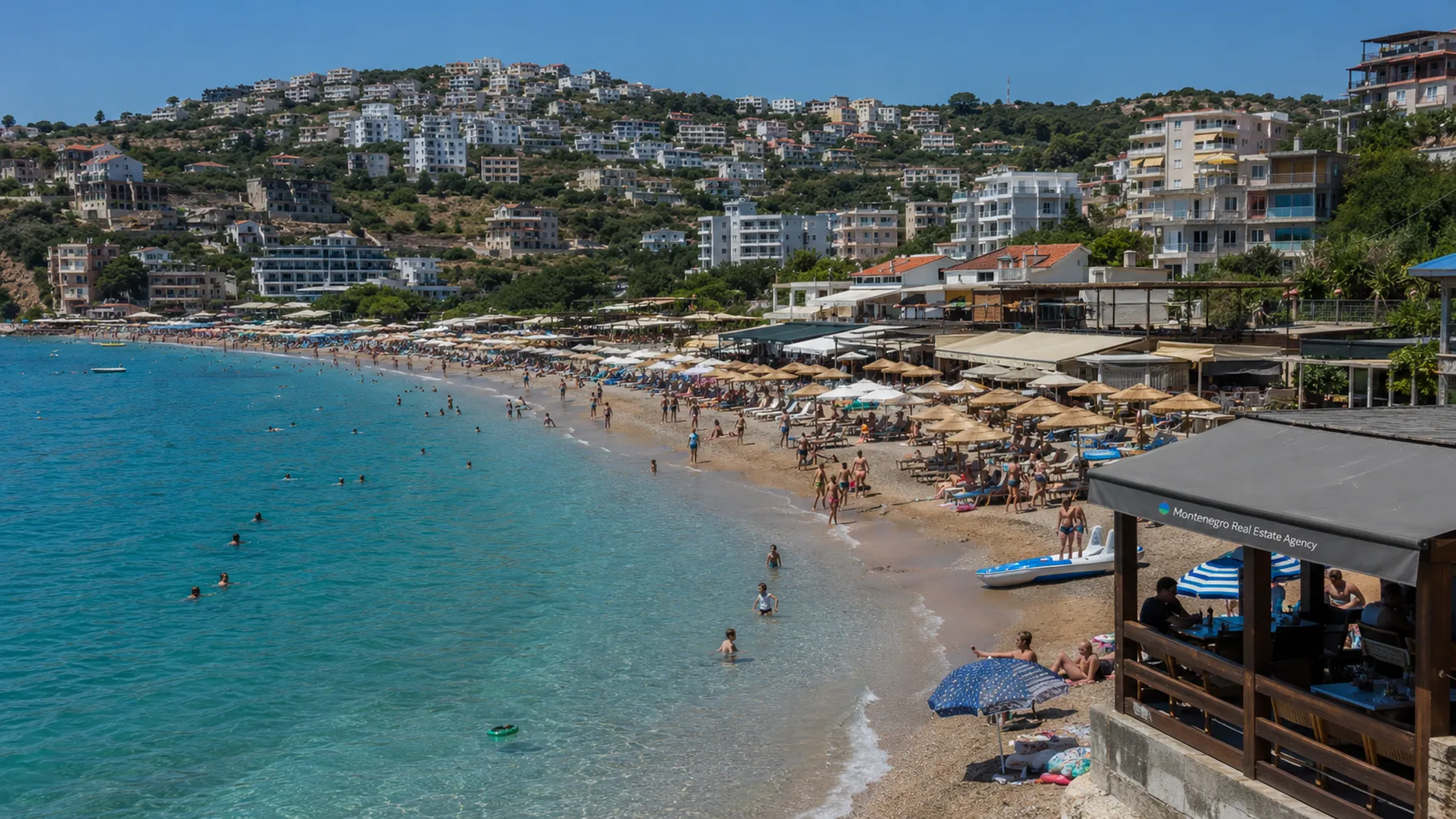

Dobra Voda is a small coastal area in southern Montenegro, within the Municipality of Bar. It lies approximately 10–12 kilometers south of Bar itself and around 20–25 kilometers north of Ulcinj. The area appeals to three very different groups: people who come to spend a few weeks by the sea each year, those looking for a permanent or seasonal home on the coast, and buyers considering property either for personal use or as a rental investment. The aim of this guide is to give each of them an honest, practical, and realistic picture of what Dobra Voda has to offer.
The first thing to understand is that Dobra Voda is not Budva, nor is it a large resort town. There is no fully developed urban center, no major nightlife scene, and no shopping malls within easy walking distance. What it does offer is the sea, a relatively peaceful atmosphere, attractive hilly terrain, and several good beaches. For some buyers, these qualities will be the area’s greatest strengths; for others, they may be significant limitations.
Dobra Voda at a Glance
| Category | What You Need to Know |
|---|---|
| Location | Southern Montenegrin coast, Municipality of Bar, approximately 10–12 km south of Bar |
| Nearest major town | Bar — the main hub for infrastructure, administrative services, and healthcare |
| Main beaches | Veliki Pijesak (the area’s larger beach), Mali Pijesak (a smaller, quieter beach area) |
| Character of the area | A small coastal settlement with low-density development spread across the surrounding hillsides |
| Seasonality | Strongly seasonal: lively in summer and very quiet outside the main tourist season |
| Best suited to | Buyers seeking a summer home, families with a car, rental investors, and remote professionals |
Where Is Dobra Voda Located?
Dobra Voda occupies a stretch of coastline along the Bar Riviera, between the city of Bar to the north and Ulcinj to the south. Administratively, the area belongs to the Municipality of Bar. Dobra Voda itself is not a separate town or a conventional village with a clearly defined center. It is better understood as a coastal area with dispersed development stretching along the shoreline and extending up the surrounding hillsides.
The coastline here is fairly rugged, with small coves alternating with sandy and pebble beaches. The main road connecting Bar and Ulcinj runs directly through the area. This is both an advantage, because it provides convenient road access, and a drawback, as traffic can become noticeably heavier during the peak summer season.
The terrain is one of the most important practical factors to consider in Dobra Voda. The area is hilly. Some properties are located directly by the sea or only a few steps from the waterfront, while others sit considerably higher on the slopes and offer panoramic sea views. These two types of property can provide completely different day-to-day living experiences. A home shown as being just 400 meters from the beach on a map may in reality require a steep descent, a long staircase, or a narrow winding road. That can fundamentally change what “close to the sea” actually means in practice.
For this reason, when evaluating any particular house or apartment in Dobra Voda, the straight-line distance to the beach is one of the least informative measurements. What matters more is the actual route from the property to the water: whether there are steps, how significant the elevation change is, and whether the walk is practical for children or elderly family members.
| Category | What You Need to Know |
|---|---|
| Administrative area | Municipality of Bar |
| Nearest cities | Bar (approximately 10–12 km), Ulcinj (approximately 20–25 km) |
| Main beaches | Veliki Pijesak, Mali Pijesak |
| Type of area | Coastal settlement with dispersed development |
| Terrain | Hilly, with significant elevation changes and substantial hillside development |
| Seasonality | Peak season is July–August; the area becomes considerably quieter outside the summer months |
| Car | Effectively essential for most day-to-day needs |
Dobra Voda’s proximity to Bar is one of the area’s defining structural advantages. Bar is the largest port city in southern Montenegro and offers a full range of urban infrastructure, including hospitals, schools, banks, major supermarkets, rail connections to Podgorica, and ferry links with Italy. For residents of Dobra Voda, Bar effectively serves as the urban center that the area itself does not have. This is something worth factoring into the decision from the outset.
What Is It Like to Live in Dobra Voda?
The answer depends largely on when you are there and what you expect from the area. Dobra Voda in July and Dobra Voda in January offer very different experiences. This is not a criticism, but an objective feature of many coastal settlements in southern Montenegro: they are built around the summer season. The more clearly this is explained to a prospective buyer, the easier it is to make a well-informed decision.
Summer and the Peak Season
July and August are when Dobra Voda is at its liveliest. The beaches fill up, seasonal restaurants and cafés open, holiday apartments are occupied, and traffic on the Bar–Ulcinj road increases noticeably. The atmosphere remains pleasant, however, without the intense tourist bustle associated with larger resorts such as Budva or Bečići. Even during the busiest weeks of summer, Dobra Voda retains a relatively intimate, low-key feel.
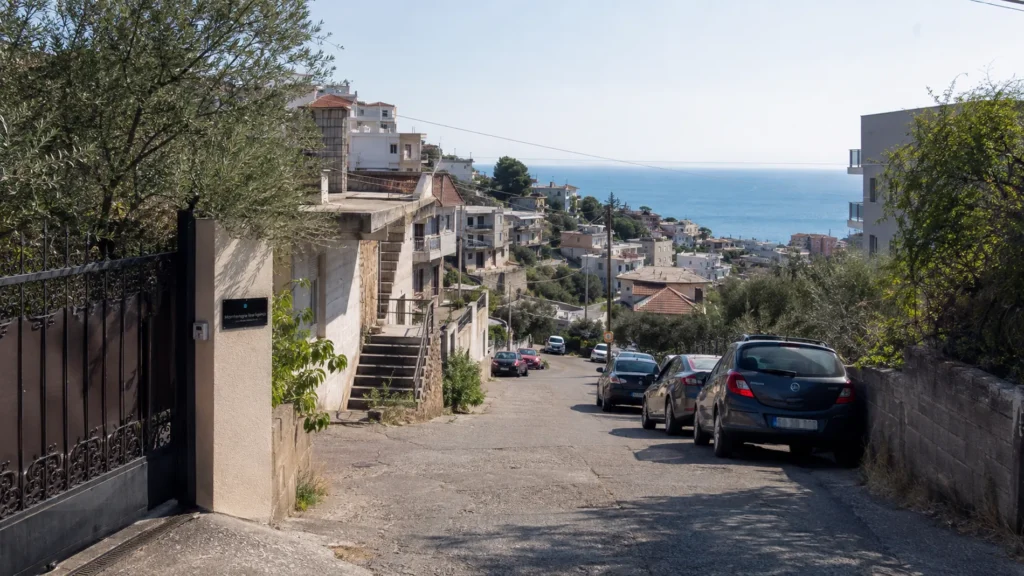
At the same time, the summer season brings several practical challenges that property owners should be aware of. Parking near the beaches becomes scarce, narrow access roads can become congested, and noise from nearby cafés or beachgoers may be noticeable in first-line properties. For a tourist, this is simply part of the holiday atmosphere. For a permanent resident, or for an owner spending the entire summer there with their family, it becomes part of everyday life and should be taken into account.
A first-line property can also feel completely different in summer and winter. An apartment with a sea view just 50 meters from the beach may be an ideal holiday home in July. The same apartment in November, when the neighboring restaurant is closed, the beach is empty, and the only nearby shop keeps irregular opening hours, needs to be evaluated from a very different perspective.
Living Outside the Summer Season
From September through May, and particularly from October to April, Dobra Voda becomes a quiet and sparsely populated place. Many seasonal businesses close. Some of the small shops and cafés that operate throughout the summer shut down until the following June. Outside the summer season, Dobra Voda is noticeably quieter and the number of people staying in the area falls compared with the peak tourist months.
That is not necessarily a disadvantage. For someone looking for peace and quiet, a place to work remotely without distractions, or simply the opportunity to live by the sea away from tourist crowds, this slower rhythm may be exactly what they want. On the other hand, families with school-age children, people who value an active social environment nearby, or buyers expecting “life by the sea” to mean year-round activity may find winter in Dobra Voda less appealing.
Outside the summer season, some everyday needs will have to be handled in Bar. Driving there for groceries, a pharmacy, a doctor’s appointment, or banking typically takes around 15–25 minutes. This is perfectly manageable if you have a car and do not expect all essential services to be available within walking distance.
Dobra Voda should ideally be assessed in at least two different seasons: summer and the quieter shoulder or off-season months, especially if you are considering a property for permanent or long-term living. A single visit in August does not provide a complete picture of what life here is really like.
Beaches in Dobra Voda
The Dobra Voda coastline offers several beach areas that differ in size, atmosphere, and level of infrastructure. For property buyers, it is important to understand not only which beach is closest, but also what the actual route to it is like in practice.
Veliki Pijesak
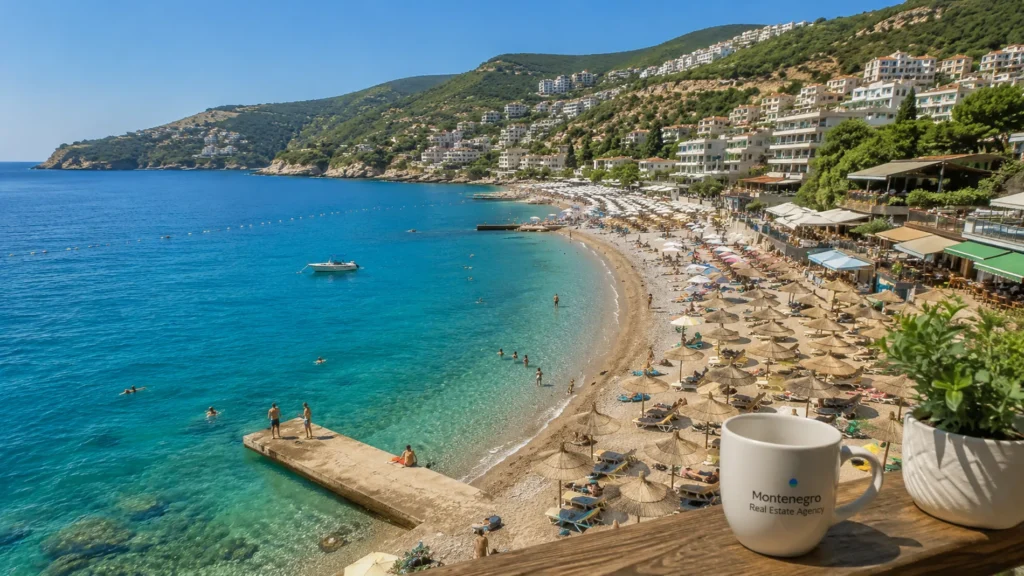
Veliki Pijesak is the main and busiest beach area in Dobra Voda. The shoreline is commonly described as a mix of pebbles, coarse sand, and small stones, and the exact beach surface can vary along different sections. What matters more for most visitors is its relatively developed summer infrastructure: cafés, restaurants, sun loungers, accommodation, and a concentration of services within walking distance of the waterfront. For property buyers, Veliki Pijesak is also the main reference point when evaluating how practical a location really is for beach access.
The beach becomes fairly lively in summer. Several beach bars and small restaurants operate during the season, and sun loungers and umbrellas are available for rent. Even so, the atmosphere is generally more relaxed than on the better-known beaches around Budva: there is less of the intense resort bustle and crowding associated with larger tourist destinations.
For property buyers, Veliki Pijesak is an important point of reference. Properties within genuinely comfortable walking distance of Veliki Pijesak can be more attractive to both buyers and short-term rental guests. However, proximity alone does not determine value or rental performance: road gradient, parking, noise, the quality of the building, sea views, seasonality, and competing rental supply can all materially affect the result.Homes higher up the slopes may offer beautiful sea views, but the experience changes significantly if reaching the beach involves parking difficulties or requires using a car even for a short trip to the sea.
Noise is another factor worth considering. Properties located very close to beach bars can be noticeably louder during the summer than they may appear during an off-season viewing.
Mali Pijesak
Mali Pijesak (“Small Sand”) is a much smaller beach area located nearby. It has a more intimate feel and remains quieter even at the height of the season. The infrastructure is more limited: there are fewer places to eat and drink, fewer sun loungers, and less in the way of organized beach services. In return, the atmosphere is noticeably more peaceful.
Mali Pijesak is well suited to those who value privacy and tranquillity by the water more than a fully developed beach-service environment. As elsewhere in Dobra Voda, however, access should be assessed in relation to the specific property being considered, because the terrain in this part of the area is also uneven.
In addition to the two main beaches, other beaches along the Bar Riviera and around Ulcinj are relatively easy to reach by car from Dobra Voda. This gives residents and visitors considerably more choice, particularly if they are happy to drive a short distance.
| Beach / Area | Character | Infrastructure | Summer Crowds | Best Suited To | What Buyers Should Consider |
|---|---|---|---|---|---|
| Veliki Pijesak | Main beach area with a mixed pebble-and-coarse-sand shoreline | Beach bars, restaurants, sun loungers | Moderate, without the intensity of Budva | Families and those looking for a comfortable, easily accessible beach | Potential noise from beach bars for first-line properties; always check the actual walking route |
| Mali Pijesak | Smaller, quieter, more intimate | Limited | Low | Those who value peace and privacy | Limited infrastructure; check the route from the specific property to the beach |
| Other beaches along the Bar Riviera | Varied | Varies by location | Varies by location | Drivers and those who enjoy exploring different beaches | Generally requires a car |
The distance to the beach stated in a property listing is not the same as the distance from your front door to the water along a comfortable, practical route. This matters especially in a hilly area. Every route should be walked in person before making a decision.
Infrastructure and Everyday Services
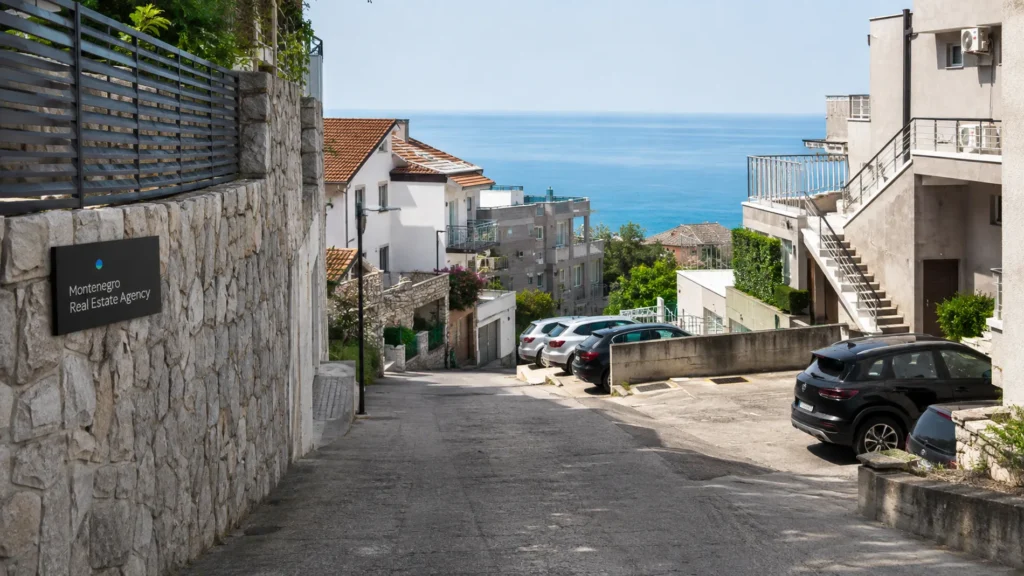
A candid discussion of everyday infrastructure is exactly what many descriptions of Dobra Voda tend to overlook. Most tourist-oriented materials settle for saying that “everything you need is nearby.” In reality, the picture is considerably more nuanced.
Shops, Cafés, and Everyday Services
There are small grocery stores in and around Dobra Voda, and they operate during the tourist season. Several cafés and restaurants cater primarily to summer visitors, and in July and August the selection is generally sufficient for day-to-day needs. Some establishments remain open outside the peak season as well, although opening hours can become less predictable.
For the following, you will usually need to go to Bar: large supermarkets, DIY and building-supply stores, household appliances, clothing, well-stocked pharmacies, banks offering a full range of services, post offices, notaries, and most administrative institutions. Outside the summer season, driving to Bar is simply part of everyday life in Dobra Voda rather than an occasional inconvenience.
For some people, a 15–20-minute drive to Bar is entirely comfortable. For others, having to get in the car every time they need a pharmacy or a bank can become a persistent source of frustration. It is worth answering this question honestly for yourself before choosing a property.
Healthcare and Education
Dobra Voda’s healthcare infrastructure is appropriate for a small coastal settlement rather than an urban environment. For hospital care and a broader range of medical services, residents rely on Bar, where the General Hospital ‘Blažo Orlandić’ is located. Availability of pharmacies or smaller local medical services should be checked for the specific address and season.
Dobra Voda does not have the same range of primary and secondary education options as Bar. The Municipality of Bar lists a preschool facility in Dobra Voda, while primary and secondary schools are located elsewhere in the municipality. Families considering permanent residence should therefore check the nearest school, catchment arrangements, and the actual daily route from the property.
The choice of schools, language courses, sports clubs, and extracurricular activities is considerably broader in Bar, although some preschool services are available closer to Dobra Voda.
Water, Sewerage, and Utilities
This is one area that competing guides almost always ignore — and that is a mistake, because utility infrastructure in Dobra Voda can have a direct impact on both quality of life and the ongoing cost of owning a property.
Utility infrastructure across the area is not uniform. Some properties are connected to centralized water and sewerage networks. Others rely on independent systems, such as private wells or water storage tanks, together with septic systems for wastewater disposal. Conditions can differ even between two houses on the same street. It is therefore impossible to assess an individual property based solely on general assumptions about the area.
Before purchasing any property in Dobra Voda — whether an apartment or a house — it is essential to establish the exact utility and engineering setup of that particular building and plot.
| What to Check | Why It Matters | How to Check |
|---|---|---|
| Water | Source of supply — municipal network, well, or storage tank — as well as pressure, quality, and running costs | Connection documents, discussions with neighbors, agreement with the local water utility |
| Sewerage / septic system | Whether the property uses a centralized sewer network or an independent septic system, and its condition and maintenance requirements | Property documentation, visual inspection, information from the seller |
| Electricity | Available connection capacity, condition of the wiring, and metering | EPCG supply agreement, inspection of the electrical panel |
| Internet | Availability of fiber-optic service or mobile 4G/5G, and the stability of the connection | Test the connection on site and check availability with local providers |
| Access road | Legal status of the access route, road-surface quality, and accessibility during winter | Cadastral records and inspection under different weather conditions |
| Drainage | Stormwater runoff on sloping land and the risk of localized flooding | Inspect during or after rainfall and speak with neighboring residents |
| Parking | Whether a parking space is legally assigned to the property | Property documents and cadastral records |
Retaining structures on hillside plots deserve separate attention. For houses and land located on the slopes, the condition of retaining walls is important both from a safety perspective and in terms of potential future maintenance costs.
Everyday Costs to Consider
The cost of living in Dobra Voda depends heavily on how a property is used. A summer apartment close to the beach has a different expense profile from a detached hillside house occupied year-round. Buyers should therefore look beyond the purchase price and ask for the actual electricity, water, internet, maintenance, parking, and property-management costs attached to the specific property.
For homes using water tanks, septic systems, private access roads, pools, retaining walls, or extensive outdoor areas, periodic maintenance can be more important than the monthly utility bill itself. Apartment buyers should also clarify common-area charges and what services are included.
The most useful benchmark is not a generic “average cost of living in Dobra Voda,” but twelve months of actual bills and maintenance records for the property being considered whenever these are available.
Transport and Distances
Dobra Voda lies along the main coastal road connecting Bar and Ulcinj. This gives the area a basic level of transport accessibility, but it is important to understand what that means in practical terms.
For many people living in Dobra Voda year-round, a car is the most practical way to handle everyday trips, particularly for properties on the slopes or outside convenient walking distance of local services.
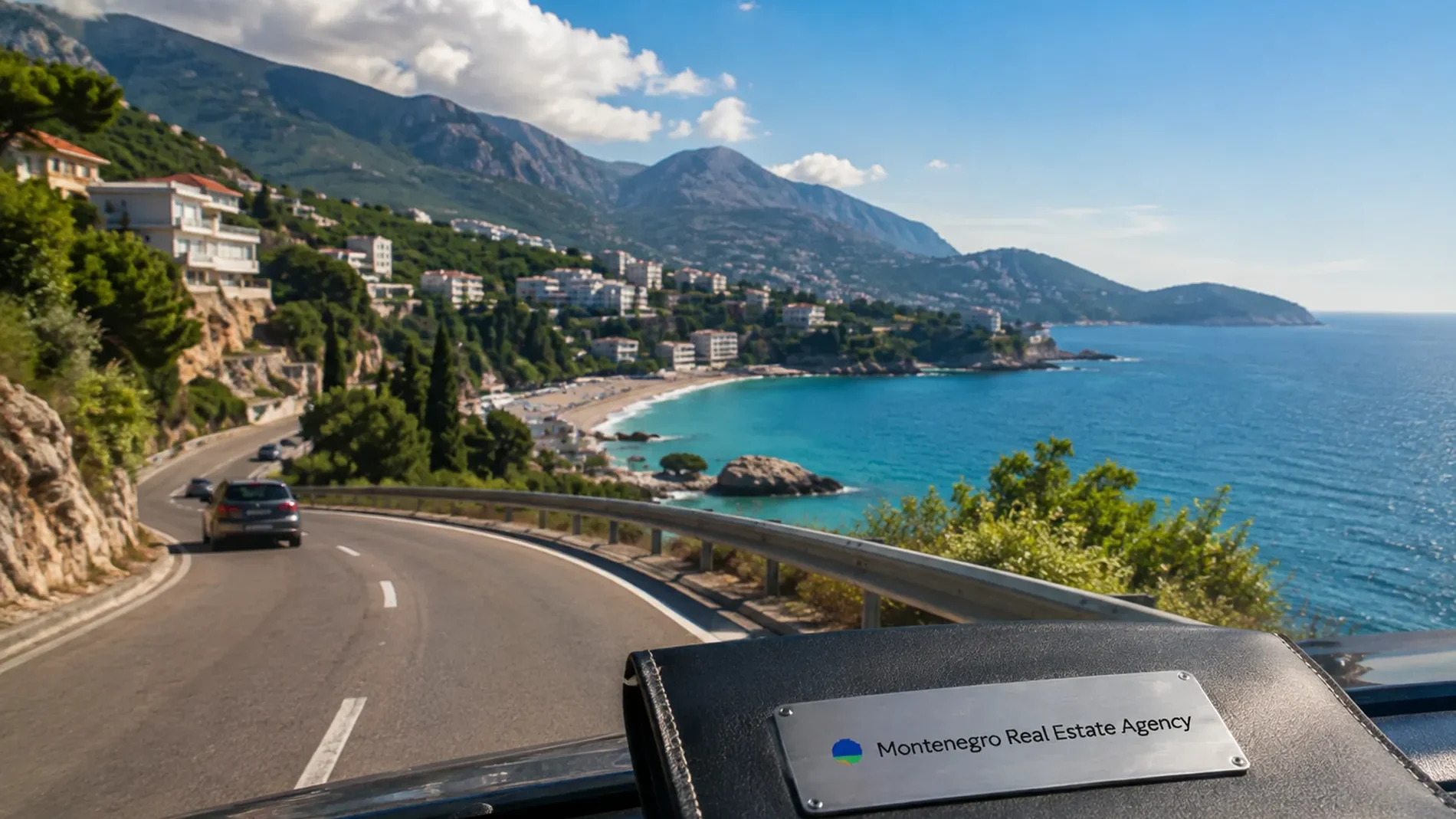
From most addresses in Dobra Voda, Bar is around a 15–25-minute drive away, depending on the exact location and traffic conditions. During the summer, particularly in July and August, journey times can increase because of heavier traffic on the Bar–Ulcinj road. Allowing some extra time for trips during the peak season is a sensible precaution.
Ulcinj is typically around 20–30 minutes away by car, again depending on seasonal traffic. Podgorica, Montenegro’s capital and main national administrative and transport hub, is roughly an hour to an hour and a half away by car from Dobra Voda under normal conditions, depending on the exact starting point, route, and traffic. Because the route includes mountainous roads, the drive usually takes around 50–80 minutes, depending on the route chosen and traffic conditions.
Montenegro has two international airports: Podgorica Airport and Tivat Airport (Airports of Montenegro). Podgorica Airport is the closer of the two to Dobra Voda and is generally around one to one and a half hours away by car. Tivat Airport is farther, typically requiring around two to three hours depending on the route and traffic through the mountainous sections. In summer, both journey times should be adjusted upward to account for seasonal congestion.
Seasonal ferry connections between Bar and Italian ports have operated in recent years, but routes and sailing dates can change from season to season and may be affected by operational disruptions. Travelers should check the current operator timetable before relying on a ferry connection.
Practical steps to take when viewing a property:
- Drive from the property to the nearest supermarket and assess the route for yourself.
- Walk from the front door to the beach using the actual route you would take in daily life, rather than relying on the distance shown on a map.
- Check whether two cars can pass each other comfortably on the access road leading to the property.
- Identify a real parking space — not a vague promise that there is “usually somewhere nearby.”
- If possible, return to the property at a different time of day or during the peak season to assess traffic levels and noise.
What Is Near Dobra Voda?
Dobra Voda works particularly well as a base for exploring the southern part of Montenegro’s coast. Bar is the obvious first stop for larger supermarkets, healthcare, the railway station, the marina area, and everyday urban services. Stari Bar adds a completely different experience, with its historic fortified old town and traditional streets below Mount Rumija.
To the south, Ulcinj offers a denser historic center and access to a very different beach landscape, including the long Velika Plaža area. Other beaches and small coastal settlements along the Bar Riviera can also be reached by car, which means residents are not limited to Veliki Pijesak and Mali Pijesak.
For someone considering a property, these nearby destinations matter for more than tourism. They determine where you may shop, seek medical care, meet friends, spend evenings outside the summer season, and take visiting family or guests. This is one reason Dobra Voda should be evaluated as part of the wider Bar–Ulcinj coastal corridor rather than as an isolated resort.
Real Estate in Dobra Voda
The property market in Dobra Voda includes several distinct segments: apartments in newer residential buildings, units close to Veliki Pijesak, resale apartments, detached houses and villas on the slopes, and building plots. The differences between these categories are often more important than the average asking price for the area. Buyers can find apartments in modern residential developments with sea views, units in smaller buildings close to the beach, resale properties of varying age and condition, detached houses, villas, and building plots. Some are positioned higher on the hillsides with panoramic views, while others are located much closer to the shoreline.
One point is important to understand from the outset: the advertised price per square meter is not enough to make a meaningful comparison between properties in Dobra Voda. Two apartments with similar asking prices may differ dramatically in terms of actual convenience. One may be 80 meters from the beach along a flat, easy walking route; another may be 500 meters away, with an elevation difference of several dozen meters and no dedicated parking. From a buyer’s perspective, these are fundamentally different properties.
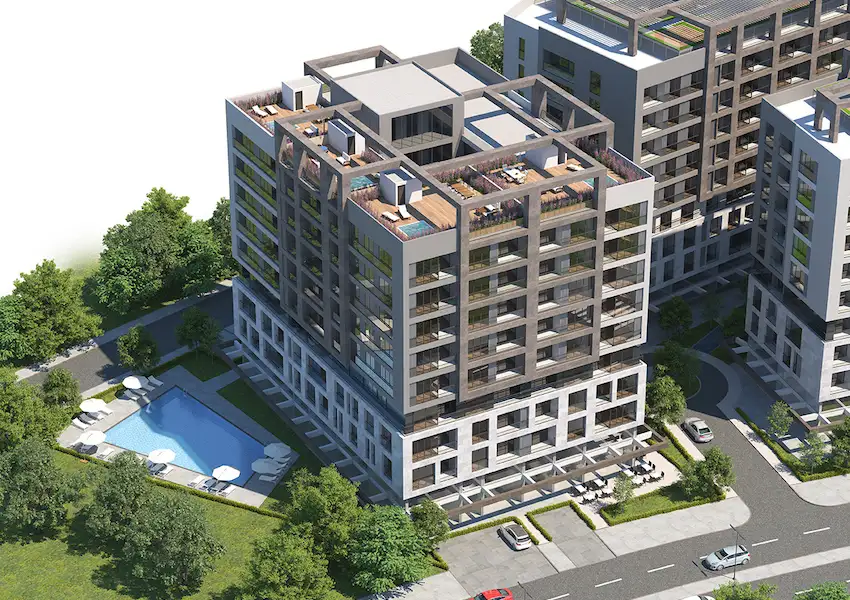

 Bar
Bar от 30.95м²
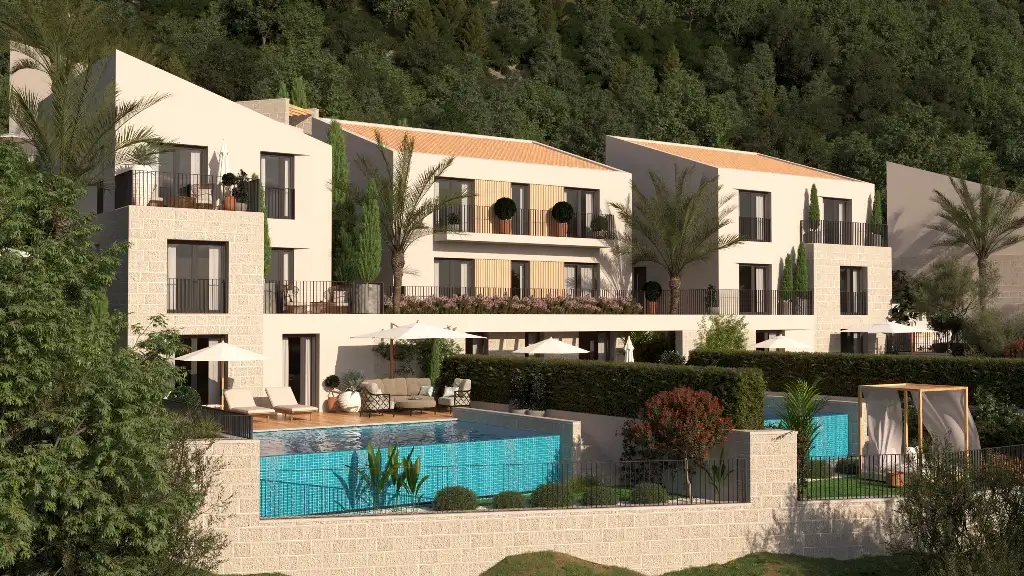 Budvaот 261.69м²
What Determines Property Value
The practical appeal of a property — both for personal use and for a future resale — depends on a combination of location, access, legal status, construction quality, parking, and proximity to the sea. No single factor should be assessed in isolation. For most ownership scenarios, the following tend to matter most:
First-line location and genuine walkability to the sea are two factors buyers commonly consider when comparing properties in Dobra Voda. Properties with straightforward walking access to the beach may be more attractive to both buyers and short-term rental guests, but their actual pricing and rental performance should be assessed against comparable properties and current booking data.
Sea views matter, but they are not the same as convenience. A panoramic view from an elevated position may be spectacular, but it does not replace easy walking access to the beach. For holiday rentals, views are highly marketable. For year-round living, practical access is often more important.
Dedicated parking can be an important practical advantage, particularly during the summer season. A property without a dedicated parking space can create an everyday inconvenience, particularly during the summer months.
For many coastal properties, a usable terrace functions as valuable additional living space during warmer months. A large terrace with a sea view can materially improve a property’s appeal to holiday renters.
The quality and gradient of the access road are particularly important for hillside homes. A narrow road, a steep approach, or difficult access in heavy rain or during heavy rain or other adverse weather conditions can reduce both day-to-day convenience and resale appeal.
Construction quality varies significantly across the Dobra Voda market. Technical quality should be assessed independently of whether a property is new or resale. For new developments, buyers should review the project documentation, specifications, construction progress, and applicable approvals; for completed resale properties, the inspection should also cover wear, waterproofing, utilities, and previous alterations.
Legal status is equally important: whether the property has valid construction and occupancy permits where applicable, whether the cadastral records are in order, and whether there are any encumbrances or restrictions. This is covered in greater detail in the buyer checklist section.
Buying for Personal Use or Rental
Different ownership strategies require very different property characteristics. Buyers who have not yet decided how they intend to use the property risk choosing a home that is optimized for the wrong purpose.
| Scenario | What to Prioritize | Secondary Considerations | Main Risk |
|---|---|---|---|
| Year-round living | Utilities, parking, access to Bar, heating, internet | Panoramic views | Winter isolation, dependence on a car |
| Summer home | Walkability to the beach, terrace, privacy | Urban infrastructure | Sitting unused for nine months, maintenance costs |
| Short-term rental | Beach access, views, terrace, parking, photogenic appeal | Storage space | Strong competition, seasonal occupancy |
| Long-term ownership | Legal clarity, liquidity, construction quality | Current finishes | Choosing an illiquid property based on price alone |
For year-round living, the most important considerations are not the views, but access to infrastructure and how the property functions outside the summer season. Buyers should assess whether there is adequate heating or the infrastructure to install it, how isolated the area feels in the off-season, and whether the access road remains practical during heavy rain or other adverse weather conditions.
For short-term rentals, proximity to the beach, sea views, and a terrace are among the strongest selling points. A property’s visual appeal can have a direct impact on bookings. At the same time, competition needs to be assessed realistically: buyers should also assess the competing short-term rental supply visible on major booking platforms for the dates they expect to rent the property.
For a summer home, the main priorities are distance to the beach, outdoor space, and privacy. It is also important to factor in the cost of maintaining the property during the months when it is not being used.
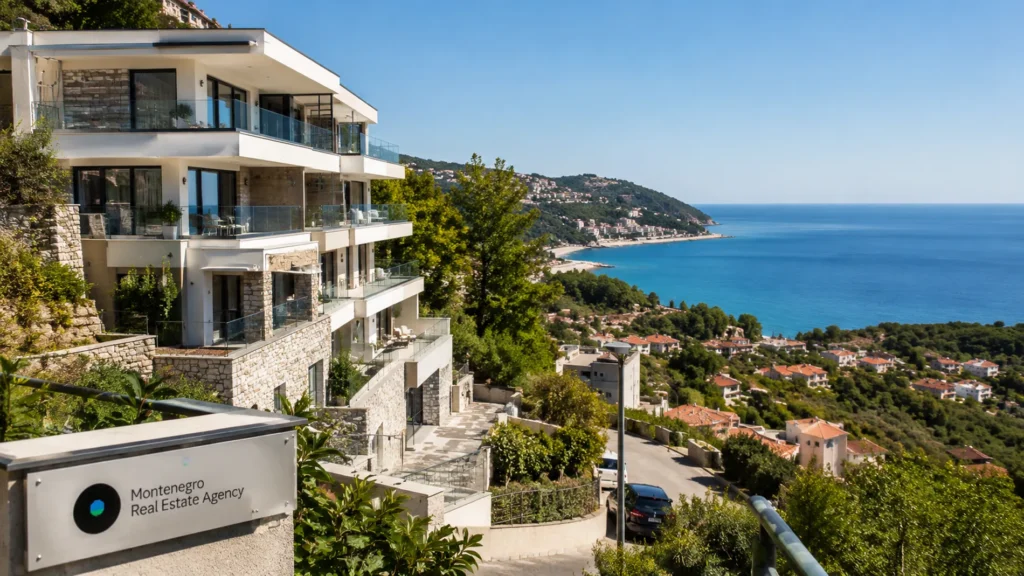
Rental Potential and Seasonality
Montenegro’s coastline is one of the most popular tourism destinations on the Adriatic. According to MONSTAT, Montenegro’s official statistical authority, the country’s coastal municipalities account for a substantial share of tourist overnight stays each year. According to MONSTAT, seaside resorts accounted for 92.6% of all tourist overnight stays recorded in Montenegro in 2025. This confirms how concentrated the country’s tourism market is on the coast, but it should not be interpreted as an occupancy forecast for Dobra Voda or for any individual apartment. The Bar Riviera forms part of this broader tourism market.
It is important to remember that national tourism statistics do not translate directly into occupancy for an individual apartment. Actual rental performance depends on the property’s location, quality, season, pricing, management, marketing, and competition. Regional tourism figures cannot guarantee bookings for any specific unit.
When evaluating a property for short-term rental, buyers should examine at least the following factors:
- How easily the property can be reached on foot from Veliki Pijesak
- Whether it has a terrace with a sea view
- Whether dedicated parking is available
- The quality of the listing photography and the property’s rating on booking platforms
- How the price compares with similar properties in the area
- Who manages the property in the owner’s absence and what commission they charge
- The reliability of essential utilities and services, including water supply, internet, and air conditioning
The peak rental season in Dobra Voda is broadly concentrated in July and August. Demand may extend into June and September, but occupancy varies materially by property, year, pricing, weather, booking channel, and management.
If you are planning to find a property in Dobra Voda, Bar, or another part of the Montenegrin coast for a specific ownership scenario, complete our short property-matching questionnaire based on your goals, budget, and preferred lifestyle. It can save considerable time when comparing available options.
What to Check Before Buying
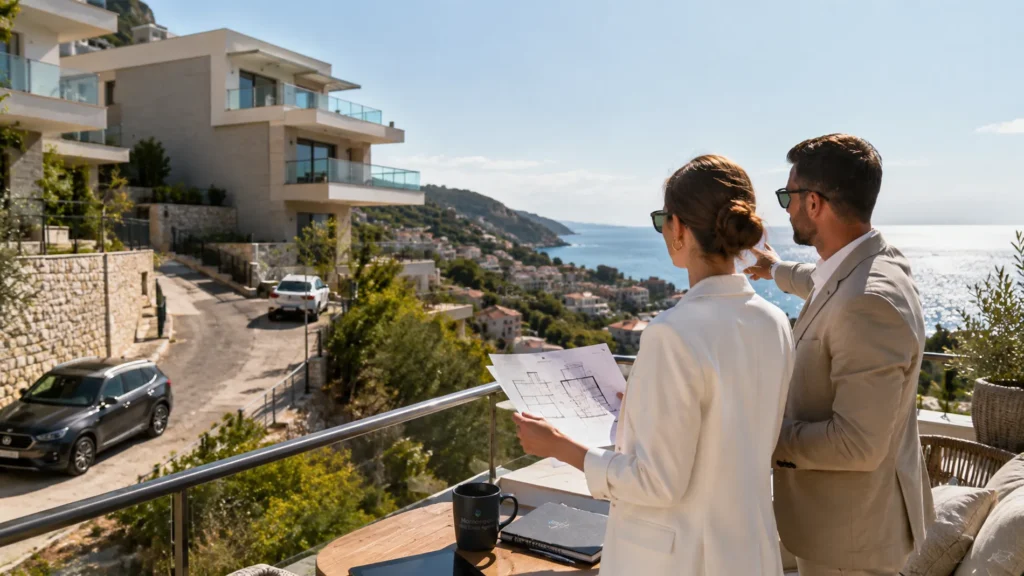
A property that looks straightforward in photographs can still require several separate checks before purchase. In Dobra Voda, buyers should examine the cadastral record, the legal basis of ownership, any registered encumbrances, applicable construction and use documentation, the status of the access road, and the actual utility connections serving the property. These checks should be carried out for the specific property rather than inferred from neighboring buildings.
Official cadastral checks are carried out through Montenegro’s Real Estate Administration, accessible via the gov.me portal. The key document is the List nepokretnosti, or property record, which contains information on the registered owner, property size, encumbrances, easements, and the legal classification of the property. In July 2026, Montenegro’s Real Estate Administration introduced an electronic service for obtaining official property records. Access to the official electronic-document service is subject to the identification requirements of the platform, so foreign buyers should confirm how the relevant document can be obtained in their particular case.
A property’s registration in the cadastre is essential, but it is not by itself proof that a transaction is legally risk-free. Registration alone does not automatically eliminate every potential legal issue.
Buyer Checklist: What to Verify Before Purchase
Ownership and legal basis of title — confirm who is legally registered as the owner, how ownership was acquired, and whether there are any competing claims or multiple parties asserting rights to the property.
Cadastral information — check that the property’s actual size matches the registered area and, in the case of houses and land plots, verify the precise boundaries of the parcel.
Encumbrances and restrictions — identify any mortgages, liens, court restrictions, rights of way, or easements relating to access roads or utilities.
Construction and use documentation — establish which permits, notifications, legalization records, or use documents apply to the particular building under current Montenegrin law, and verify that any extensions or alterations are reflected in the relevant records.
Legal status of the access road — establish whether the road leading to the property is public, private, or subject to a registered easement. A road that appears to be freely accessible may legally form part of privately owned land.
Utility documentation — review contracts and records for water and electricity supply, as well as documentation relating to a septic system if the property is not connected to a centralized sewer network.
Parking space — confirm whether a parking space is legally attached to the property or merely used informally by agreement with neighbors or other owners.
Outstanding debts and liabilities — check for unpaid utility bills, property-related taxes, maintenance fees, or debts owed to a property management company.
Planned development nearby — consult the relevant local authorities to determine whether permits have been issued for future construction that could obstruct the view, increase density, or materially change the character of the immediate area.
The actual route to the sea — walk it in person, record how long it takes, and assess the real conditions of the route rather than relying solely on the distance shown on a map.
An attractive sea view cannot compensate for a legal defect, poor road access, or a property that is inconvenient to use on a daily basis. Both sides of the purchase — the legal due diligence and the practical reality of living in the property — deserve equal attention.
For a more detailed explanation of the legal side of the transaction and the purchase process itself, see our guide to buying property in Montenegro.
Dobra Voda or Bar?
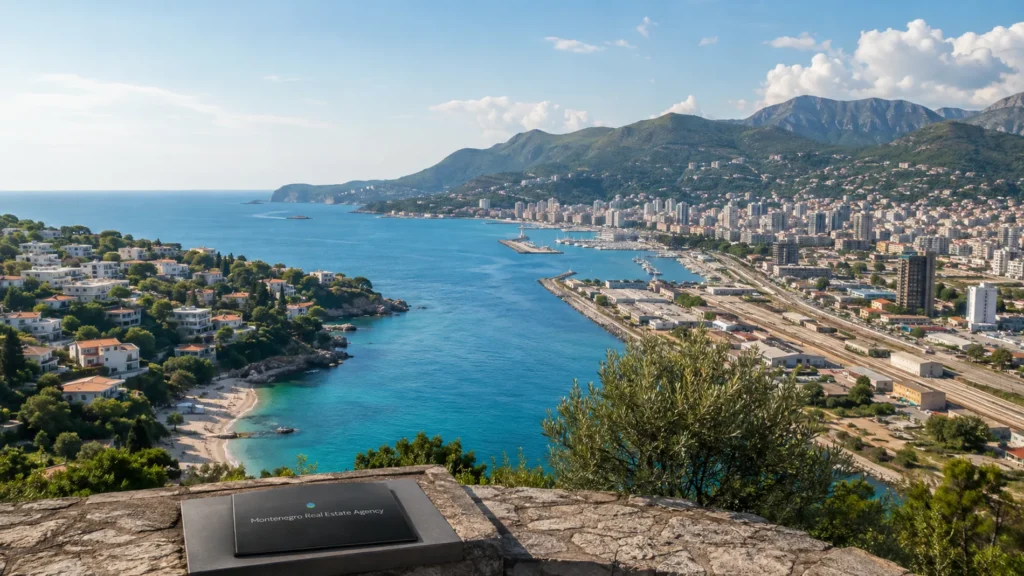
For many buyers, choosing between Dobra Voda and Bar is a genuine dilemma. Both can be excellent options, but they suit different people and different lifestyles. There is no clear winner here, and presenting one as objectively better than the other would be misleading.
| Criterion | Dobra Voda | Bar |
|---|---|---|
| Atmosphere | Intimate coastal setting, quiet surroundings, and nature | Urban center with year-round activity |
| Proximity to the sea | Beaches can be within walking distance, depending on the property | There is a city beach, but the sea is less central to everyday life |
| Urban infrastructure | Limited locally; most essential services are in Bar | Well developed: shops, hospitals, schools, banks, and other services |
| Life in winter | Very quiet, with some businesses and services closed | The city continues to operate at its normal year-round pace |
| Car | Highly useful for most year-round living scenarios | Considerably less important |
| Property choice | More limited, but still varied: apartments, houses, and villas | Broader range, from centrally located apartments to houses on the outskirts |
| Tourism potential | Tourism is strongly associated with the summer beach season; proximity to Veliki Pijesak is particularly relevant for holiday-oriented properties. | Demand is more diversified between tourism and year-round urban use; the profile varies considerably between the city center, Šušanj, and other parts of Bar. |
| Permanent residence | Possible, but generally dependent on having a car | More convenient for most everyday needs |
Dobra Voda has the advantage when it comes to the coastal lifestyle. If your main priority is waking up near the sea, living close to the beach, and enjoying open views without paying a premium for the bustle of a major resort, it may be the more logical choice. Bar, by contrast, is better suited to year-round living. If schools, healthcare, a broad range of services, and the ability to manage everyday life on foot without relying constantly on a car are important to you, the city offers clear advantages.
Anyone considering permanent residence with children should compare the two options particularly carefully — not only in terms of price per square meter, but also in terms of the practical logistics of everyday life.
If you are considering property in Bar as an alternative to Dobra Voda, you can explore current listings in our dedicated city catalogue.
Who Is Dobra Voda Best Suited For?
A useful question to ask before you even start viewing properties is not “Will I like the area?” but rather, “Does this area actually fit the way I plan to live?”
Dobra Voda is likely to be a good fit for:
- A buyer looking for a summer home, who plans to visit mainly in July and August and does not expect to live there year-round.
- A family with a car that is comfortable driving to Bar for some everyday services and sees the sea and beach as the main priority.
- A second-home owner who wants a property on the Montenegrin coast for personal holidays and, potentially, occasional rental use.
- Someone who deliberately prefers a smaller coastal community to a major resort, without the scale, crowds, and price levels associated with Budva.
- An investor who understands the seasonal nature of rental demand and does not expect consistent occupancy throughout the year.
- A remote professional who values peace, sea views, and a quiet working environment, provided there is reliable internet and they are comfortable being dependent on a car.
Dobra Voda is likely to be less suitable for:
- Someone who wants well-developed urban infrastructure within easy walking distance, including restaurants, shops, and everyday services without frequent car journeys.
- A family with school-age children for whom daily travel to Bar for school could become a significant inconvenience.
- A buyer who strongly prefers not to rely on a car as their primary means of transport.
- An investor expecting steady short-term rental occupancy twelve months of the year.
- Someone who wants an active social life and a wide range of events and activities within walking distance, even outside the summer season.
Choosing an area is ultimately about choosing a lifestyle. The sea looks equally beautiful in photographs across much of Montenegro’s coastline. The real difference is what an ordinary Monday in October feels like.
If you are unsure whether Dobra Voda or another part of the coast would suit you better, you can compare the most popular locations in our guide to the best places to buy property in Montenegro.
Pros and Cons of Dobra Voda
A balanced assessment of the area is what ultimately helps buyers make an informed decision.
Key advantages:
- Direct access to the Adriatic coast and two established local beach areas, Veliki Pijesak and Mali Pijesak.
- A more intimate, low-key atmosphere than Budva and other larger resort destinations.
- Attractive views over the Adriatic, particularly from properties located higher up on the hillsides.
- Close proximity to Bar, with its full range of urban infrastructure and everyday services.
- A broad choice of property types, from seafront apartments to houses and plots with panoramic views.
- A clear summer-rental use case for properties that combine practical beach access, parking, outdoor space, and appropriate management — although actual occupancy and income vary by property and season.
- A slower, quieter pace of life for buyers who value peace and privacy.
Practical limitations:
- Strong seasonality: much of the area’s activity is concentrated into the two main summer months.
- A noticeable reduction in services outside the high season, with many businesses closing until the following summer.
- The hilly terrain makes some properties far less convenient for walking than they may appear on a map.
- For many year-round residents, especially those living higher on the slopes, a car is the most practical way to handle everyday trips.
- Utility and engineering infrastructure can vary significantly, so connections and their condition should be checked individually for each property.
- Summer pressure on parking and narrow access roads can create inconvenience around the most popular beaches.
- Healthcare, education, and administrative services are concentrated in Bar rather than in Dobra Voda itself.
- Not every property marketed as being “close to the sea” offers a practical or comfortable daily walk to the beach.
Dobra Voda does not claim to be the universally best place to live or buy property in Montenegro. That would simply not be true. What the area offers is a very specific lifestyle: the sea just a short distance away, relative peace and quiet, attractive natural views, and reasonable access to the urban infrastructure of Bar. For some buyers, that is exactly what they are looking for. For others, it will not be enough.
When considering a purchase, it is far more useful to evaluate the exact property and address than to judge Dobra Voda “on average.” Four groups of factors largely determine how comfortable a particular property will be in everyday life:
Access and terrain — how exactly you will reach the beach, how parking works in practice, and whether the road to the property remains convenient in rainy weather and during the summer rush.
Year-round infrastructure — which essential services are available locally, which require a trip to Bar, and whether that routine fits your lifestyle.
Utilities and technical infrastructure — where the water supply comes from, how wastewater is handled, whether the available electrical capacity is sufficient, and how reliable the internet connection is. These are not minor technical details; they directly determine your day-to-day comfort.
Legal status — cadastral records, permits, encumbrances, and the legal status of the access road. None of these issues are visible in property photographs, yet they can materially affect the legal and practical risks associated with a purchase.
If you are considering Dobra Voda as a place to buy property, a sensible next step is to define your own intended use as clearly as possible: how often you expect to stay there, whether rental income matters to you, how important walking access to the sea is, and whether children or schooling are part of your plans. Once these priorities are clear, choosing the right property becomes significantly easier — and the risk of making the wrong decision is considerably lower.
For those exploring relocation options and wanting to understand whether purchasing property in Montenegro can provide a route to residency, our guide to obtaining a residence permit through property ownership may also be useful.
 Real estate in Georgia
 Real estate in Cyprus
 Real estate in the UAE
 Real estate in Bali
 Real estate in Thailand
 Real estate in Spain
 Real estate in Saudi Arabia
 Real estate in Turkey
 Real estate in Zanzibar
 +382 60 099359
 hello@residence-estate.me
 The Old Bakery Residences, Budva 85310, Montenegro


 Get catalogue of TOP-7 objects