
 +382 60 099359




Montenegro property taxes apply at four distinct stages: when you buy, while you own, when you earn rental income, and when you sell. Understanding which tax belongs to which stage — and how the amounts are calculated — is essential for building an accurate budget before committing to a purchase.
The two most significant purchase-stage taxes are the real estate transfer tax, which applies to most resale transactions, and VAT, which applies to the first taxable transfer of newly constructed property. These are not charged together on the same transaction; they represent alternative regimes depending on the legal character of the transfer and the seller’s tax status. Annual ownership costs are determined at the municipal level, while rental income and capital gains are each subject to their own rules.
Foreign buyers do not face a separate surcharge simply because of their nationality. The applicable taxes are generally the same for foreign and domestic purchasers, though the structure of the transaction, whether the property is held personally or through a company, and the buyer’s country of tax residence can all affect the overall picture. Municipal rates, assessed values and administrative procedures also vary across the country, which means that figures need to be verified for the specific property and location before signing anything.
| Tax | When it applies | Typical taxable base | Who normally pays |
|---|---|---|---|
| Real estate transfer tax | On purchase of resale property | Market value at time of transfer | Buyer |
| VAT | On first taxable transfer of new-build property | Sale price (often included) | Accounted for by seller |
| Annual property tax | Each year of ownership | Municipal assessed value | Owner |
| Rental income tax | When rental income is earned | Net rental income | Owner/landlord |
| Capital gains tax | On sale at a profit | Sale price minus acquisition cost | Seller |
Important Property Tax Changes in 2026
Two legislative developments are particularly relevant to property buyers and owners in 2026.
First, the Constitutional Court of Montenegro annulled provisions that treated “buildings under construction” and certain “other structures” as taxable real estate. The Court also annulled the special annual property tax rate of 0.30% to 5.00% previously prescribed for undeveloped construction land. The decision was scheduled for publication in the Official Gazette on 24 December 2025.
As a result, older online guides that continue to present the 0.30%–5.00% rate for undeveloped construction land as a generally applicable current rule may be outdated. Owners and buyers of development land should verify the current treatment with the relevant municipality.
Second, VAT rules were amended from 1 April 2026. The sale of construction land for which a building permit has been issued is now treated as a taxable supply for VAT purposes. Construction land without a building permit generally remains exempt, subject to the precise legal status of the transaction.
These changes are especially relevant to buyers acquiring development sites, unfinished projects or land sold together with a newly constructed building.
How Much Should You Budget Above the Property Price?
The purchase price is not the same as the total amount required to complete a property acquisition in Montenegro. Buyers should also budget for the applicable purchase-stage tax, professional fees, registration expenses, translation, banking charges and, where relevant, an agency commission.
| Purchase type | Indicative additional budget | Main components |
|---|---|---|
| Resale property | approximately 5–8% | transfer tax, notary, legal review, registration, translation and bank costs |
| New build with VAT included | approximately 2.5–5% | notary, legal review, registration, translation and bank costs |
| Premium or legally complex transaction | calculated individually | enhanced due diligence, corporate structuring and additional documentation |
These percentages are planning estimates rather than statutory tariffs. An agency commission should be included only where the buyer is contractually responsible for paying it.
For a new-build purchase, the buyer should obtain written confirmation that VAT is included in the quoted price. For a resale property, the largest variable purchase-stage cost is normally the progressive real estate transfer tax.
For example, a buyer considering a property priced at €250,000 might provisionally budget:
- approximately €12,500–€20,000 above the price for a resale property;
- approximately €6,250–€12,500 above the price for a new build where VAT is already included.
The final amount depends on the property value, whether the transaction is subject to VAT or transfer tax, the ownership structure, the scope of due diligence and the complexity of the documents.
Montenegro Property Tax Overview
Property-related payments in Montenegro fall into two broad groups: taxes imposed by law on specific transactions or situations, and fees or costs associated with the process of buying, registering or managing a property. Mixing these two groups leads to overestimates, confusion and missed planning steps.
| Tax | When it applies | Frequency | Taxable base |
|---|---|---|---|
| Real estate transfer tax | On eligible property purchases | One-time, at acquisition | The property’s taxable or transaction value |
| VAT | On the first taxable transfer of newly constructed property | One-time, at the first sale | The taxable sale price of the new property |
| Annual property tax | During property ownership | Recurring annually | The property’s assessed taxable value |
| Rental income tax | When the property is rented out | During the rental period | Rental income received by the owner |
| Capital gains tax | When the property is sold at a profit | At the time of sale | The taxable gain from the sale |
Each tax has its own rate, calculation method, exemptions and payment deadline.
The tax cost of a Montenegrin property depends less on the buyer’s nationality than on whether the asset is a new build, a resale, a rental property or a future sale.
One common source of confusion is the assumption that a flat rate applies to all property purchases. This is not accurate. The transfer tax follows a progressive bracket structure, meaning that the effective rate rises with the value of the property, but higher rates apply only to the portion of value above each threshold — not to the entire price. Similarly, the annual property tax cannot be estimated from the purchase price alone, because municipalities use their own assessed values and apply coefficients that vary by location, property type and use.
For example, a €250,000 resale property is not taxed at 5% on the full value. The first €150,000 is taxed at 3%, producing €4,500, while the remaining €100,000 is taxed at 5%, producing €5,000. The total transfer tax is therefore €9,500, which is an effective rate of 3.8% of the property value.
Annual property tax works differently. For example, an apartment purchased for €250,000 might be assigned a municipal assessed value of €200,000. If the applicable local rate is 0.50%, the annual tax would be €1,000. Another apartment bought for the same €250,000 could have a different annual tax bill because of its municipality, location zone, property type or intended use.
These figures are illustrative. The actual transfer-tax base and annual property-tax assessment must be confirmed for the specific property.
Montenegro does not generally impose a separate property-purchase tax surcharge solely because the purchaser is foreign. The tax treatment depends on the nature of the transfer, the seller’s VAT position and the type of property being acquired, not the buyer’s nationality. That said, a buyer’s tax obligations in their country of residence may still be relevant, particularly for income from renting or gains from selling, and those rules are separate from Montenegrin law.
Transfer Tax on Resale Property
The real estate transfer tax is charged when ownership of an existing property changes hands in a taxable transaction. It applies to most resale purchases — apartments, houses, land and commercial property — where the transaction is not already subject to VAT as a first developer sale.

The taxable base is the market value of the property at the time of transfer, as determined for tax purposes. This is not always identical to the price written in the contract. The relevant tax authority retains the right to reassess the declared value if it appears materially lower than the prevailing market rate for comparable properties in that area. Buyers should be aware that undervaluing a transaction in the contract does not guarantee a lower tax bill.
The tax is ordinarily paid by the buyer, and both foreign and domestic individuals and legal entities are subject to the same rate structure under Montenegrin law. According to the Law on Real Estate Transfer Tax, the progressive brackets are as follows:
- Up to €150,000: 3% of the property value
- Above €150,000 and up to €500,000: €4,500 plus 5% of the amount above €150,000
- Above €500,000: €22,000 plus 6% of the amount above €500,000
Real Estate Transfer Tax Exemptions
The progressive rates do not apply where a specific statutory exemption is available. Relevant exemptions may include:
- an adult Montenegrin citizen residing in Montenegro who acquires a residential building or apartment for the first time to meet their housing needs, provided that the statutory ownership conditions are satisfied; the exemption is limited to 20 square metres for each household member;
- real estate contributed to a company as an initial contribution or as part of an increase in share capital;
- real estate acquired through a qualifying merger, acquisition or division of companies;
- property acquired through restitution, qualifying expropriation procedures or certain public-interest arrangements;
- other transactions expressly exempted by law or an applicable international agreement.
The first-home exemption is not a general exemption for foreign buyers. It is limited to adult Montenegrin citizens residing in Montenegro who satisfy the statutory conditions, including the requirement that they do not already own a residential building or apartment in Montenegro.
An exemption should be confirmed before signing, because its availability depends on the legal basis of the transfer, the status of the purchaser and the supporting documents.
The table below illustrates how these brackets translate into actual tax liability across a range of purchase prices.
| Property value | Calculation | Estimated transfer tax | Effective rate |
|---|---|---|---|
| €100,000 | €100,000 × 3% | €3,000 | 3.00% |
| €250,000 | €4,500 + (€100,000 × 5%) | €9,500 | 3.80% |
| €500,000 | €4,500 + (€350,000 × 5%) | €22,000 | 4.40% |
| €750,000 | €22,000 + (€250,000 × 6%) | €37,000 | 4.93% |
As the purchase price increases, the effective tax rate also rises because only the amount above each threshold is taxed at the higher marginal rate.
The distinction between the marginal rate and the effective rate matters for planning purposes. The marginal rate is the rate that applies to the last euro of value within a bracket. The effective rate is the total tax divided by the total price, and it is always lower than the top marginal rate because earlier portions of the value were taxed at lower rates.
A €750,000 resale property is not taxed at 6% on the full price. The higher rate applies only to the value above the relevant threshold.
For a property at exactly €500,000, the tax is €22,000 — an effective rate of 4.40%. For a property at €750,000, the additional €250,000 above the top bracket threshold attracts 6%, adding €15,000 to bring the total to €37,000, an effective rate of just under 5%.
The purchaser is responsible for filing the real estate transfer tax return and paying the resulting liability. As a general rule, the return and payment must be completed within 15 days from the date on which the purchase agreement is concluded.
The filing is made with the competent tax authority for the location of the property. A Montenegrin lawyer, tax adviser or other properly authorised representative may normally complete the procedure for the buyer under a valid power of attorney.
The contractual price is not automatically accepted as the taxable value. If the tax authority considers that the declared price is below the property’s market value, it may determine a different taxable base using market evidence and its own valuation procedure.
Late filing or payment may result in default interest, penalties or enforcement measures under the applicable tax-procedure rules. Buyers should therefore arrange responsibility for the filing before the notarised agreement is signed.
Transfer Tax Filing and Payment Deadline
Documents Commonly Required for Transfer Tax
| Document | Why it may be required |
|---|---|
| Notarised purchase agreement | Confirms the transaction, parties and contractual value |
| Buyer’s identification document | Identifies the taxpayer |
| Property cadastre details | Identifies the taxable property |
| Transfer tax return | Declares the acquisition and taxable event |
| Power of attorney | Required where the procedure is handled by a representative |
| Supporting valuation documents | May be relevant if the declared value is reviewed |
| Proof of payment | Confirms settlement of the tax liability |
The precise document package should be confirmed with the competent tax office for the municipality in which the property is located. Additional corporate documents, translations, apostilles or evidence concerning the acquisition may be required depending on the buyer and transaction structure.
The usual sequence is:
- The purchase agreement is signed and notarised.
- The obligation to declare the transaction arises.
- The buyer or an authorised representative prepares and submits the tax return.
- The taxable amount is determined using the property’s market value.
- The resulting liability is paid within the applicable deadline.
- The buyer retains the return, tax decision or assessment and proof of payment.
The general filing and payment period is 15 days from the date of the purchase agreement. Where ownership is transferred through a court decision, inheritance procedure, corporate restructuring or another legal mechanism, the event from which the deadline runs may differ and should be confirmed for that transaction.
Example: Total Acquisition Budget for a €250,000 Resale Apartment
| Cost item | Illustrative amount |
|---|---|
| Purchase price | €250,000 |
| Real estate transfer tax | €9,500 |
| Notary fee | Obtain a transaction-specific quotation |
| Independent legal review | Agree the scope and fee in advance |
| Certified interpreter | If required for notarisation |
| Cadastre and administrative fees | According to the current applicable tariffs |
| Bank and international transfer costs | Bank-specific |
| Agency commission | Only if contractually payable by the buyer |
| Total cash requirement | Purchase price plus all verified taxes and transaction costs |
In this example, the €9,500 transfer tax is only one part of the acquisition budget. The buyer should obtain separate written quotations for the notary, independent legal review, interpretation, registration and international payment costs before signing.
Using the general planning range described above, the buyer might initially reserve approximately €12,500–€20,000 above the purchase price. This is not an official tariff or guaranteed final amount.
VAT on New-Build Property
VAT generally applies to the first taxable transfer of the right to dispose of newly constructed immovable property. This is an alternative to the real estate transfer tax — the two are not charged together on the same transaction, but represent different regimes depending on the nature and status of the supply.
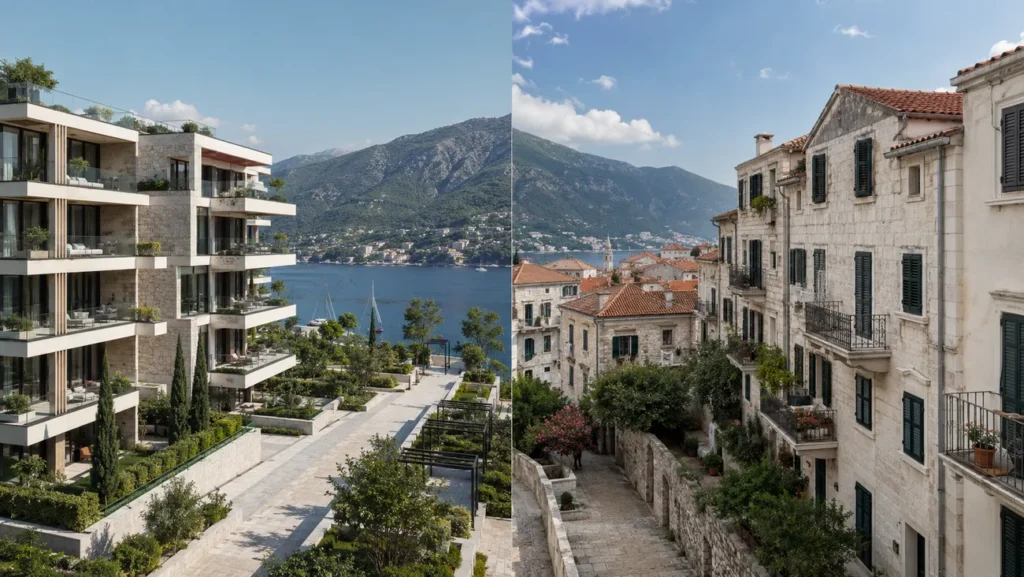
The standard VAT rate in Montenegro is 21%. The exact VAT treatment of a new-build transaction — including which components of the price are subject to VAT and at what rate — should be confirmed from the developer’s contract, invoice and current legislation before signing. Because VAT is a charge accounted for by the seller, it is frequently included in the advertised price rather than added on top. Buyers should always request written confirmation of whether a quoted price is VAT-inclusive, and if it is not, the additional amount can be substantial.
The qualifying conditions for VAT treatment relate to the legal character of the transfer, not simply the age of the building or the marketing identity of the seller. A property in a recently completed development will not automatically qualify for VAT treatment — what matters is whether the transaction constitutes the first taxable transfer of a newly constructed property under the applicable rules. Subsequent transfers of the same property will generally fall outside that first-transfer VAT treatment and may instead attract the real estate transfer tax.
From 1 April 2026, the sale of construction land for which a building permit has been issued is subject to VAT, whether the land is sold separately or together with a newly constructed building. Construction land without a building permit generally remains exempt from VAT.
Advance payments received before 1 April 2026 are not subject to the new treatment, and the amendments do not require an adjustment of VAT for those advance payments on the related final invoice.
Buyers should therefore verify whether a valid building permit exists, how the land and building components are described in the contract and invoice, and whether the quoted price includes the applicable VAT.
Once a property has been transferred for the first time and is later resold on the secondary market, that subsequent transaction will generally be dealt with under the transfer tax regime rather than VAT. Buyers planning to acquire a new-build property and later sell it should factor this into their long-term planning.
| Issue | First sale from developer | Resale property |
|---|---|---|
| Main tax | VAT (typically included in price) | Real estate transfer tax |
| Who accounts for it | Developer / seller | Buyer files and pays |
| Usually included in advertised price | Often yes — confirm in writing | No — separate buyer cost |
| Transfer tax also due | Generally no | Yes |
| Key point to verify | VAT rate, whether price is inclusive | Declared value vs assessed value |
Looking for a property that fits both your budget and expected ownership costs? Get a personalised selection of properties in Montenegro based on your preferred location, property type and purchase plan.
Get a selection of properties
Annual Property Tax
Every property owner in Montenegro — or the legally established user of the property in certain cases — is liable for an annual property tax. This is a recurring obligation that continues for as long as the property is held, regardless of whether it is occupied, rented or left vacant.
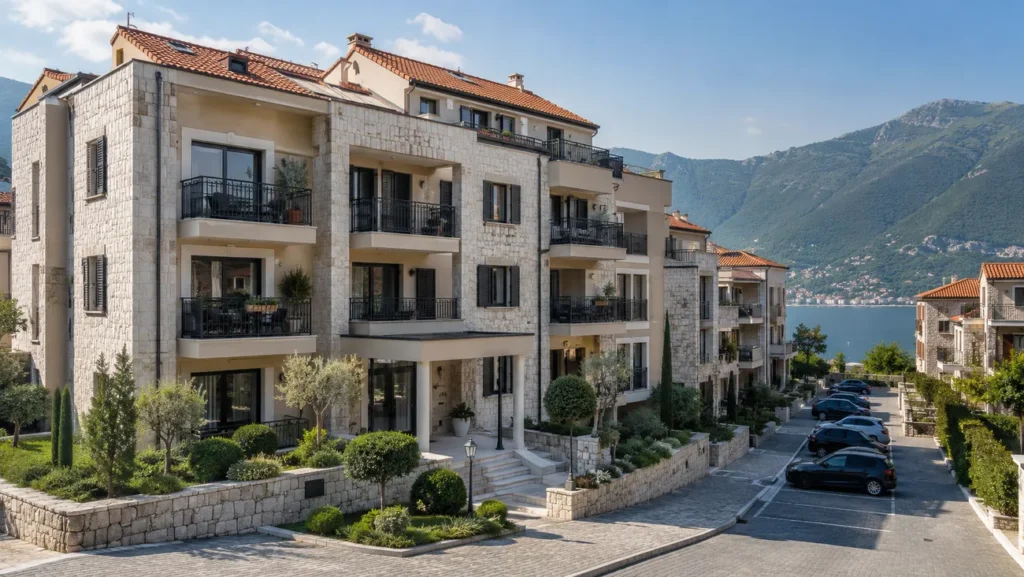
The general statutory range for annual property tax is 0.25% to 1.00% of the property’s determined market value. However, certain categories of property may fall within special statutory ranges.
Secondary residential properties or apartments may be taxed within a range of 0.30% to 1.50%. Unauthorised structures used to meet housing needs may also fall within a range of 0.30% to 1.50%, while unauthorised structures that are not used to meet housing needs may be subject to a rate of up to 2.00%.
Older sources may also refer to a special rate of 0.30% to 5.00% for undeveloped construction land. That provision was annulled by the Constitutional Court and should not be presented as a current generally applicable rate without checking whether replacement legislation has subsequently been adopted.
Within the applicable statutory framework, each municipality determines its own rates and valuation coefficients. The actual annual liability must therefore be confirmed from the municipal tax decision for the specific property.
Factors that can influence the annual tax calculation include:
- Municipality — each local authority sets its own rates and coefficients within the statutory range
- Location zone — properties in prime coastal or urban zones may attract higher assessed values
- Property type — apartment, house, commercial unit and land are assessed differently
- Quality and condition — construction quality and age may be considered in some valuations
- Use — whether the property serves as a primary residence, a secondary home or an income-producing asset
- Locally applied coefficients — municipalities may apply multipliers for certain zones or uses
- Municipal valuation — the assessed market value used by the authority, which may differ from the purchase price
Primary Residence Property Tax Reduction
A residential building or apartment that serves as the taxpayer’s residence or permanent place of stay may qualify for a reduction in annual property tax.
The reduction is:
- 20% for the taxpayer;
- an additional 10% for each household member;
- subject to a maximum total reduction of 50% of the assessed property tax.
The relief should not be treated as automatic. The owner should confirm the municipality’s requirements concerning residence, household members and the documents needed to claim the reduction.
A property used primarily as a holiday home, investment property or short-term rental should not be assumed to qualify merely because the owner occasionally stays there.
The assessed market value used for tax purposes is determined by the municipality, not taken directly from the purchase contract. A property bought for €250,000 might be assessed at a somewhat different figure for annual tax purposes, depending on how the local authority has valued comparable properties in the area. Buyers should not assume that the contract price will serve as the tax base.
The examples below apply the statutory rate band to an assumed assessed value. They do not estimate the bill from the advertised or contract price — the municipal authority determines its own assessed value independently.
| Illustrative assessed value | At 0.25% | At 1.00% |
|---|---|---|
| €150,000 | €375/year | €1,500/year |
| €300,000 | €750/year | €3,000/year |
| €600,000 | €1,500/year | €6,000/year |
When and How Is Annual Property Tax Paid?
Annual property tax is administered by the municipality in which the property is located. For annual tax purposes, the taxpayer is generally the person recorded as the owner of the property on 1 January of the relevant tax year. The property’s taxable market value is also determined by reference to its position and value on 1 January.
The competent municipal authority generally issues the annual tax decision by 30 April. The decision states the assessed market value, applicable rate, total annual liability, payment instructions and available appeal procedure.
The annual liability is generally payable in two equal instalments:
| Stage | General timing |
|---|---|
| Ownership and taxable value determined | 1 January |
| Municipal tax decision issued | Generally by 30 April |
| First instalment | By 30 June |
| Second instalment | By 31 October |
Because taxpayer status is determined by reference to ownership on 1 January, the sale of a property later in the year does not necessarily transfer the existing annual assessment to the buyer. As a practical contractual matter, the buyer and seller may agree to apportion the annual cost between them, but this private arrangement should not be assumed to change the taxpayer recorded by the municipality.
Before completion, the parties should obtain the latest tax decision, payment receipts and, where available, a municipal statement showing whether any property-tax debt, default interest or enforcement balance remains outstanding.
The owner should follow the payment instructions and reference details shown in the municipal decision. A payment should normally identify the taxpayer, the property or tax-account reference, the relevant year and the type of liability.
Payment from a foreign bank account may be possible, but the owner should confirm the municipality’s IBAN, SWIFT details, payment reference and treatment of correspondent-bank charges. The amount received by the municipality must be sufficient to settle the liability in full.
If the decision is not received, the owner should contact the municipal tax department or appoint a representative to obtain a copy. The owner may also request a statement of account showing assessed liabilities, recorded payments, interest and any outstanding balance.
Before a purchase or sale, the parties should request written confirmation of the current annual tax position and, where available, confirmation that no outstanding municipal property-tax liability remains.
Annual Property Tax by Municipality: What to Verify
| Municipality | What may affect the assessment | What the buyer should request |
|---|---|---|
| Budva | Zone, coastal location, use and property type | Latest tax decision and assessed value |
| Kotor | Protected area, location zone and property characteristics | Applicable coefficients and outstanding balance |
| Tivat | Premium location, property type and use | Municipal valuation and current annual charge |
| Herceg Novi | Location, condition and intended use | Latest decision and payment status |
| Bar | Urban or coastal zone and property category | Assessed value and applicable rate |
| Podgorica | Urban zone, property type and intended use | Municipal calculation and payment schedule |
This table does not state that one municipality necessarily has a higher or lower tax rate than another. The actual assessment must be confirmed using the municipality’s current decision and valuation methodology.
Two properties with the same purchase price can receive different annual tax assessments because their municipal assessed values, location zones, uses and property characteristics may differ.
Where the property is located affects not only its market price but also its ongoing ownership costs. The best places to buy property in Montenegro vary considerably in terms of municipal levies, location coefficients and assessed values, and it is worth factoring these differences into any comparison between locations.
Example: Annual Ownership Budget for an Apartment
| Annual cost | Calculation basis |
|---|---|
| Annual property tax | Municipal assessed value and applicable rate |
| Building maintenance or HOA | Building or management-company tariff |
| Property management | Percentage of rent or fixed fee |
| Insurance | Selected risks and coverage limits |
| Utilities while vacant | Provider tariffs and minimum standing charges |
| Tourist-related charges | Only where the property is used for tourist accommodation |
| Accounting and tax reporting | Where the property produces taxable income |
Annual property tax is therefore only one part of the carrying cost of a Montenegrin property. An investment calculation should also include maintenance, utilities, insurance, management, periods without rental income and any reporting or tourism-related costs.
Rental Income Tax
Earning rental income from a Montenegrin property creates a tax liability in Montenegro, regardless of where the owner is resident. Non-resident status does not exempt an owner from Montenegrin tax on income derived from property located in the country.

According to the PwC Worldwide Tax Summaries for Montenegro, rental income received by individuals is subject to personal income tax. The applicable rate for rental income is currently 15%. This applies to the taxable rental income, which is not necessarily the same as the gross rent collected.
Local Surtax on Rental Income Tax
A local surtax may be payable in addition to personal income tax where the taxpayer is domiciled in a Montenegrin municipality.
The surtax is calculated on the amount of personal income tax assessed, not on the gross rent or taxable rental income:
- 13% of the assessed personal income tax in most municipalities;
- 15% of the assessed personal income tax in Podgorica and Cetinje.
For example, a 13% surtax does not increase a 15% rental income tax rate to 28%. It is calculated as 13% of the personal income tax already assessed.
Its application to a non-resident owner should be confirmed separately, because the surtax is connected to the municipality in which the taxpayer is domiciled.
Additional Obligations for Short-Term Rentals
Short-term tourist accommodation may involve obligations that do not normally apply to an ordinary long-term residential tenancy. Depending on the property and operating model, these may include approval or categorisation of the accommodation, registration of guests, collection or reporting of tourist tax, maintenance of booking records and compliance with local tourism requirements.
| Obligation | Long-term rental | Short-term tourist rental |
|---|---|---|
| Rental income reporting | Yes | Yes |
| Guest registration | Generally not tourist registration | Generally required |
| Tourist tax | Usually not applicable | May apply |
| Accommodation approval | Depends on use | May be required |
| Booking-platform records | Not normally central to the activity | Should be retained |
| Local tourism obligations | Limited | May apply |
Tourist tax is separate from the owner’s rental income tax. One is connected with tourist stays and local tourism administration; the other is a tax on the owner’s taxable income.
Where a management company operates the property, the management agreement should clearly allocate responsibility for guest registration, tourist-tax collection, reporting, invoices, platform records and income-tax documentation.
Owners who are tax resident in another country should also consider whether their home country taxes the same rental income and whether a double taxation agreement between that country and Montenegro applies. Montenegro has agreements with a number of countries that may affect how rental income is taxed across borders — this is a separate question from the Montenegrin obligation and depends on the specific treaty.
The difference between owning a property personally and holding it through a company is relevant here. A corporate structure changes the applicable tax regime, the rate, the reporting obligations and the costs, and is not automatically more advantageous. This should be assessed against the specific circumstances rather than assumed to be beneficial.
Before purchasing a property with the intention of renting it out, it is worth confirming that the property is legally permitted to be used for that purpose. Montenegro real estate due diligence covers more than just title and permits — it includes checking whether short-term or tourist rental is actually allowed for a given property and in a given location.
Not Sure Which Property Fits Your Goals?
The same tax rules can lead to very different ownership costs depending on the property’s location, price, rental strategy and intended use. Answer a few quick questions and we’ll prepare a personalised shortlist of properties that best matches your budget and investment objectives.
Capital Gains Tax
When a property is sold for more than its acquisition cost, the resulting gain is generally subject to capital gains tax in Montenegro. The applicable rate for individuals is 15%, consistent with the broader personal income tax framework as reflected in the PwC Worldwide Tax Summaries.
Where the seller is domiciled in a Montenegrin municipality, a local surtax may also apply to the assessed personal income tax. The surtax is generally 13% of the personal income tax amount, or 15% in Podgorica and Cetinje.
The surtax is not calculated directly on the sale price or capital gain. Its application should be confirmed according to the seller’s domicile and tax status.
PwC describes the taxable gain as the difference between the sale price and the price at which the taxpayer acquired the property. Whether particular transaction costs or later improvement expenses can be included in the tax basis should be confirmed under the current personal income tax rules and supported by appropriate documentation.
Keep the purchase contract, payment records and invoices for major works. Missing documentation can make it harder to establish the true taxable gain when the property is sold.
Owners should retain invoices and payment records for acquisition-related costs and any significant works carried out on the property. A Montenegrin tax adviser should confirm which documented amounts may be recognised when the taxable gain is calculated. Treating record-keeping as an afterthought is a common mistake that can result in a higher tax bill than necessary.
Costs and Documents Relevant to Capital Gains
The starting point for calculating a capital gain is the difference between the recognised disposal value and the acquisition value of the property. Depending on the applicable rules, certain documented acquisition, transaction, improvement and disposal costs may also be relevant.
No expense should be treated as automatically deductible. Its recognition depends on the nature of the cost, the available supporting evidence and the tax rules in force when the property is sold.
The owner should retain documents relating to:
- the documented acquisition price;
- transfer tax paid on acquisition;
- notary and registration expenses;
- independent legal expenses;
- substantial construction or capital improvements;
- reconstruction works and required approvals;
- ordinary repairs, maintenance and furniture;
- agency commission and other documented selling costs.
Ordinary maintenance, movable furniture and capital improvements may receive different treatment. Their recognition depends on the nature of the expense, the applicable legislation and the supporting evidence.
| Cost or document | Why it should be retained |
|---|---|
| Purchase agreement | Establishes the acquisition value |
| Bank payment evidence | Confirms the actual payment |
| Transfer tax receipt | Proves acquisition-stage tax paid |
| Notary and registration invoices | May support transaction costs |
| Construction and renovation invoices | May support qualifying improvements |
| Building permits and approvals | Support the nature of major works |
| Sale agreement | Establishes the disposal value |
| Agency invoice | Documents selling costs |
Owners may generally deduct a portion of costs from their gross rental receipts before calculating the tax. Two approaches are typically available: claiming documented actual expenses supported by receipts and invoices, or applying a standardised deduction based on a percentage of gross income where the rules permit it. The applicable deduction method and percentage should be confirmed for the relevant tax year and property type, as the rules can change and not every expense category is necessarily recognised.
The following is a simplified illustration of how rental income tax might be calculated using the 30% standard-cost deduction described by PwC where actual rental expenses are not documented. It is not a substitute for professional advice.
| Annual gross rent | Standard costs at 30% | Illustrative taxable income | Illustrative tax at 15% |
|---|---|---|---|
| €12,000 | €3,600 | €8,400 | €1,260 |
| €24,000 | €7,200 | €16,800 | €2,520 |
| €40,000 | €12,000 | €28,000 | €4,200 |
The figures above show the illustrative personal income tax only. They do not include any applicable municipal surtax.
| Rental situation | Standard deduction |
|---|---|
| Standard residential rental | 30% |
| Qualifying tourist accommodation | 50% or 70% |
| Documented actual expenses | May apply instead, where permitted |
Which deduction method applies depends on the type of rental activity and the available supporting documentation.
Different standard-cost percentages — 50% or 70% — may apply to qualifying tourism rentals under certain conditions. Owners who can document actual expenses may apply those instead of the standard deduction, which could produce a different result.
PwC reports exemptions for real estate used by the taxpayer as their only and main place of residence, and for certain transfers between spouses or to close family members. Each exemption depends on its statutory conditions being met and should be verified before the sale or transfer is completed. Long ownership duration does not by itself guarantee an exemption under Montenegrin law, and exemptions should not be assumed without confirming the current legal requirements.
Where a property is owned through a company rather than personally, the gain on sale would be treated as corporate income rather than personal capital gains, and a different tax regime applies. The implications for the overall tax burden depend on the company’s structure, costs and distribution plans. Sellers who are resident in another country should also consider whether that country taxes the same gain — a double taxation agreement may reduce or eliminate overlapping liability, but this depends on the specific treaty.
For a broader perspective on risks that affect resale value and the costs of getting things wrong at the purchase stage, see our overview of mistakes buying property in Montenegro.
Other Property-Related Taxes
Beyond the five main taxes, a small number of additional situations are worth understanding before buying or restructuring an ownership arrangement.
Inheritance and Gifts
When property is transferred as an inheritance or gift, a separate tax regime applies. The treatment depends primarily on the succession category of the recipient: heirs in the first order of succession — generally a spouse, children and parents — may qualify for an exemption, while transfers to more distant heirs or unrelated recipients may be taxable under the transfer tax or inheritance tax rules. The specific conditions, exemptions and applicable rates should be confirmed by the notary handling the estate, as the rules depend on the individual relationship and circumstances.
Where the recipient is also resident in another country, cross-border inheritance or gift tax obligations in that jurisdiction may also be relevant. The applicable succession category and tax treatment should be confirmed before a transfer is completed.
Tourist and Local Charges
Property owners who let their properties to guests should be aware of the distinction between different types of charges. The annual property tax is the recurring municipal levy on the owner. Separately, guests staying in short-term accommodation are typically required to pay a tourist tax; for registered accommodation, the host or accommodation provider may have duties relating to guest registration, collection or reporting of this charge to the local authority. In some municipalities, additional property-related charges connected to tourist activity may also apply. These are distinct obligations, and treating them as one combined payment can lead to filing errors.
The exact procedure, registration requirements and amounts should be confirmed with the relevant municipality or local tourist organisation before beginning to let a property.
Buying Through a Company
| Issue | Personal ownership | Company ownership |
|---|---|---|
| Purchase-stage tax | Depends on VAT or transfer-tax status | Also depends on VAT or transfer-tax status |
| Rental income | Personal income-tax rules | Corporate income-tax rules |
| Accounting | Limited personal reporting | Ongoing bookkeeping and tax filings |
| VAT recovery | Generally unavailable for private use | May be possible subject to VAT conditions |
| Sale of property | Personal capital-gains regime | Corporate income treatment |
| Distribution of profit | Not applicable | Dividend taxation may arise |
| Annual compliance | Generally lower | Company maintenance and accounting costs |
| Estate planning | Personal succession rules | Shares and corporate structure must be considered |
Purchasing through a company is not automatically more tax-efficient. The comparison should include corporate income tax, bookkeeping, annual filings, banking costs, VAT status, extraction or distribution of profit and the tax consequences of a future sale of either the property or the company’s shares.
Taxes and Other Buying Costs
One of the most common planning errors is treating every purchase-related cost as a “tax.” Some costs are taxes — legally mandated charges calculated on the value of the transaction or property. Others are professional fees, administrative charges or service costs. The distinction matters, not least because taxes are non-negotiable while fees may vary.
| Cost | Tax or fee | One-off or recurring | Usually paid by | What to verify |
|---|---|---|---|---|
| Real estate transfer tax | Tax | One-off | Buyer | Applies to resale; confirm rate bracket |
| VAT on new build | Tax | One-off | Via developer | Whether price is VAT-inclusive |
| Annual property tax | Tax | Recurring | Owner | Municipal rate and assessed value |
| Notary fees | Fee | One-off | As agreed; commonly borne by buyer | Local notary tariffs |
| Legal / independent review | Fee | One-off | Buyer | Scope and cost agreed in advance |
| Certified interpreter | Fee | One-off | Buyer | Required for certain signings |
| Cadastre / admin fees | Fee | One-off | Buyer | Current registration charges |
| Agency commission | Fee | One-off | Varies by agreement | Who pays, as agreed in the transaction |
| International transfer costs | Fee | One-off | Buyer | Bank charges, correspondent fees |
| Building maintenance / HOA | Fee | Recurring | Owner | Monthly or annual service charge |
| Utility reconnections | Fee | One-off | Buyer | Provider-specific setup fees |
Bank Payment Rules for Property Transactions
Amendments published in Montenegro in May 2026 introduced stricter payment requirements for real estate transactions exceeding €10,000.
Payments under such transactions must be processed through the banking system and must involve a bank account maintained in Montenegro. The purchase agreement and payment instructions should clearly identify which Montenegrin account is being used and how the purchase price, deposits and instalments will be transferred.
Where part of the purchase price or an advance payment was made before notarisation, the notary may require documentary evidence showing that the banking transaction was completed. A statement by the parties that payment has been made is not sufficient by itself.
Foreign buyers should confirm the payment route before signing and allow time for:
- bank compliance and source-of-funds checks;
- opening an account where required;
- international SWIFT transfers;
- correspondent-bank charges;
- currency conversion;
- obtaining payment confirmations for the notary.
The buyer should not transfer funds to a private or third-party account that is not clearly identified in the notarised transaction documents without obtaining independent legal confirmation.
Notary fees in Montenegro are set by a regulated tariff and can therefore be estimated from the property’s value. Under the tariff effective from 9 April 2026, the basic fee for a standard notarial deed ranges from €180 for property worth up to €19,999.99 to €480 for property worth between €80,000 and €119,999.99. Above €120,000, the fee increases by €13 for every commenced €15,000 of value, up to a maximum basic fee of €8,000. VAT, administrative charges and any additional notarial services are calculated separately.
It is also worth noting that agency commissions are not a fixed rule: who pays the fee depends on how the transaction has been agreed, and this should be clarified before making an offer. Some developers include agency costs in their pricing; in resale transactions, the structure varies.
For buyers who intend to complete a purchase without being physically present in Montenegro, the process involves additional planning around power of attorney, remote document signing and international payment arrangements.
Notary Fees in Montenegro
Notarial fees are calculated under a regulated tariff rather than freely negotiated in the same way as an ordinary commercial service. However, the final invoice depends on the value of the transaction, the type of notarial instrument and the additional documents or services required.
Separate charges may arise for powers of attorney, consents, certified copies, additional originals, statements, annexes and other notarial actions. Applicable VAT and reimbursable expenses should also be confirmed when requesting the quotation.
| Property value | Indicative basic notary fee | Basic fee with 21% VAT |
|---|---|---|
| Up to €19,999.99 | €180 | €217.80 |
| €20,000–€39,999.99 | €250 | €302.50 |
| €40,000–€59,999.99 | €350 | €423.50 |
| €60,000–€79,999.99 | €420 | €508.20 |
| €80,000–€119,999.99 | €480 | €580.80 |
| Above €120,000 | €480 + €13 for each commenced €15,000 above €120,000 | VAT added to the calculated fee |
| Maximum basic fee | €8,000 | €9,680 |
These figures show the basic tariff fee only. The final invoice may also include charges for certified copies, additional originals, powers of attorney, annexes, interpretation, administrative expenses and other transaction-specific services.
The selected notary should provide a written estimate before notarisation. The estimate should distinguish the main notarial fee from VAT, copies, certifications, interpretation and any other separately charged services.
Explore Properties Available in Montenegro


 Bar
Bar от 37,5м²
 Budvaот 63м²
 Ulcinjот 31.77м²
 Budvaот 37.9м²
Legal, Translation and Registration Costs
| Cost | How it is usually calculated | What affects the amount |
|---|---|---|
| Independent legal review | Fixed fee, staged fee or percentage | Title history, permits, encumbrances, corporate seller and transaction complexity |
| Certified interpreter | Per appointment or by time spent | Duration and complexity of the notarial signing |
| Document translation | Per page or document | Volume, language and certification requirements |
| Cadastre registration | Administrative tariff | Type and number of applications |
| Power of attorney | Drafting, notarisation and legalisation | Country of issue, translation and apostille requirements |
| International payment | Bank tariff | Currency conversion, sender bank and correspondent banks |
The notary and the buyer’s independent lawyer perform different functions. The notary authenticates the transaction and ensures that the notarial instrument satisfies the applicable formal requirements. The independent lawyer investigates the property and represents the buyer’s interests.
A certified interpreter ensures that a party who does not understand the language of the notarial instrument can understand the document and the legal consequences of signing it. The interpreter does not replace independent legal advice.
Because these services are priced according to the transaction and provider, buyers should obtain written quotations rather than relying on a single nationwide estimate.
Three Practical Tax Scenarios

The following scenarios are planning illustrations, not official tax assessments. They are designed to show how the main taxes interact for properties of different types and values. Actual amounts depend on municipal decisions, the verified status of the property and individual circumstances.
Scenario 1: €140,000 Resale Apartment
| Additional item | Example |
|---|---|
| Notary fee | Obtain a written quotation under the current tariff |
| Independent legal review | Agree the scope and fee before reservation |
| Certified interpreter | Include if required for the signing |
| Cadastre and bank costs | Verify current tariffs and bank charges |
| Indicative amount above the price | Approximately €7,000–€11,200, subject to verification |
| Transfer-tax deadline | Return and payment generally due within 15 days of the contract date |
This example illustrates a straightforward resale purchase. Although the transfer tax is easy to calculate, the annual property tax depends on the municipality’s assessment rather than the purchase price.
Scenario 2: €280,000 New-Build Apartment
| Item | Example | Notes |
|---|---|---|
| Purchase price | €280,000 | Newly constructed apartment |
| Transfer tax | Generally not applicable | Where VAT applies to the first taxable transfer |
| VAT | Confirm with developer | Check whether already included in the purchase price |
| Annual property tax | Approx. €700–2,800 | Based on municipal assessment |
| Main verification | VAT treatment | Confirm contract and invoice before signing |
The buyer should model two different price presentations:
- VAT included: the stated €280,000 already contains the VAT accounted for by the developer. The buyer should budget separately for the notary, legal review, interpretation, registration and bank costs.
- VAT excluded: VAT must be added according to the treatment stated in the contract and invoice, materially increasing the required budget.
Before signing, confirm that the transaction is the first taxable transfer of newly constructed property rather than a resale. A corporate purchaser should also obtain accounting advice on whether it will be VAT-registered, whether the property will be used for taxable business activity and whether any input VAT deduction may be available.
Scenario 3: €650,000 Coastal Villa Rented Seasonally
| Item | Example |
|---|---|
| Purchase price | €650,000 |
| Real estate transfer tax | €31,000 |
| Annual property tax | Approx. €1,625–6,500 |
| Gross annual rental income | €50,000 |
| Illustrative rental income tax | €5,250 |
| Future sale price | €800,000 |
| Illustrative capital gain | €150,000 |
| Illustrative capital gains tax | €22,500 |
This scenario combines several tax categories that may apply throughout the ownership period. The actual tax position depends on the property’s use, supporting documentation and the applicable legislation at the time of purchase and sale.
| Additional first-year item | Calculation basis |
|---|---|
| Tourist-accommodation registration | Current local and tourism-authority requirements |
| Tourist tax | Separate from rental income tax |
| Property management | Agreed percentage or fixed annual fee |
| Maintenance and servicing | Actual villa and equipment budget |
| Insurance and vacant-period utilities | Provider and insurer quotations |
| Rental expense documentation | Invoices and bank-payment evidence |
| Future capital-gains file | Purchase contract, tax receipt, improvement invoices and permits |
The first-year ownership cost should be shown separately from the acquisition cost and should include annual property tax, management, maintenance, insurance, utilities, tourism-related compliance and rental-income reporting.
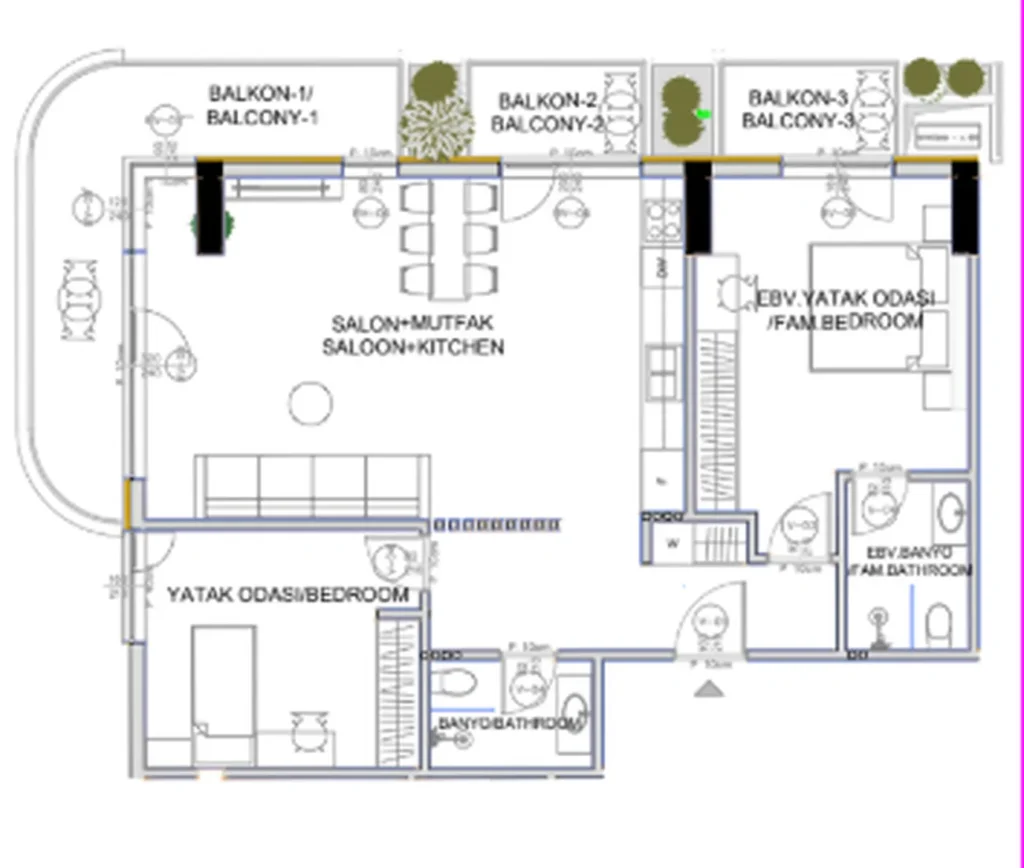
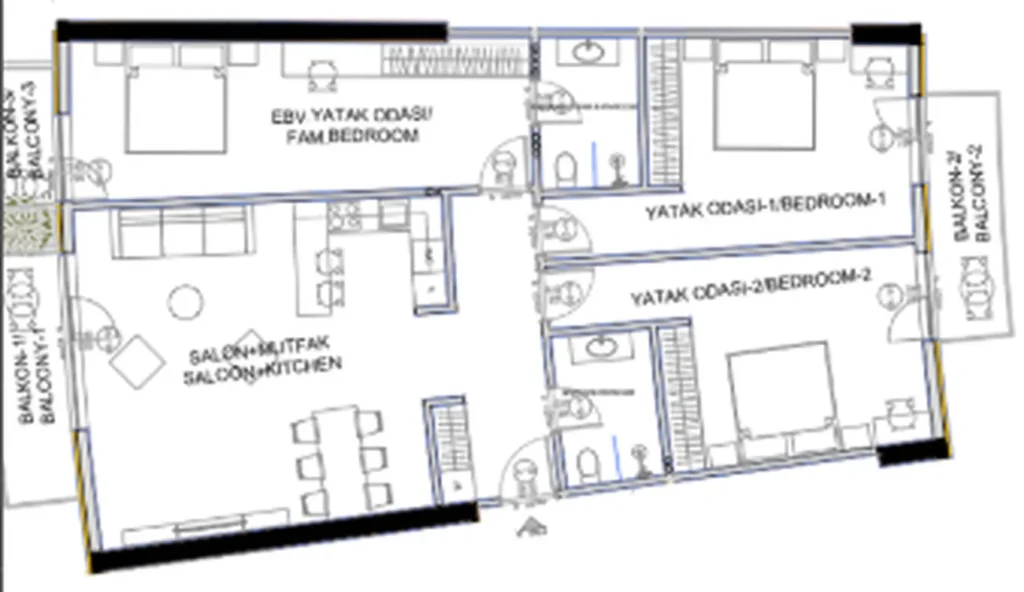
Explore Typical Layouts
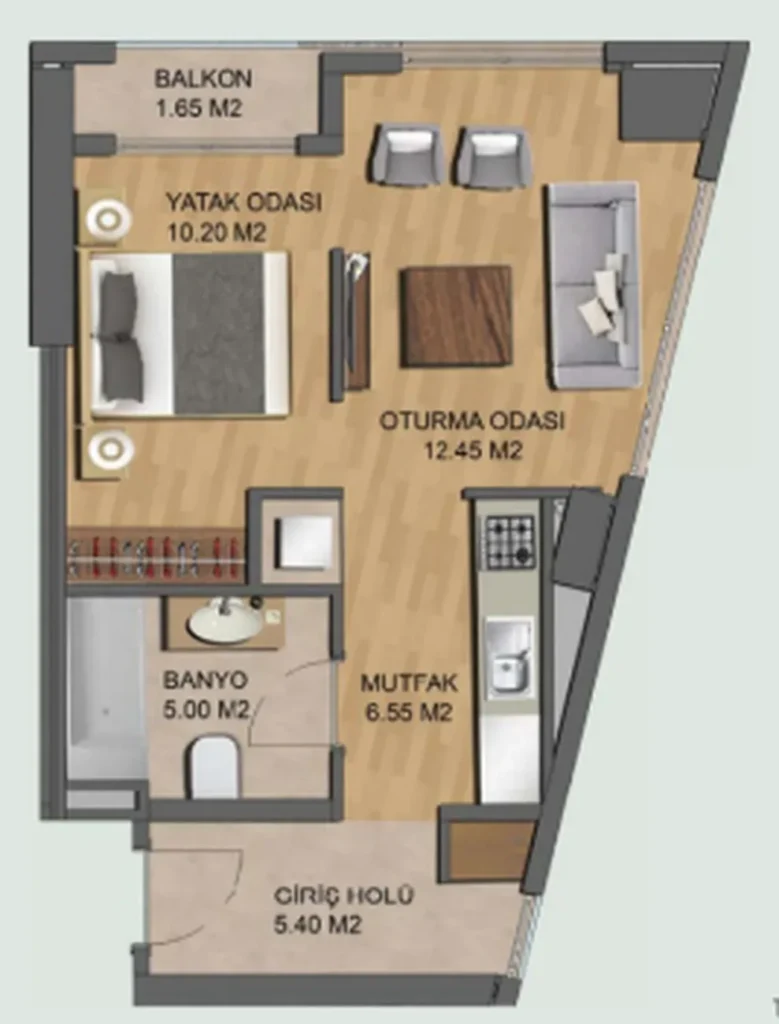
 Wyndham Garden


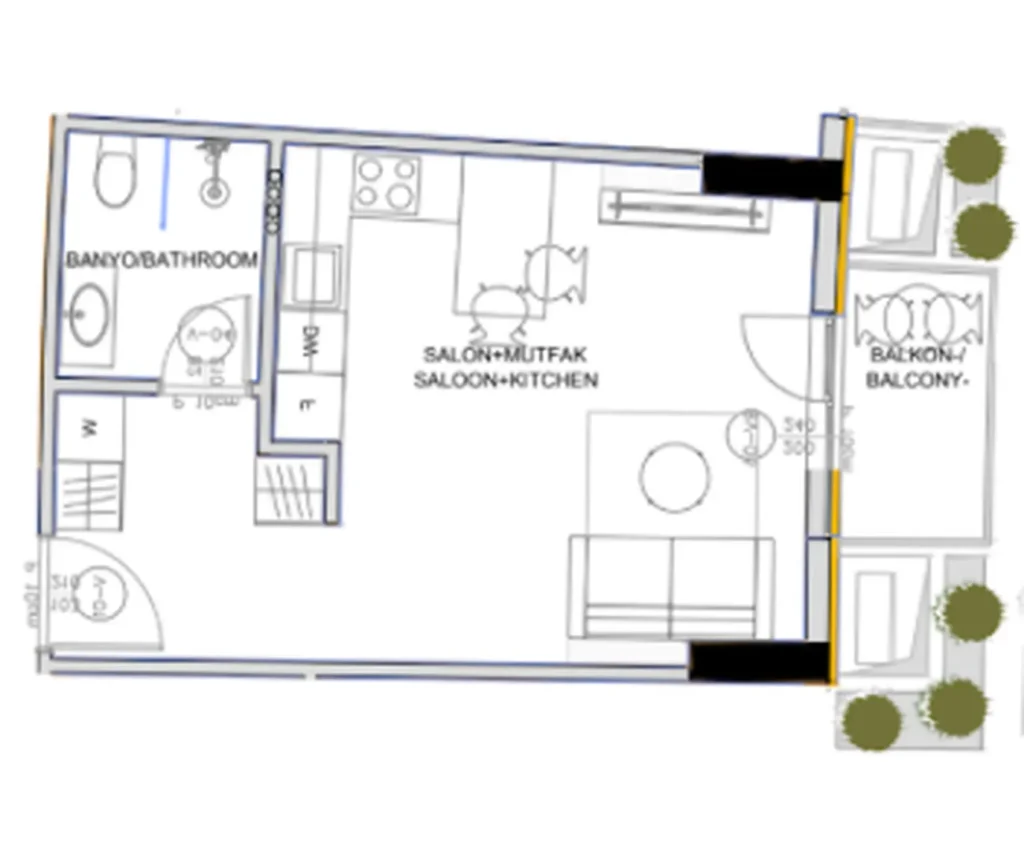
How to Prepare Before Buying
- Confirm whether the transaction is a first sale or resale. This determines whether transfer tax or VAT applies — the two are not interchangeable, and the answer affects both the cost calculation and the filing responsibility.
- Request written confirmation of VAT treatment. If purchasing from a developer, get written confirmation in advance of whether the advertised price includes VAT, and if so, at what rate. Do not rely on verbal assurances.
- Calculate transfer tax by progressive brackets. For resale transactions, apply the three-band structure to the property value. Do not apply a single flat 3% to the full price if the property exceeds €150,000.
- Obtain the relevant municipal tax information. Contact the municipality or engage a local professional to understand the annual property tax rate and assessed value methodology for the specific location. Rates and coefficients vary.
- Verify the property’s current tax and enforcement status. Request the seller’s latest annual property-tax decision, evidence that the assessed instalments have been paid and a current municipal account statement showing any outstanding balance. The lawyer should also obtain an up-to-date cadastre extract and check for registered mortgages, enforcement annotations, prohibitions or other encumbrances.
- Confirm permitted use and rental status. If you intend to rent the property, verify that it is legally permitted to be used for that purpose, and understand what registration and reporting obligations apply.
- Estimate annual ownership costs. Set out a realistic annual budget covering property tax, building maintenance or HOA charges, utilities and any management fees. This is the real carrying cost of the investment.
- Review cross-border tax consequences. Consider how rental income, gains on sale and any inheritance would be treated in your country of tax residence, and whether any double taxation agreements apply. If you are considering financing the purchase locally, our guide on mortgage in Montenegro for foreigners covers the main lending conditions and associated costs.
- Retain all contracts, invoices and payment evidence. From the moment of purchase, build a file that includes the notarised contract, transfer tax receipts, improvement invoices, utility setup costs and any correspondence with the tax authority. This documentation is essential for calculating future capital gains tax accurately.
Before signing, request a written cost sheet separating the purchase price, taxes, professional fees, registration costs and recurring ownership expenses.
Figures to Confirm Before Signing
| Figure or status | Who should confirm it | When |
|---|---|---|
| Agreed purchase price | Seller and buyer | Before reservation |
| First taxable transfer or resale status | Developer, lawyer or accountant | Before reservation or contract |
| VAT status and whether VAT is included | Developer, accountant or lawyer | Before reservation or contract |
| Transfer tax estimate | Lawyer or tax adviser | Before signing |
| Annual assessed value | Municipality and seller | During due diligence |
| Current annual property tax | Municipality and seller | During due diligence |
| Outstanding municipal liabilities | Municipality and lawyer | Before completion |
| Notary quotation | Selected notary | Before notarisation |
| Lawyer’s fee and scope | Independent lawyer | Before due diligence begins |
| Interpreter’s fee | Interpreter or notary | Before notarisation |
| Cadastre charges | Lawyer, notary or cadastre authority | Before completion |
| Agency commission and paying party | Agency and contract parties | Before making an offer |
| International bank costs | Sending and receiving banks | Before transferring funds |
| Building maintenance or HOA | Building manager or seller | During due diligence |
| Rental registration costs | Municipality or tourism authority | Before letting |
| Rental-income reporting method | Accountant or tax adviser | Before letting |
| Capital-gains documentation | Tax adviser | From the purchase date onward |
Common Tax Mistakes
| Common mistake | Possible consequence | How to avoid it |
|---|---|---|
| Applying 3% to every purchase | Underestimating acquisition costs | Use the progressive transfer tax brackets |
| Assuming VAT is always added separately | Incorrect purchase budget | Confirm the VAT treatment in the contract |
| Using the purchase price as the annual tax base | Unrealistic ownership cost estimates | Check the municipal assessment |
| Discarding invoices | Harder to substantiate the tax basis on resale | Keep contracts and supporting documents |
| Missing filing or payment deadlines | Penalties or interest may apply | Confirm the applicable deadlines before completion |
- Applying 3% to every resale property. The 3% rate applies only to values up to €150,000. Properties above that threshold are taxed at higher marginal rates on the excess, using the progressive bracket structure. Using a flat 3% on a €400,000 property leads to a significant underestimate.
- Assuming every new-looking property qualifies as a VAT-paid first transfer. The qualifying conditions for VAT treatment relate to the legal character of the transaction, not the age of the building. A property in a recently completed development sold by a party other than the original transferor will generally fall outside the first-transfer VAT treatment and attract transfer tax instead.
- Assuming VAT must always be added to the developer’s advertised price. Many developers price their properties on a VAT-inclusive basis. Adding VAT on top of a price that already includes it leads to a substantial overestimate. Confirm the VAT treatment in writing before signing.
- Using the purchase price as the guaranteed annual tax base. The municipal authority uses its own assessed value, not the contract price. The assessed figure may be higher or lower than what was paid, and it can change when municipal valuations are updated.
- Ignoring municipal differences. The annual property tax is administered locally, and the applied rate, assessment method and payment procedures vary between municipalities. A rate or process that applies in Kotor may not apply in Budva or Tivat.
- Treating rental income as tax-free because the owner lives abroad. Montenegro taxes rental income at source — that is, income derived from a Montenegrin property is taxable in Montenegro regardless of where the owner is resident. Non-resident status is not an exemption.
- Failing to keep improvement invoices. Documented costs of major works may be relevant to establishing the taxable gain when the property is sold. Owners should retain these records and confirm with a tax adviser which amounts are recognised under current rules.
- Confusing taxes with notary, legal and agency fees. Transfer tax is a government charge. Notary fees, legal review costs and agency commissions are separate professional fees. They are all real costs, but they belong in different categories of any budget calculation.
- Waiting indefinitely for a paper tax notice. The annual property tax is a legal obligation whether or not the municipality’s notice reaches the owner. Overseas owners in particular should proactively verify that payments are being made correctly and that contact details are current.
- Relying on old online guides. Montenegro’s transfer tax structure changed from a flat rate to a progressive system. Guides that state a flat 3% for all properties are outdated. Always verify rates and rules against current official sources before finalising a budget.
This article is intended for informational purposes only and does not constitute legal, tax or financial advice. Tax laws, rates and administrative procedures can change, and individual circumstances vary. Always verify current rules with a qualified professional and the relevant Montenegrin authorities before making any transaction or filing any return.
Planning Your Property Budget
Montenegro’s property tax framework is structured around four stages: acquisition, ownership, rental and eventual sale. Each stage carries its own obligations, calculated on its own base and administered by different authorities. Getting a clear picture of all four — before committing to a purchase — is the foundation of any sound property budget.
The most significant planning difference lies between resale property and a qualifying new-build first transfer. A resale transaction attracts transfer tax under the progressive bracket system, while the first taxable transfer of newly constructed property typically involves VAT that is already embedded in the price. Treating these as equivalent leads to either underestimating or overestimating the purchase-stage cost.
The annual property tax adds a recurring dimension to ownership that is often underweighted in initial calculations. Because it is set at the municipal level on an assessed value that may differ from the contract price, it deserves a specific enquiry — not a general estimate drawn from the purchase figure.
Before signing any contract, request a written breakdown that separates the purchase price, applicable taxes, professional fees, registration costs and projected annual ownership expenses. This one step prevents most of the budgeting errors that foreign buyers encounter after completion.
The Residence works with buyers at every stage of the purchase process in Montenegro — from shortlisting properties by location and type to coordinating the due diligence and transaction steps. If you would like to discuss how the tax and cost framework applies to a specific property or budget, the team is available to assist.
 Real estate in Georgia
 Real estate in Cyprus
 Real estate in the UAE
 Real estate in Bali
 Real estate in Thailand
 Real estate in Spain
 Real estate in Saudi Arabia
 Real estate in Turkey
 Real estate in Zanzibar
 +382 60 099359
 hello@residence-estate.me
 The Old Bakery Residences, Budva 85310, Montenegro



 Get catalogue of TOP-7 objects