
 +382 60 099359


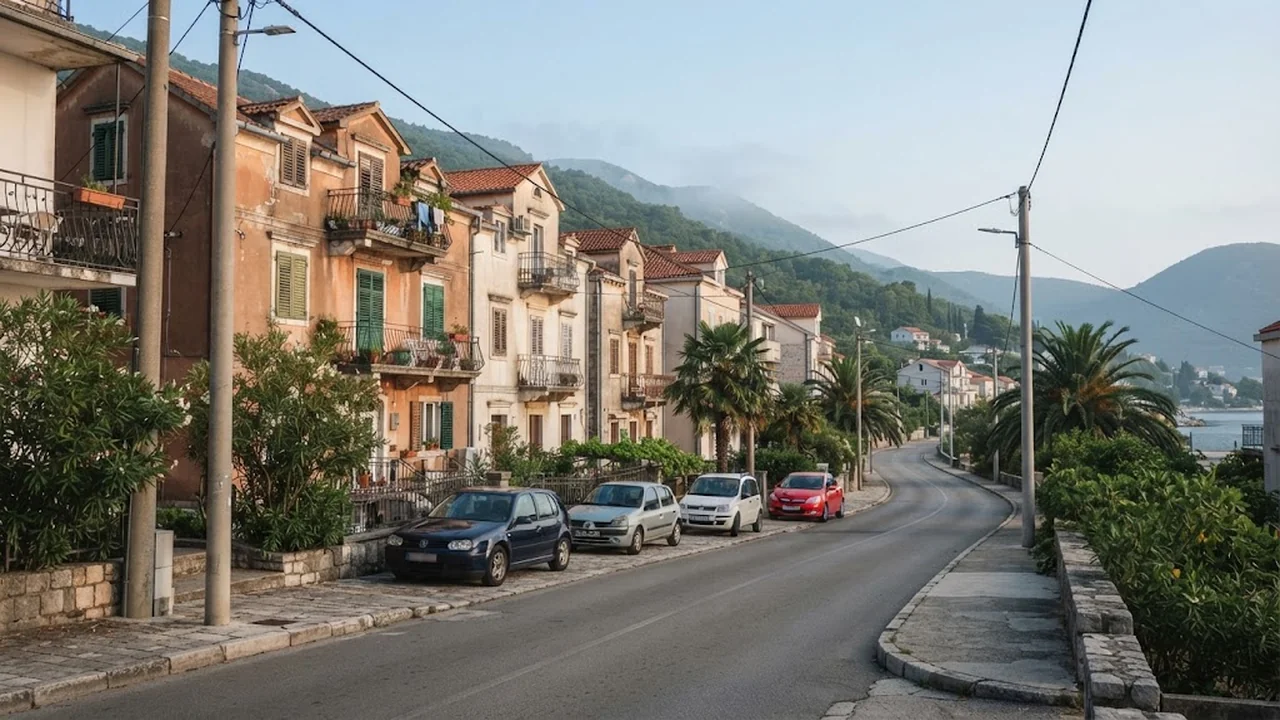
Montenegro has started drafting its first Law on apartment rental, a bill that does not yet exist. The Ministry of Spatial Planning, Urbanism and State Property closed its public consultation on 14 October 2026 and published the report on 16 October. No rules on deposits, rent increases or notice periods have been decided, and nothing changes for current leases. Information is current as of 23 October 2026.
Status: pre-draft stage, not adopted. There is no bill text, no adoption date and no application date. Ideas listed below come from an association, citizens and an agent who took part in the consultation. They are not the position of the Government.
What has happened so far

The ministry published an initial public call on 29 September 2026 for a future Law on apartment rental (Zakon o zakupu stanova). Comments were accepted for 15 days, until 14 October. The consultation report appeared on gov.me on 16 October 2026. A working group is to prepare the draft. On 15 October the ministry announced that its call for a non-governmental organisation representative in that group received no candidates.
The work is linked to the Housing Policy Strategy to 2034. The ministry has said it will study the experience of other countries and the likely impact of the law before deciding on the content.
Current rules and what may change
| Question | Now | After the law (if adopted) |
|---|---|---|
| Legal basis for long-term residential leases | Mainly the general Law on Obligations | A dedicated rental law is being prepared; its content is not decided |
| Cap on rent increases | None because of this process | Not decided |
| Deposit rules | None because of this process | Not decided |
| Notice periods | No change | Not decided |
| Adoption or application date | None | The ministry says it is too early to name one |
Proposals received in the consultation
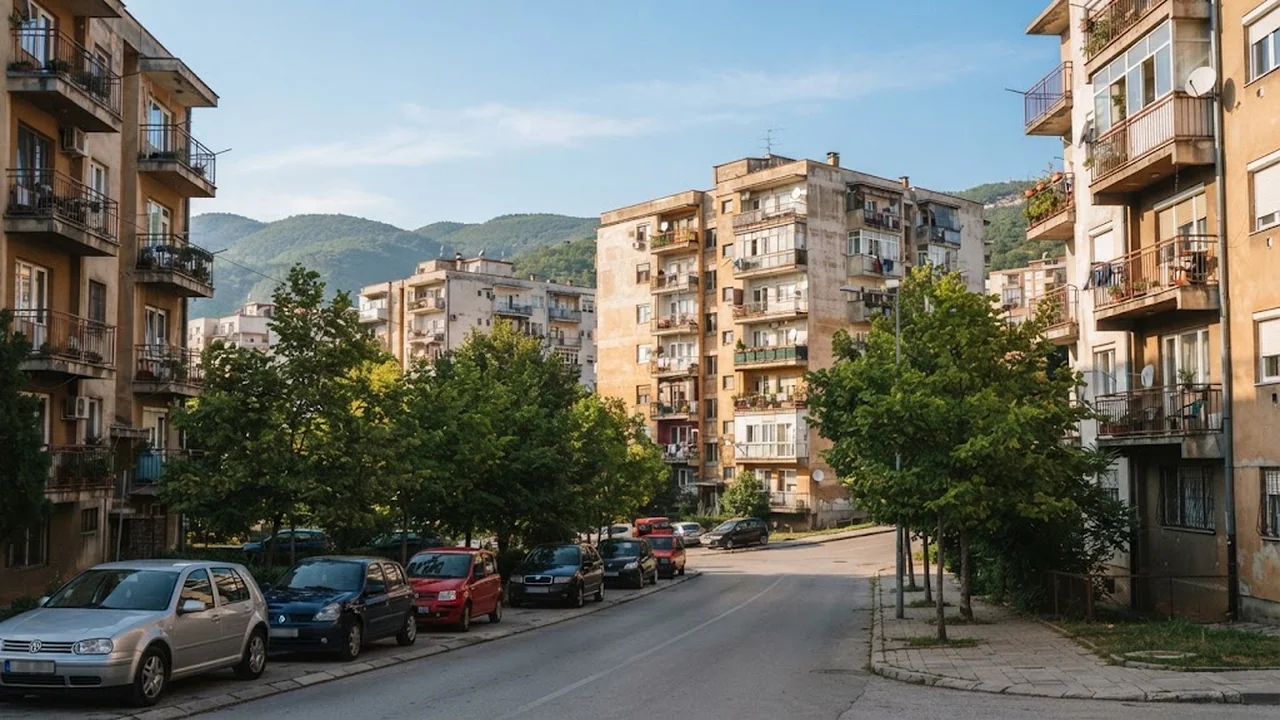
The report lists suggestions from several participants. They are ideas for the working group to consider.
| Who proposed | Main ideas |
|---|---|
| Tenant association Moj Dom (23 points) | Mandatory written or electronic lease; electronic register of leases; separation of long-term and tourist leasing; protection against arbitrary eviction, including lock changes and utility cut-offs; minimum notice periods; advance notice of rent increases without a price freeze; a statutory cap on the deposit and rules for its return; a split of maintenance costs; reporting of contracts to the tax system; rent subsidies and public affordable rental |
| A private citizen | Limit annual rent growth to 5% |
| A private proposer on short-term rental | Rules for short stays in residential buildings: 1 to 30 nights as short-term, 31 to 89 nights as a lease only with a written contract and stated purpose, 90 nights or more presumed to be a lease; consent of two thirds of co-owners and adjacent owners; a higher maintenance fee per square metre |
| A real estate agent | Mandatory written form with minimum contents; a payment reminder 8 days before termination; a deposit different from the last month’s rent; settlement of the deposit and return of the undisputed part within 15 days; a handover protocol with photos; an agency fee on extensions only if the contract provides for it; a separate management fee |
Each of these is a proposal only. The 5% cap, the 8-day reminder and the 15-day deposit return are not current rules.
Timeline
| Date | Event |
|---|---|
| 29 September 2026 | Initial public call published on the ministry site and the e-uprava portal |
| 14 October 2026 | Deadline for comments (15 days) |
| 15 October 2026 | Notice that no NGO candidates applied for the working group |
| 16 October 2026 | Consultation report published on gov.me |
| 2027 | Draft law planned, followed by public debate and the legislative procedure, according to a media report quoting the ministry. The gov.me report does not state this. |
Who is affected
- Landlords, including foreign owners letting flats long term: may face new requirements on contracts, deposits and notice in future.
- Tenants, including expatriates: current protection comes from the Law on Obligations; nothing is added yet.
- Agencies and building managers: several proposals concern fees and handover procedures.
- Short-term and tourist rentals: discussed in two proposals; whether the law will cover them is not decided.
What to watch next
- The composition of the working group and its timetable, which were not found in the sources reviewed.
- Publication of a draft law (nacrt) on the ministry page and the e-uprava portal, which would open a new public debate.
- Whether the draft addresses the points raised in the report, in particular written leases, deposits, notice and short-term letting.
- Any statement on how the law would apply to leases signed before it takes effect. None exists at this stage.
Reports that the law will apply from Montenegro’s accession to the European Union could not be verified and are not used here.
Frequently asked questions
Is there a rental law in force now?
There is no dedicated law. Long-term residential leases are governed mainly by the general Law on Obligations.
Is rent capped at 5% a year?
No. A 5% limit was suggested by one citizen. It is not a government proposal or a rule.
When will the law apply?
No date is set. The ministry says it is too early to say.
Do existing leases change?
No. The process has not changed any current contract or obligation.
Who is writing the draft?
A working group of the ministry. Its membership and deadline were not found in the sources reviewed.
Official sources
- Report on the public consultation, gov.me, 16 October 2026
- Report document (docx), gov.me
- Notice on the NGO call for the working group, gov.me, 15 October 2026
- Ministry of Spatial Planning, Urbanism and State Property, gov.me
Checked on 23 October 2026. This article is general information, not legal or tax advice. Rules may change; confirm the current position with the competent authority and a lawyer before signing or changing a lease.
 Real estate in Georgia
 Real estate in Cyprus
 Real estate in the UAE
 Real estate in Bali
 Real estate in Thailand
 Real estate in Spain
 Real estate in Saudi Arabia
 Real estate in Turkey
 Real estate in Zanzibar
 +382 60 099359
 hello@residence-estate.me
 The Old Bakery Residences, Budva 85310, Montenegro



 Get catalogue of TOP-7 objects